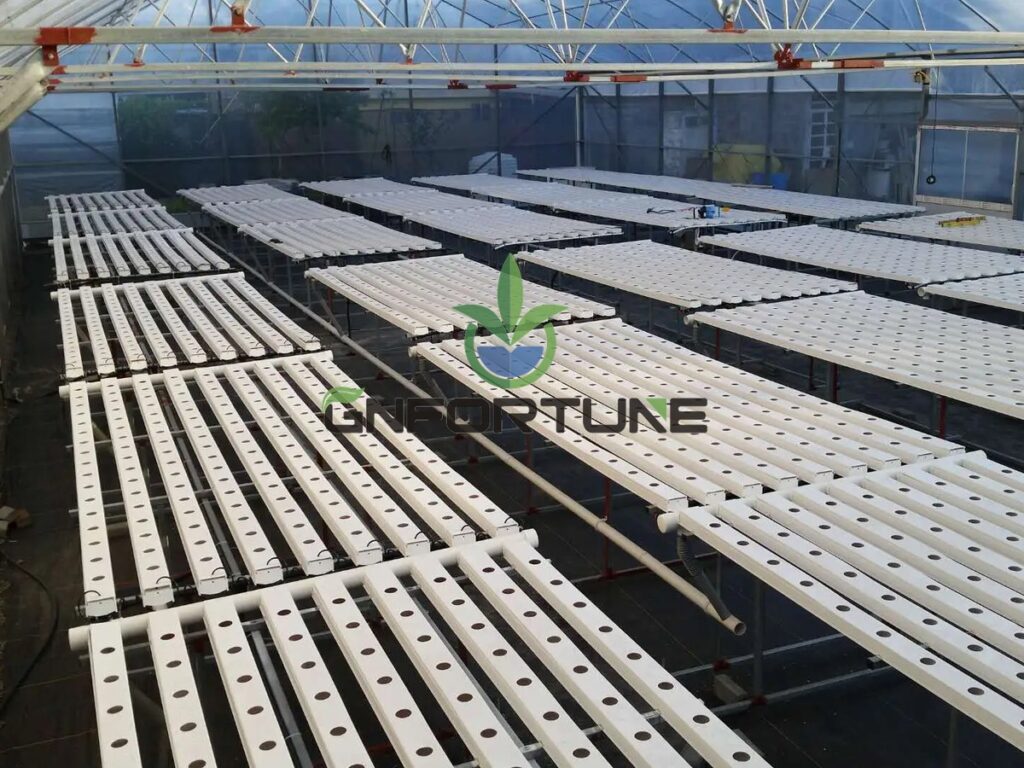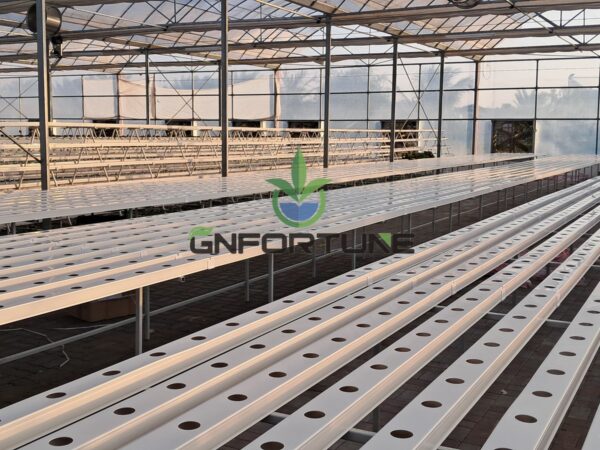
Crop turnaround hydroponics planning usually begins the morning the old crop comes out, which is roughly the worst time to start it. Between the last harvest and the first plant of the next cycle sits a window of strip-out, cleaning, disinfection, repair, refill and replanting, and it runs to days rather than hours. Schedules built on cycle length alone leave the window out, so the annual plan promises more crop than the house can deliver. This piece covers what the window contains, how long it runs, and where the days can be taken back.
Cleaning chemistry stays with the dedicated cleaning guide; the concern here is the calendar.
Crop Turnaround Hydroponics: The Seven Stages in the Window
The window runs from the last plant leaving the block to the first plant of the next cycle going in. Most farms plan for the between-crop cleaning and meet the other six stages on the day.
| Stage | Covers | Planning range | Who |
|---|---|---|---|
| Strip-out | Cut, lift and remove plants, debris and twine | 0.5–1 day | Harvest crew |
| Drain-down | Empty the system, dispose of spent solution | 0.5–1 day | Technicians |
| Media removal | Lift spent substrate, root mats, plugs | 0.5–2 days | Crew; biggest variable |
| Wash and disinfection | Detergent, sanitiser, contact time, rinse | 1–2 days | Cleaning crew |
| Inspection and repair | Emitters, valves, sensors, seals, lids | 0.5–2 days | Maintenance |
| Refill and re-equilibrate | Fresh solution, EC and pH to target | 0.5–1 day | Grower |
| Replant | Transplants or direct seeding | 0.5–1 day | Planting crew |
Propagation runs in parallel, and is usually the longest item in calendar terms — two to four weeks for plugs depending on crop and season. It only delays the window if nobody started it.
As totals: plan two to five days of block downtime for an NFT leafy block with an experienced crew, and four to eight days for substrate gutters or slabs where media is removed and replaced. Both assume a dedicated crew and no structural repair.
Who Does the Work, and When They Are Available
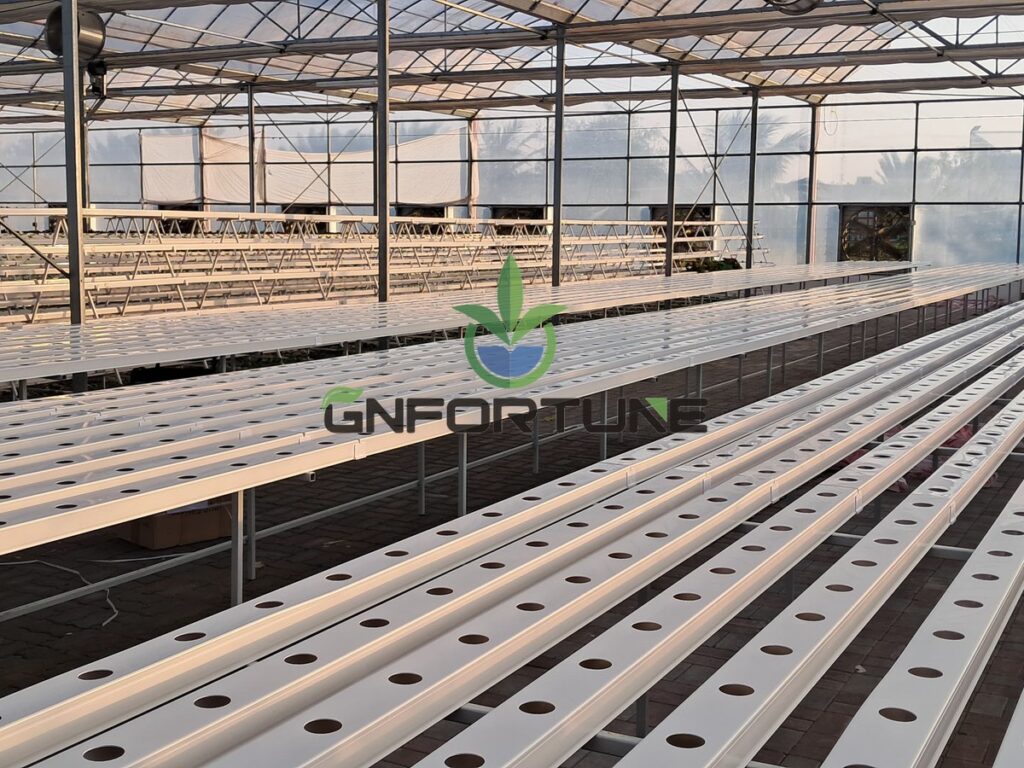
Usually the same people who just finished harvesting and who are needed to plant the next block, which is the main reason the window slips. Turnaround labour planning loses out to the blocks still in production.
- Crew size: six to ten people per hectare of block is a common planning figure for strip-out and cleaning; confirm it against your own rates.
- Timing: the work lands right after a harvest peak, with the packing line still busy.
- Skills: chemical handling needs trained staff with PPE and records; pump and electrical work needs isolation.
- Contractors: worth considering where turnarounds are rare, though they still need a supervisor who knows the system.
Where the block is one of several, the question is whether the house can spare the people without letting producing blocks slip. Rates sit under crop work standards, and the chemical side under chemical safety.
The Output Gap Nobody Puts in the Plan
Every turnaround day is a day that block produces nothing, and the loss shows up weeks later as a gap in the harvest rather than on the cleaning day. Annual output is calculated on calendar days, and turnaround days sit in the denominator.
- Lost bay-days: eight cycles a year at five turnaround days each gives up roughly forty bay-days, close to a full cycle of output on a 35–45 day leafy crop.
- Perpetual is a farm-level claim: the site can be continuous while every bay still carries dead days.
- The metric hides it: yield per square metre counts over calendar time, not growing days.
The second effect arrives a cycle later: a late replant is a late harvest, and a standing order has to be covered from somewhere else.
Where Turnaround Collides With Offtake Commitments
Fixed weekly volumes do not pause for cleaning week. On a single-block farm that conflict is unavoidable; where blocks are staggered it is manageable, but only if the dip was planned.
- Stagger the calendar so only one block is down, and place turnarounds against the buyer’s quiet weeks.
- Hold finished stock where shelf life allows; for leafy lines that covers days, not weeks.
- Write the dip into the contract where the programme has seasonal flexibility, as set out in the offtake agreements guide.
Propagation has to be timed the same way. If plugs are not ready when planting restarts, the window extends silently, so transplant timing belongs in the propagation schedule.
Compressing the Window Without Cutting the Cleaning
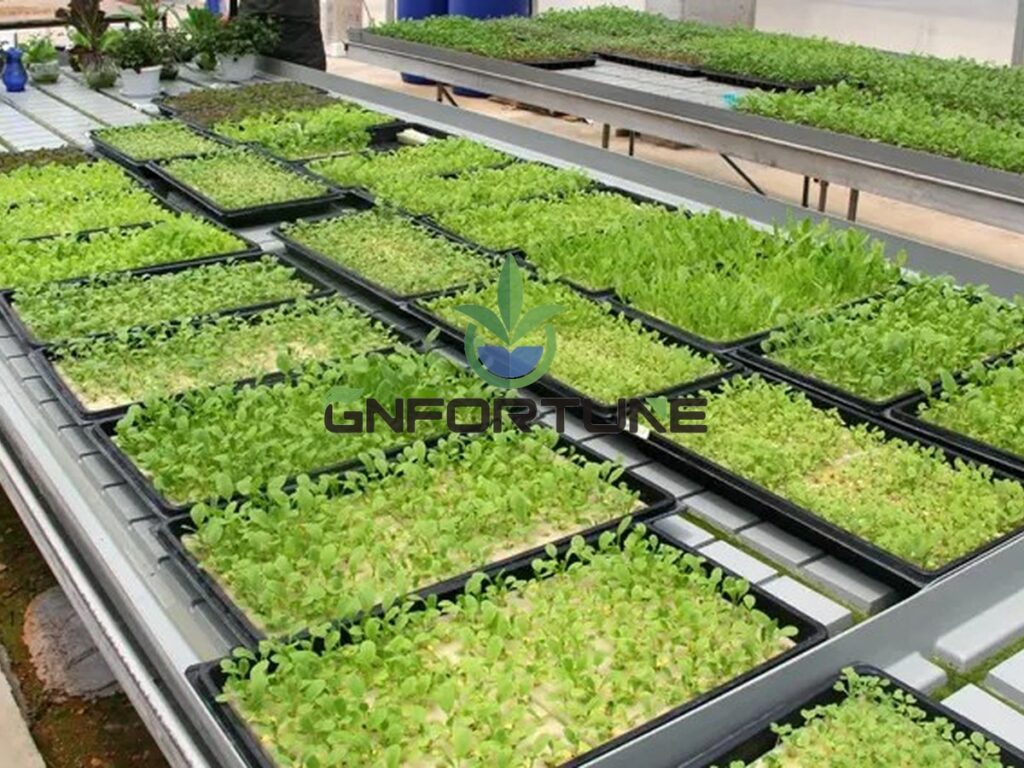
Compression comes from preparing before the crop comes out and running stages in parallel. It does not come from shortening contact time, skipping the dry-out, or planting into a system that has not been re-equilibrated.
- Pre-stage everything: media, plugs, chemicals, spares and booked labour, before strip-out day.
- Build the repair backlog during the previous cycle so inspection confirms a list rather than discovering one.
- Run crews in sequence: maintenance follows cleaning into finished areas while propagation runs throughout.
- Design for it: drains that actually drain, quick-release fittings, accessible valves, trays that lift out.
- Swap rather than clean in place: a second set of channels or gutters pays where crop value per day is high.
Where a structural repair turns up, take the days. A block that comes back late is cheaper than one replanted into a problem.
Putting the Window Into the Annual Calendar
Schedule turnaround as a standing item with the same status as a planting week, and hold the farm to it the way it holds harvest dates.
- Mark turnaround weeks on the crop changeover schedule before the year starts.
- Avoid peak-demand weeks and holidays, when crew availability is worst.
- Record planned against actual days after every turnaround and revise the band.
Sites that do this stop losing the days twice: once in the plan and once in the explanation. The calendar logic sits under crop scheduling, and the spares that keep a repair inside the window under the annual maintenance plan.
What to Confirm When Buying a System
Turnaround speed is a design property, so ask about it during procurement.
- Drainability: where every zone drains, and how long a full drain takes.
- Whether channels, gutters or trays lift out, and what a spare set costs.
- Access to valves, filters and emitters for inspection between cycles.
G AND N FORTUNE LIMITED supplies NFT channels, substrate gutters and DWC systems with layout drawings, and quotes spare gutter sets alongside the main package.
FAQs About Crop Turnaround Between Cycles
How many days should we budget for a crop turnaround?
Two to five days for an NFT leafy block, and four to eight for substrate systems where media is removed and replaced. Both assume a dedicated crew and no structural repair; measure your own and revise.
Can we plant the same day cleaning finishes?
Only after the sanitiser has been rinsed and the system refilled and brought back to target EC and pH. Planting into a freshly dosed tank is a common cause of poor establishment in the next cycle.
Should turnaround be done in-house or by a contractor?
In-house where turnarounds are frequent and the crew knows the system; a contractor where they are rare. Either way the block needs one accountable supervisor.
How do we keep weekly volume steady during turnaround?
Stagger blocks so only one is down, hold a short buffer of finished stock where shelf life allows, and agree seasonal dips in the contract before signing rather than after.
Is a greenhouse fallow period necessary between crops?
It depends on the block’s pest and disease history and on local discharge rules. Where a crop has carried root disease, a dry fallow is part of the plan rather than wasted time.
Related Reading
- Cleaning and Sanitizing a Hydroponic System Between Cycles — The cleaning procedure itself, which this window has to contain
- Hydroponic Sanitisers Compared: Peracetic Acid, Hydrogen Peroxide and Chlorine Dioxide — Peracetic acid, hydrogen peroxide and chlorine dioxide compared
- Crop Scheduling for Continuous Production: Building a Planting Calendar That Holds — Building a calendar that leaves room for the turnaround
- Crop Work Standards for Hydroponic Farms: Rates, Quality Criteria and Crew Training — Work rates and crew planning for a concentrated turnaround
- Hydroponic Farm KPIs: Yield per m², Labour Hours and the Numbers That Run a Business — What a lost week does to annual yield per square metre
Next Step: What to Send for a Quotation
Crop turnaround hydroponics belongs in the annual calendar, and the hardware that shortens the window belongs in the original enquiry rather than in a retrofit.
Planning a new block or a retrofit? For RFQ or project consultation, send: greenhouse dimensions and usable growing area; crop plan with cycle length and turns per year; system type (NFT channels, substrate gutters, slabs or DWC) and medium; number of blocks and whether turnarounds are staggered; planned turnaround days per cycle; crew available for turnaround; local climate range and raw water analysis; discharge rules for spent solution and media; automation level; delivery schedule; and the budget band. G AND N FORTUNE LIMITED supplies NFT channels, substrate gutters, DWC systems and matched greenhouse packages, with spare gutter sets quoted to those parameters.