A screen that saves energy on paper and leaks heat on site is usually a hardware problem, not a fabric problem. The drive has to move the full width of the bay every night for years, the closed screen has to seal at the sides and ends, and somebody has to reach the motor when it stops in January. A thermal screen drive system is often specified late in a project, and then decides whether the energy model holds. This article covers drive types, travel and limits, the sealing details that leak, fabric tension, the annual service list, and what to do when a drive fails overnight.
The energy side — how much a screen saves and how it changes night temperature — is covered in the thermal screens guide. What follows is the hardware.
What a Thermal Screen Drive System Has to Do
Three jobs: move the full screen width repeatedly, hold position against gravity and wind load, and stop in the same place at both ends of the travel. Every specification decision follows from those three.
The duty looks light until you count it. A heated house runs the screen closed at dusk and open at dawn, plus partial positions for humidity control, so the drive accumulates several hundred cycles a season — thousands over a ten-year structure. Motor, gearbox and couplings are rated against that cycle count, not against day-one torque.
The load is also not just the dry fabric. Wet fabric is heavier, and in cold regions snow sliding onto a screen adds load the drive was never asked to carry. Confirm the rated load has margin over the wet weight of the specified fabric.
Tube Motor and Roller, or Rack and Pinion
Tube motors suit rolling screens in shorter bays; rack and pinion suits long bays, heavy fabrics and multi-layer installations. Bay length, fabric weight and how the screen is guided decide it, not preference.
| Factor | Tube motor with roller | Rack and pinion (push-pull) |
|---|---|---|
| Typical fit | Short to medium bays | Long bays, heavy or layered fabric |
| Load handling | Torque-limited at long travel | Pushes the bar along the bay |
| Alignment sensitivity | Low, if the tube is level | Higher; racks must stay parallel |
| Service access | Motor at one end, in the roof space | Motor plus racks along the bay |
| Common failure | Brake or gearbox wear | Rack wear, coupling shear |
Whichever route is chosen, three items should be non-negotiable: a holding brake that works without power, a manual override one person can operate with a crank or drill, and written duty and ambient figures for the motor.
Access is the detail that gets missed on site. Motors at the gable end of a long bay are technically reachable and practically not, especially at night. Power and control cabling there also needs the treatment set out for wet greenhouse electrical areas.
Travel, Limit Switches and Position Feedback
Set the mechanical travel first, then the electronic limits. A screen whose position depends only on motor revolutions drifts, and the drift appears as a gap that never quite closes.
Limit switches do two jobs. End limits stop the drive before the bar reaches the structure; intermediate positions hold the partial openings used for dehumidification and staged morning opening. Both must be repeatable — a limit that returns to a slightly different place each night makes the controller’s setpoints meaningless.
Fabric stretches after installation, so limits set at commissioning will be wrong by the end of the first heating season. Plan a re-check after the first month and again before the second season, and record the settings. Where the climate computer reads screen position, confirm it reads from a feedback device rather than assuming a commanded position was reached.
Where the Heat Actually Leaks
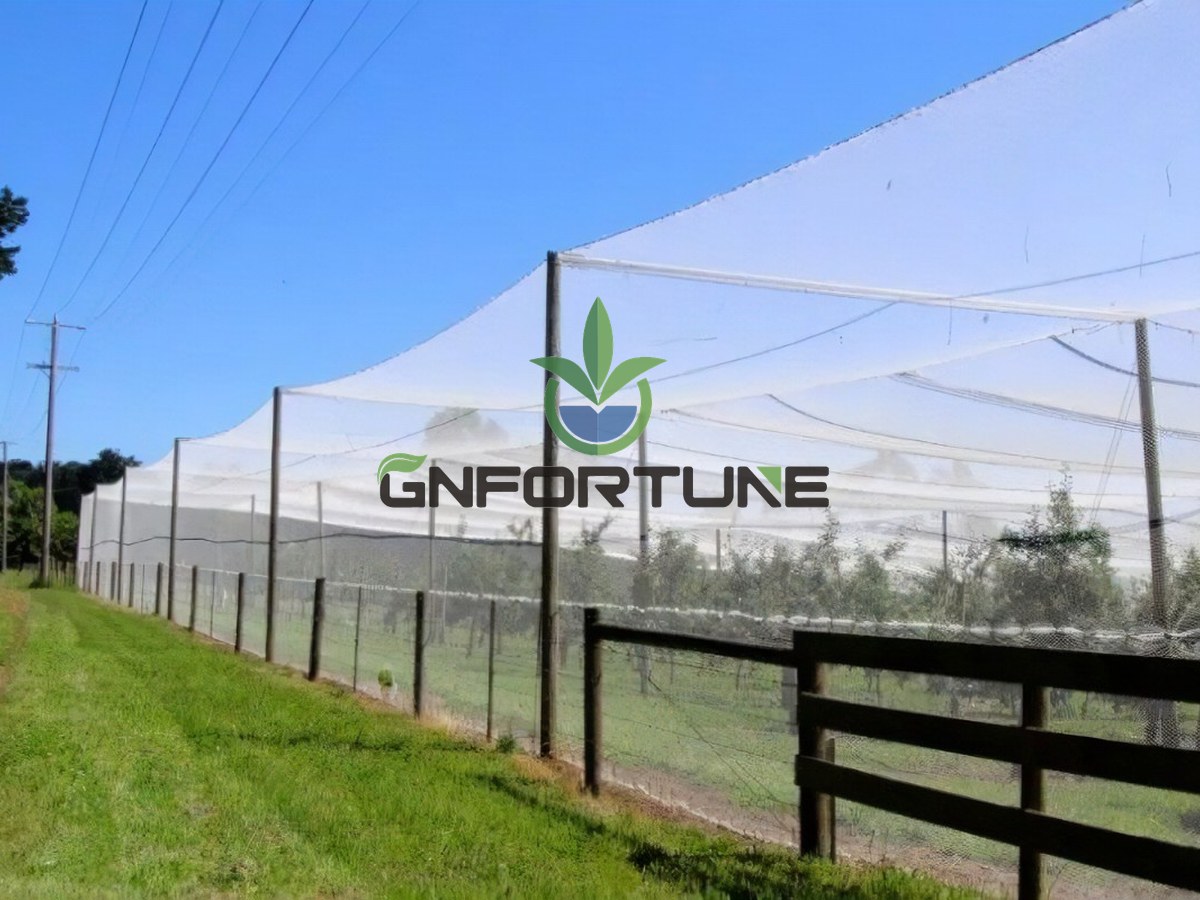
Most of the loss through a closed screen is at the edges rather than through the fabric: the side gaps along the gutter, the end walls, and every penetration for columns, pipes and cables.
A planning figure of 1–3% residual unsealed area is commonly used where side and end closures are specified; houses with many penetrations run higher. The only way to know is to walk the closed screen with a light on the far side, so treat the range as a design target to verify on your own structure.
The leak points worth detailing before the screen is ordered:
- Side sealing along the gutter — brush, profile or zipper closure; a plain fabric edge against a purlin is not a seal.
- End walls — the screen runs into a closure profile or leaves a triangular gap that grows with roof slope.
- Column and purlin penetrations — every member crossing the screen plane needs a detail; these are missed most often.
- Pipe, duct and cable penetrations — usually added after the screen is designed.
- The drive bar itself — the leading edge needs a closure, or the last strip of the bay stays open.
Sealing and energy behaviour interact: a screen that closes tightly may still need a controlled gap for humidity release. That belongs to the control strategy, not the hardware.
Screen Fabric Tension, Creases and Tracking
Uneven tension produces creases that become permanent, and a screen that tracks crooked will not seal at the ends. Both are installation faults rather than product faults.
The sequence is to align the roller or drive bar first, set the fabric square to the bay, then tension gradually and evenly across the width. Guide wires and profiles should be checked for straightness before the fabric goes in. Creases are not cosmetic: they hold condensate, wear at the fold, and stop the fabric lying flat against its sealing profile.
Re-tensioning after the first season is normal. Fabric relaxes under weight and thermal cycling, and a loose screen leaks more at the edges.
Annual Service Points and Wear Parts
Service once a year, before the heating season, and stock the parts that stop the screen completely rather than the parts that are cheap.
The service pass should cover: brake function under load, limit switch operation at both ends, tube bearings and couplings, rack and pinion wear and lubrication, cable condition, fabric seams and edges, weight bar straightness, manual override operation, and the control panel. Testing the manual override is the step most often skipped, and the one that matters on the night the drive stops.
Wear parts worth holding are limit switches, a spare motor or gearbox on larger installations, couplings, bearings and fabric repair material. What to stock follows the downtime logic in the critical spare parts list: rank by delivery time, not price.
When a Drive Fails on a Cold Night
Get the screen either fully closed or fully open, then diagnose. A screen left half open on a cold night is worse than either state, because it creates cold spots across the crop and traps humid air against cold fabric.
Every site needs a written procedure: who is called, where the override is kept, what tooling is needed, and how long the operation takes. A drive that cannot be moved by hand quickly turns a component failure into a crop loss event.
Afterwards, record the failure mode and the cycle count if the controller keeps one. Repeat failures at the same point usually mean alignment or an undersized motor, not a bad batch of parts.
Specifying Screen Hardware in a Purchase Order
Specify bay dimensions, fabric type and weight, drive type, motor duty rating, manual override, limit arrangement, sealing detail at each edge, and the spares package — otherwise two suppliers will quote two different screens.
- Bay length and width, screen travel, number of bays per motor.
- Fabric specification with dry and wet weight per square metre.
- Motor torque, duty cycle, ambient range, brake type, override method.
- Limit switch type, intermediate positions and feedback signal.
- Sealing detail at sides, ends, drive bar and every penetration.
- Commissioning scope, including re-tensioning after the first season.
- Spares list and response terms for a failure in heating season.
The hardware is what turns the energy case into a number on the bill. A thermal screen drive system that is sized correctly, sealed at the detail level and serviced once a year will hold its performance far longer than one that is bought on motor price alone.
FAQs About Thermal Screen Hardware
Which drive type lasts longer?
Neither in absolute terms. Tube motors have fewer moving parts but are torque-limited on long travel; rack and pinion handles longer bays but depends on alignment. Service access matters more than the type.
How much gap is acceptable around a closed screen?
Treat 1–3% residual unsealed area as a design target for a well-detailed installation, and verify it on site. The gaps that matter most are usually the small ones nobody detailed.
Do we need manual override on every motor?
Yes, on anything covering a crop that cannot take a cold night. The override is the difference between a maintenance call and an emergency, and it should be tested at commissioning.
How often should the screen be re-tensioned?
Check at the end of the first month and before the second heating season, then annually. Fabric relaxes under weight and thermal cycling, and a loose screen leaks at the edges.
Can screen hardware be retrofitted to an existing house?
Usually yes, if the structure carries the added load and the penetrations are detailed. Confirm column and purlin capacity before ordering fabric.
Related Reading
- Thermal Screens: Night Heat Retention and Energy Saving — The energy case that the drive hardware has to deliver
- Greenhouse Structural Design: Wind, Snow and Foundation Loads — What the structure must carry before screen hardware is added
- Greenhouse Storm, Heatwave and Cold Snap Preparation — Planning for the nights when a drive failure costs money
- Spare Parts Inventory: Annual Maintenance Plan — The yearly service and stocking cycle around screen hardware
- Warranty, After-Sales and Spares Clauses to Negotiate — Contract terms that decide response time on a failed drive
Next Step: What to Send for a Quotation
Screen hardware is quoted per bay against dimensions and fabric weight, so the bay schedule comes first.
Planning a screen retrofit or a new build? For RFQ or project consultation, send: greenhouse dimensions with bay length, width and gutter height; number of bays; screen layer configuration and fabric specification if chosen; existing structure type and confirmed load capacity; climate range and heating setpoints; power supply available at the gable; automation level requested; spares package required; delivery schedule; and the budget band. G AND N FORTUNE LIMITED supplies greenhouse screen hardware and matching structural packages quoted to those parameters.