Extreme weather is the risk that arrives with notice attached. Greenhouse storm preparation is mostly a scheduling problem: the jobs that protect a hydroponic house have to be finished before the forecast turns, not while it turns. A cladding panel working loose since spring, a perimeter drain silted up over summer, and a standby pump nobody has started since commissioning all become expensive on the same night.
What follows covers the three events that cost commercial farms the most — wind, heat and cold — in the order the work happens: pre-season, 48 hours out, during the event, and after.
What Extreme Weather Breaks First on a Hydroponic Farm
Wind attacks the envelope, heat attacks the crop, and cold attacks the schedule. Which one is forecast decides what goes on the checklist.
Wind damage looks structural, but the expensive part is secondary: a lifted panel lets water into a house where pumps and panels sit near the floor. Heat and cold rarely break the structure; they take saleable yield, and the loss surfaces at grading a week later.
Water entering from outside is its own category and causes more claims than wind does: uncleared perimeter drains, gutters sized for an average year and an untested sump turn a storm into a flood.
| Event | Fails first | Loss lands in | Lead time |
|---|---|---|---|
| High wind | Cladding, doors, vents, screens | Covering, water ingress, power | 24–48 h |
| Heatwave | Canopy and root-zone temperature | Weight, grade, shelf life | 3–7 days |
| Cold snap | Heating capacity, fuel, pipework | Growth, schedule, disease | 24–72 h |
| Heavy rain | Drains, channels, sump | Flooding, electrical damage | 12–48 h |
Pre-Season Checks: Structure, Cladding and Drainage
Run this once a year, before the season that threatens the site most, and keep the findings on file. Storm damage prevention is largely the absence of small defects that were already there when the weather arrived.
- Cladding: film tension, tears at fixing points, worn locking wire and clips, end-wall condition, spare tape in stock.
- Frame and base: anchor bolts, base rails, bracing, and corrosion where water sits against steel.
- Doors and vents: tracks, latches and wind locks. A vent that cannot be commanded closed is a vulnerability in moderate wind.
- Gutters and drainage: clear, sloped, and discharging away from the base of the structure.
- External screens: the rated wind limit confirmed with the supplier, and a named person for furling or removal.
Repair consumables are cheap next to a claim. On a single-skin film house with a permanent frame and no hail exposure, a planning range of 1–3% of clad area per year in repair materials is common; hail-prone sites should plan higher and price netting separately. Check that against your own records.
The 48-Hour Greenhouse Storm Preparation Checklist
A written checklist exists so whoever is on shift can run it at night without deciding anything under pressure.
- Harvest forward: anything close to specification comes off before the event, cooled and packed.
- Close and secure: vents commanded shut, doors latched and wind-locked, end walls checked, external screens furled above their rated wind speed.
- Clear the perimeter: crates, pallets, spare pipe and empty tanks that can move.
- Water and power: tanks at working volume, standby pump run to load, generator fuel and transfer checked.
- Open the drains: perimeter drains, floor channels and sump, discharge confirmed clear.
- Protect for the event: heat means shading and airflow, cold means fuel and screens.
- Freeze non-essential work: no transplanting, spraying or tank changeovers in the last 24 hours.
Two rules keep it honest: every item verifiable in under a minute, and judgements — whether to harvest, whether to remove screens — assigned to a named person with the threshold written down.
Heatwave Greenhouse Prep
Heat rarely kills a canopy outright. It costs weight, grade and shelf life, and the bill arrives at the packing line days later.
Shade has to go on before the event; applied after the crop is stressed it does little, and shade costs light, so set the rate against crop and season.
- Air path: check vents and fans are not blocked by shading, screens or stored material.
- Root zone: solution temperature sets dissolved oxygen, so deeper and shaded tanks buy hours.
- Water demand: plan for 20–40% above a mild week, assuming a full canopy and peak radiation.
- Harvest timing: cut earlier in the morning and shorten the interval to the cold store.
- Peak power: fans, pumps and cooling peak together, so confirm what the standby carries.
Expect delayed symptoms: tipburn, bolting and short shelf life typically appear five to ten days later, so advance that week’s harvests and settle the grade expectation in advance.
Cold Snap Crop Protection
Cold sets the schedule back and pushes quality down. It rarely destroys a whole house, and planning for the realistic outcome produces better decisions.
- Design point: get the outside temperature the heating was sized for, in writing, from the supplier.
- Fuel: check level and delivery lead time before the season, not during the cold week.
- Thermal screens: confirm they close fully and seal at the gable ends, where gaps leak most.
- Make-up water: cold raw water shocks roots, so top up earlier in the day.
- Exposed pipework and valves outside the insulated envelope need tracing or lagging.
- Irrigation timing: in unheated houses, cut night watering, because wet slabs lose heat faster.
Growth stays slow for days afterwards, so plan a lower planting rate rather than assuming the lost days come back.
After the Event: Inspection, Crop Decisions and Evidence
The order is safe, structure, services, crop, records. Repairing before photographing is the mistake that costs the most at claim time.
- Make the site safe: isolate power wherever water has entered.
- Photograph before repair, wide shots and details, with timestamps retained.
- List every damaged panel, fixing and frame member with quantities.
- Test pumps, panels, cabling and drains before restarting circulation.
- Check EC and pH zone by zone after any dilution, outage or emergency top-up.
- Assess the crop zone by zone and record the reason for each discard.
- Keep weather data, alarm and logger history, disposal weights and per-zone yield history.
- Notify the insurer inside the window stated in the policy; hold samples if asked.
Post-event disease is the missed follow-on cost. A crop that sat wet and cold, or lost circulation for hours, carries higher Botrytis and root risk for the following week, so those blocks belong on a watch list.
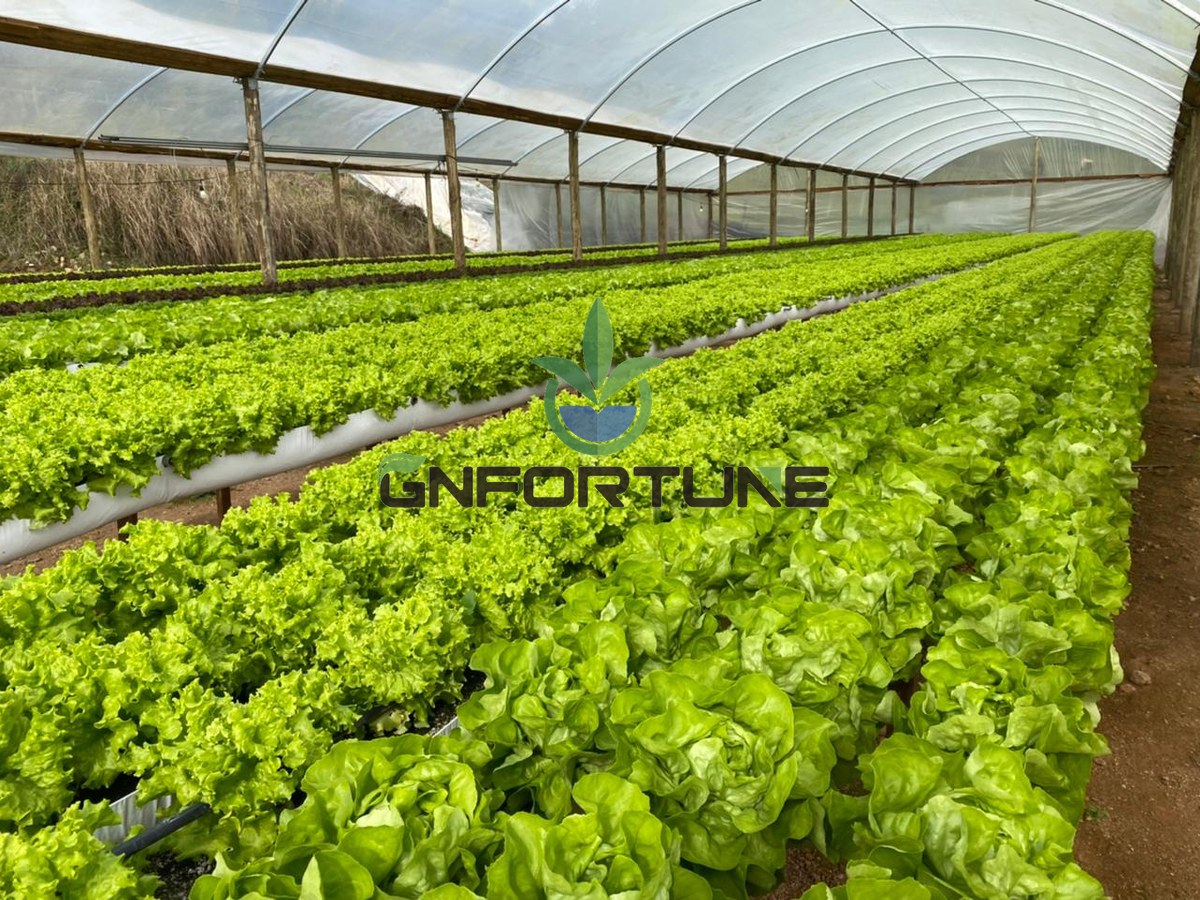
Insurers settle on contemporaneous evidence: dated photographs, the logger trace from that night, and a loss calculated from your own per-zone yield history.
FAQs About Extreme Weather Preparation
How far in advance should storm preparation start?
Structural and drainage work is annual, before the site’s worst season. The checklist starts about 48 hours out, and harvest-forward decisions need three to five days.
Should external shade screens come down before high wind?
Above the limit the supplier states, yes. Retracted screens still add load, and one left deployed past its rating is a common cause of damage on sound houses.
What is checked first after a power outage in a storm?
Circulation. Confirm pumps run and flow reaches each zone, then check EC and pH before feeding again, since an unmeasured tank does more harm than a few dark hours.
Does a heatwave change the harvest plan?
Yes. Expect smaller units, faster bolting and shorter shelf life five to ten days later, so advance harvests near specification and settle the grade expectation for that week in advance.
What evidence does an insurer usually want?
Photographs dated before any repair, the weather record, alarm and logger history, disposal weights, and a loss figure from your own per-zone yield history.
Related Reading
- Hydroponic Alarm Systems: Thresholds, Escalation and Avoiding Alarm Fatigue — alerts that reach the right person at night
- Critical Spare Parts for Hydroponic Farms: A Stock List Built on Downtime Risk — what to hold when suppliers cannot deliver
- Diagnosing Nutrient Deficiencies in Hydroponics: Symptoms, Causes and Fixes — symptoms that surface days after a heatwave
- Hydroponic System Commissioning: Installation Sequence, Testing and Site Acceptance — where standby pumps and changeover drills are proven
- Greenhouse Covering Materials: Glass vs Polycarbonate vs Film — wind and snow ratings to confirm at quotation stage
Internal links for the titles above are configured at publication.
Next Step: What to Send for a Quotation
Wind ratings, drainage capacity and screen wind limits are design inputs, and far cheaper to set at quotation stage than to correct after a loss. Greenhouse storm preparation depends on numbers the supplier states in writing.
Planning a new house or hardening an existing one? For RFQ or project consultation, send: greenhouse dimensions and usable growing area; site wind, snow and hail design conditions; crop plan and target weekly or annual output; local climate range; heating and cooling capacity required; drainage and stormwater arrangements; standby power and alarm level; delivery schedule; and the budget band. G AND N FORTUNE LIMITED supplies structures, NFT and DWC systems and matched packages quoted to those parameters, with design ratings stated per project.