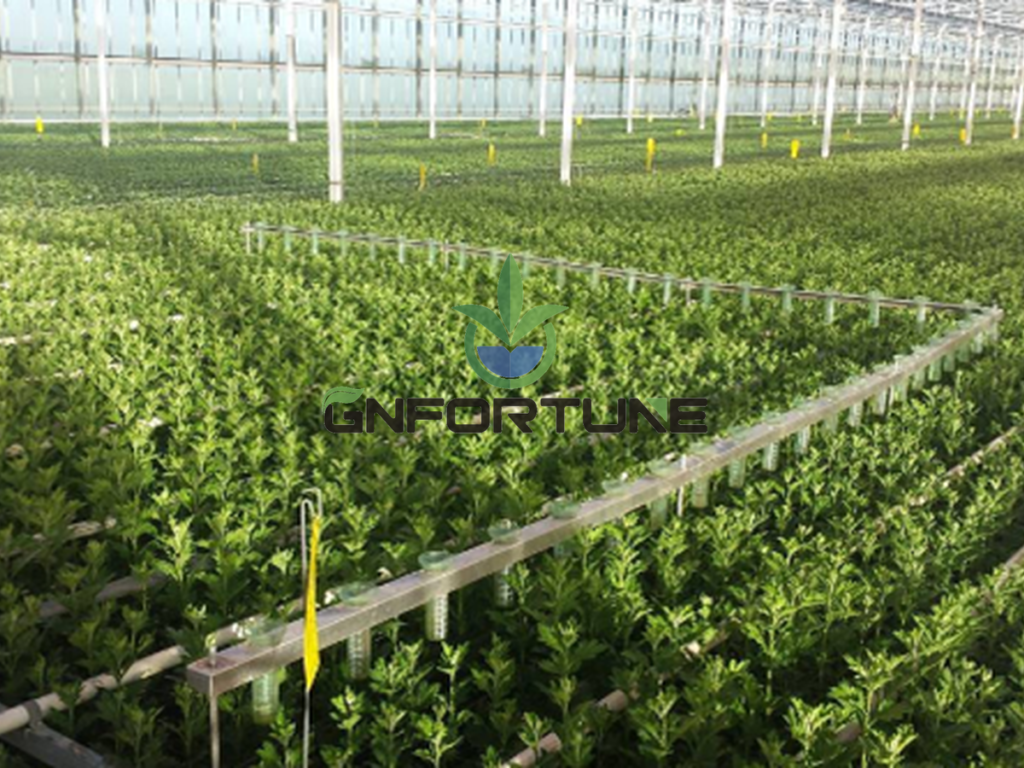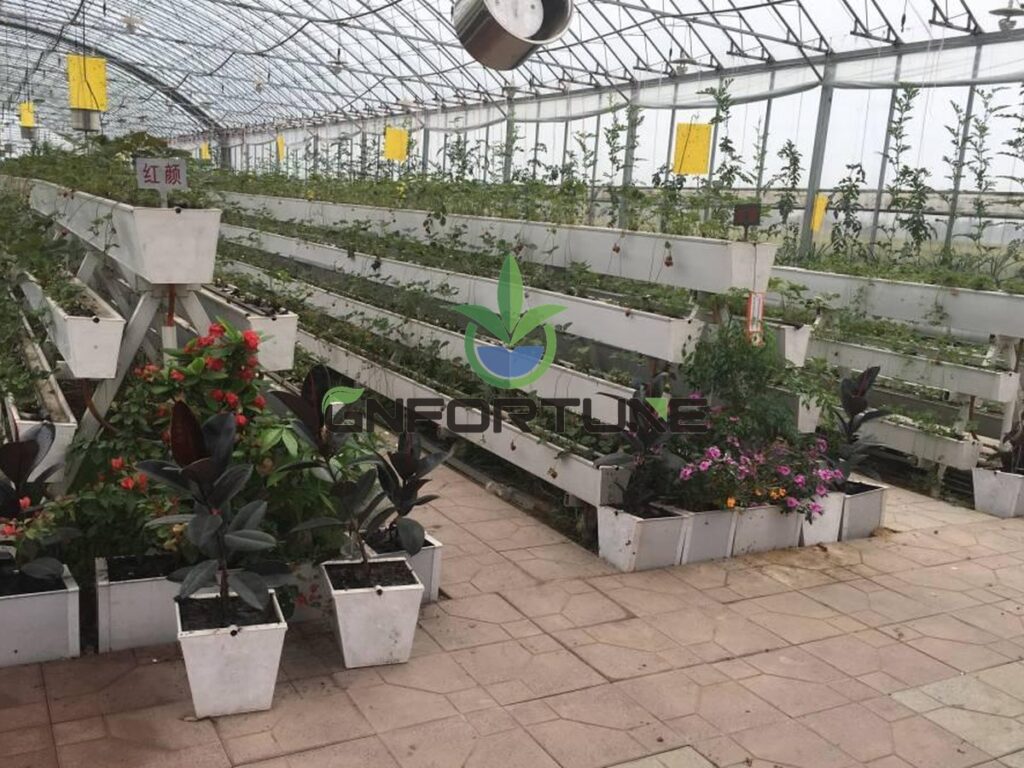
Edible flower hydroponic production is a food crop with a flower’s shelf life, and that combination defines every rule in this guide. The blooms are eaten raw and unpeeled, and they reach the kitchen days after being picked — so pesticide limits, harvest timing, packaging and delivery rhythm matter more here than on almost any other line. This article covers only flowers grown to be eaten; growing flowers for the vase is a different business, covered separately under hydroponic cut flowers and foliage.
It is written for existing leafy or herb farms considering an edible flower line as an add-on, and for project teams assessing whether the channel justifies area.
Edible Is Not the Same as Ornamental
No flower should be sold as edible just because it looks like food. Only species and cultivars confirmed as edible go to the kitchen, and they must be grown under a food-crop programme from day one — not diverted from an ornamental line.
Three consequences follow:
- Programme separation: flowers grown under an ornamental spray programme cannot be redirected to the food line, and irrigation shared between ornamental and edible blocks is a red flag to a food-safety auditor.
- Whole-plant exposure: the product is eaten raw with no wash step that reliably removes residues.
- Documentation: buyers will ask what was applied, when and under what registration — the discipline behind batch traceability applies in full.
Which Species Are Worth Growing at Volume

A short list earns its area, and most of the money sits in a few reliable species. Build the line around flowers that survive picking, packing and a two-day delivery, and treat the delicate ones as small extras.
| Species | Production notes | Channel fit |
|---|---|---|
| Viola, pansy | Cool-season, compact, heavy flowering, suited to benched gutters | Volume backbone; garnish punnets |
| Nasturtium | Trailing habit needs gutter or slab space, more room per plant | Flowers and leaves both sell |
| Begonia | Tolerates shade and heat; slower to flower | Summer continuity where viola fades |
| Calendula, borage | Large, single petals picked individually | Volume as petals, not whole blooms |
| Herb and allium flowers | Chive, dill and fennel flowers come off herb lines already in production | Cheapest add-on to an herb house |
Nasturtium, viola and begonia hydroponics between them cover most of a food-service calendar: viola carries the cool months, begonia holds through heat, and nasturtium gives a larger bloom most kitchens use in quantity. Squash blossoms sell well but only to kitchens close enough for same-day delivery.
Test varieties on the bench before committing area — a flower that performs in a catalogue can shatter in packing, so apply the variety selection discipline used on any other line.
Food Safety Edible Flowers: The Pesticide Problem
Food safety for edible flowers is a pesticide problem before it is a hygiene problem. The product is eaten raw with no effective wash or peel, so the only safe approach is a plant protection programme built from products registered for that crop and that use in the destination market.
What that means in practice:
- Residue compliance is not optional: registrations for ornamental flowers, and even for some vegetables, do not cover flowers sold as food — see pesticide residues and MRL compliance.
- Biological control first: scouting-based IPM keeps most pests inside thresholds without a spray. Thrips are the pest that most often forces a decision on an edible flower block, and the thrips and whitefly scouting routine is the core of the defence.
- Clean the structure: rodent and bird control in the house and pack area is part of the story for a product sold loose on the plate.
- Certification sets the bar: restaurant groups increasingly ask for retail-level credentials, and the GlobalGAP and HACCP path is the usual route.
Any farm that cannot run a food-crop spray programme should not grow this line — a single failed residue test usually ends the relationship.
Harvest Maturity and the Morning Cut
Pick flowers fully open but fresh, in the cool of the morning, and out of the house within the hour. Maturity is visible on the bench: a bloom picked too tight stays closed, and one picked late loses petals in the punnet.
The discipline around the cut:
- Cut in the early morning after any guttation has dried and before the house heats up.
- Pick into shallow single-layer trays; flowers crushed in deep containers are lost before grading.
- Grade immediately at the bench, discarding insect damage, discoloration and anything the buyer’s spec excludes.
- Move graded flowers to cold storage the same morning; re-entry rules after any spray apply more strictly to a raw-eaten crop than to most.
Harvest is fully manual and daily, and it is the crop’s largest labour item — build the labour calendar around a standing morning pick, not spare time.
Shelf Life, Packaging and Cold Chain
Plan on a shelf life measured in days, not weeks. With the cold chain held from the morning cut onward, hardy species such as viola commonly hold for a planning range of 3–7 days; delicate species hold less, and a single warm afternoon in a delivery van removes most of that margin.
Edible flower packaging exists to protect a single layer of product and stop condensation:
- Vented punnets or clamshells, packed one bloom deep — piled flowers bruise each other within hours.
- Dry packing. Flowers are never washed before sale; free water in the pack rots petals faster than anything in the cold room.
- Cooling immediately after grading, using the simplest effective method from post-harvest cooling, then an unbroken cold chain to the kitchen.
Formats follow the packaging formats guide, with one difference: chefs unpack flowers, they do not display them, so arrival condition matters more than retail presentation. Write the grading standard before the first delivery, as under grading to specification.
Matching Production to Restaurant Order Rhythm
Kitchens order edible flowers on a weekly menu cycle, in small standing volumes with short-notice changes, so the plan has to be built around frequent small deliveries rather than bulk drops. That is what separates culinary flower wholesale from produce wholesale.
The rhythm in practice:
- Standing orders, small counts: a typical restaurant takes a few punnets per week per species, so the line needs several times the accounts a leafy grower would need for the same area.
- Menu changes rewrite demand: a dish coming off the menu removes a species with a week’s notice, so overplanting is a direct loss.
- Proximity decides the channel: the viable radius is short — city restaurants within a same-day delivery. Beyond it, a distributor with consolidated routes has to sit in the middle.
- Waste is a managed number: unpicked blooms are lost daily, so plant to a rolling forecast agreed with chefs rather than a fixed weekly sow.
Does Edible Flower Hydroponic Production Pay
It pays as an add-on line to an existing farm with a city channel, and rarely as a standalone project. Price per gram is high, yield per square metre is low, and the labour is daily and manual — so the economics work when the delivery route, cold chain and chef relationships already exist.
Model it per gram rather than per square metre:
- Labour dominates: a daily morning pick, hand grading and punnet packing are all direct hours.
- Waste is structural, not exceptional — blooms missed at maturity are lost, so the harvest plan sets the saleable percentage.
- Freight per gram is high because volumes per delivery are small; route density matters more than distance.
- The cost-per-kilo method used for lettuce works here with grams as the unit.
As a diversification case it sits with high-value crop selection logic: modest area, high unit price, demanding channel. The honest test is whether the farm can sell the entire weekly pick — anything grown beyond confirmed demand is compost.
FAQs About Edible Flower Hydroponic Production
Can any flower be sold as edible?
No. Only species and cultivars confirmed edible, grown under a food-crop programme, may be sold — ornamental-grown flowers must never be diverted to the food line.
Can we spray edible flowers like our greens?
Only with products registered for that crop and edible use in the destination market. Registrations for ornamentals, or even for some vegetables, do not cover flowers sold as food.
What shelf life should we promise a chef?
Days, not weeks: a planning range of 3–7 days for hardy species held cold and dry from the morning cut, and less for delicate ones. Promise the low end and deliver twice weekly.
Which system suits edible flowers?
Benched gutters suit compact, heavy-flowering species such as viola; trailing species like nasturtium need gutter or slab space with more room per plant.
How large should an edible flower block be?
Small — a few benches alongside an existing herb or greens house, sized to confirmed weekly orders. Scaling up works only once the chef network and delivery route exist.
Related Reading
- Hydroponic Cut Flowers and Foliage: What Changes When You Grow Ornamentals — Ornamental cut flowers: the adjacent category with different rules
- Packaging Hydroponic Produce: Formats, Shelf Life and Retail Requirements — Pack formats, shelf life and retail requirements
- Post-Harvest Cooling & Cold Chain for Hydroponic Produce: Vacuum, Forced-Air and Room Cooling — Vacuum, forced-air and room cooling for short-life produce
- Pesticide Residues and MRL Compliance for Hydroponic Produce — Residue limits that cap what an edible crop can be treated with
- Selling Hydroponic Produce: Channels, Contracts and Pricing Discipline — Channels, contracts and pricing discipline for food-service buyers
Next Step: What to Send for a Quotation
An edible flower line is quoted from the species mix and the delivery rhythm, so bench layout, gutter profile and pack-bench sizing follow from the crop plan. Suppliers asked to quote without the species list will size it like a lettuce house.
Planning an edible flower block? Send for RFQ or project consultation: greenhouse dimensions and usable bench area; species mix and target weekly punnets per species; buyer type and delivery radius; local climate and season plan; raw water analysis; preferred system; existing pack bench and cold room capacity; automation level; delivery schedule; and the budget band. G AND N FORTUNE LIMITED supplies substrate gutters, NFT channels and matched greenhouse packages.