Ginger hydroponic production is one of the most requested diversification crops, and one of the few where the honest answer for most projects is no. Both ginger and turmeric grow well without soil, so the biology is not the obstacle. The obstacle is commercial: a bay is occupied for roughly 8–10 months, the saleable part is buried in the medium, and the two things most likely to destroy the margin — rhizome rot and washing labour — only show themselves at the end of that wait.
This assessment is for farm owners and investors weighing a ginger or turmeric block against the crops that could use the same bay several times over in the same period.
Is Ginger Hydroponic Production Practical at Commercial Scale
For most commercial projects, no. It is technically achievable and routinely demonstrated, but the economics close only under a narrow set of conditions: a warm root zone that does not need months of heating, disease-free planting material, an output contracted before planting, and capacity that would otherwise earn nothing.
Four structural reasons the crop disappoints:
- Occupancy: one crop holds the bay for most of a year, so annual revenue per square metre must beat several short cycles stacked up.
- Buried product: the saleable organ sits in the medium, so scouting is indirect and harvest is a destructive lift.
- Back-loaded risk: rot develops unseen and surfaces at lifting, after the money is spent.
- Heavy post-harvest: washing, curing, grading and packing all land inside a few weeks.
Ginger is a contract crop, not a speculative one: build the case from a buyer and a planting material source, not from a price chart.
What the Ginger Cycle Length Does to Cash Flow
The ginger cycle length turns a bay into a fixed position for most of a year. Every cost that scales with time rather than output — structure, capital, supervision, pest control — has to be carried by one harvest, with no weekly cash inflow in between.
The comparison that matters is not ginger against lettuce, but one ginger crop against the number of short cycles the same bay could have turned in that window.
Heating changes the answer entirely. Holding a warm root zone through a 8–10 month crop in a temperate climate is a different order of cost from heating a nursery for three weeks; in a warm region that penalty disappears. Working capital deserves the same scrutiny — the gap between planting and first revenue is long, so phasing a project in stages matters more here than on crops that start earning within weeks.
Substrate, Depth and Drainage for a Rhizome Crop
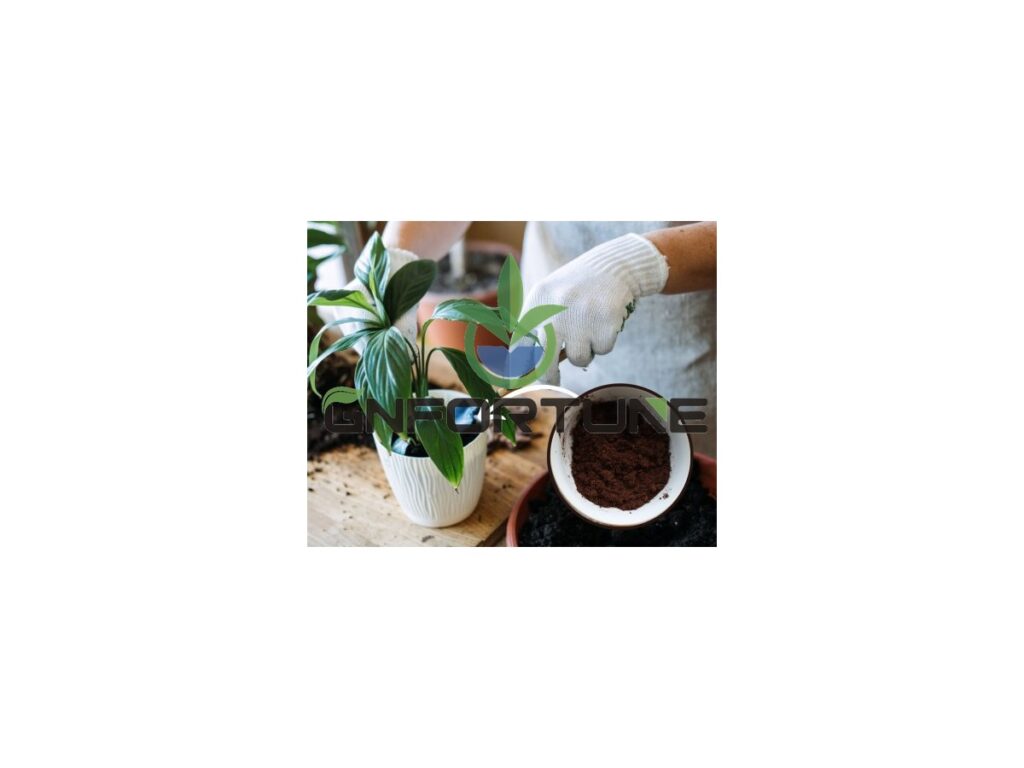
Rhizomes need loose, free-draining medium with depth to swell sideways, and they need it to stay aerobic for the whole crop. Deep, permanently wet medium is the most common design error in a ginger block.
Treat rhizome crop substrate as a drainage specification first and a nutrition question second:
- Depth: plan 25–40 cm for a mature crop, less where the crop is lifted young as baby ginger.
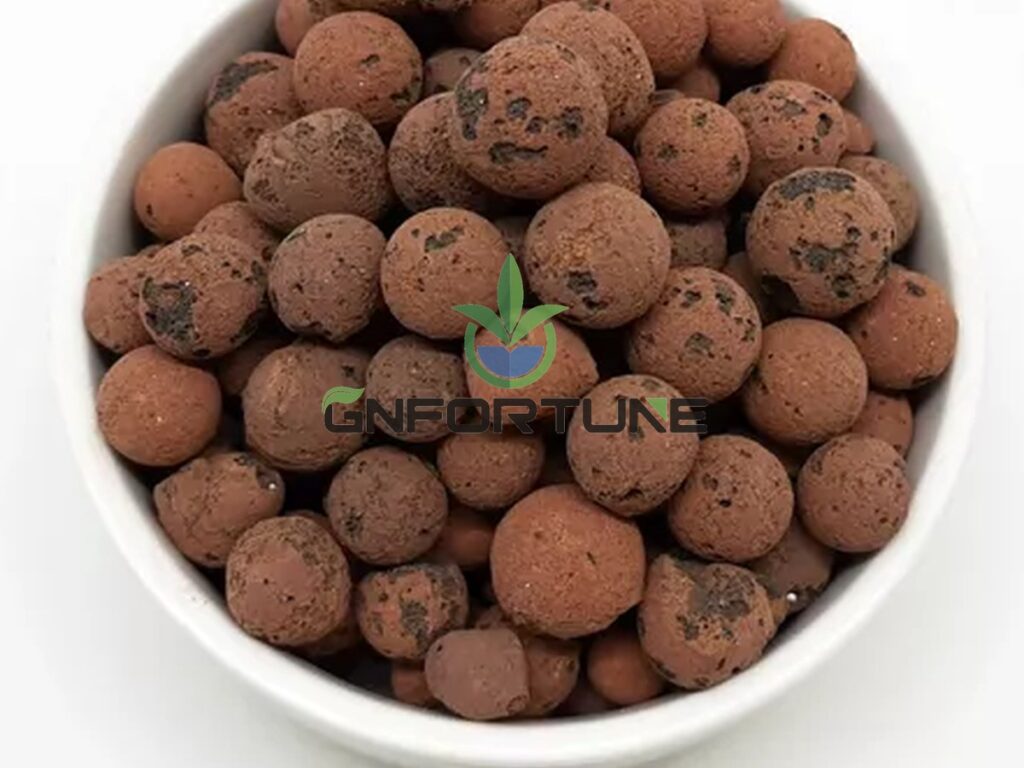
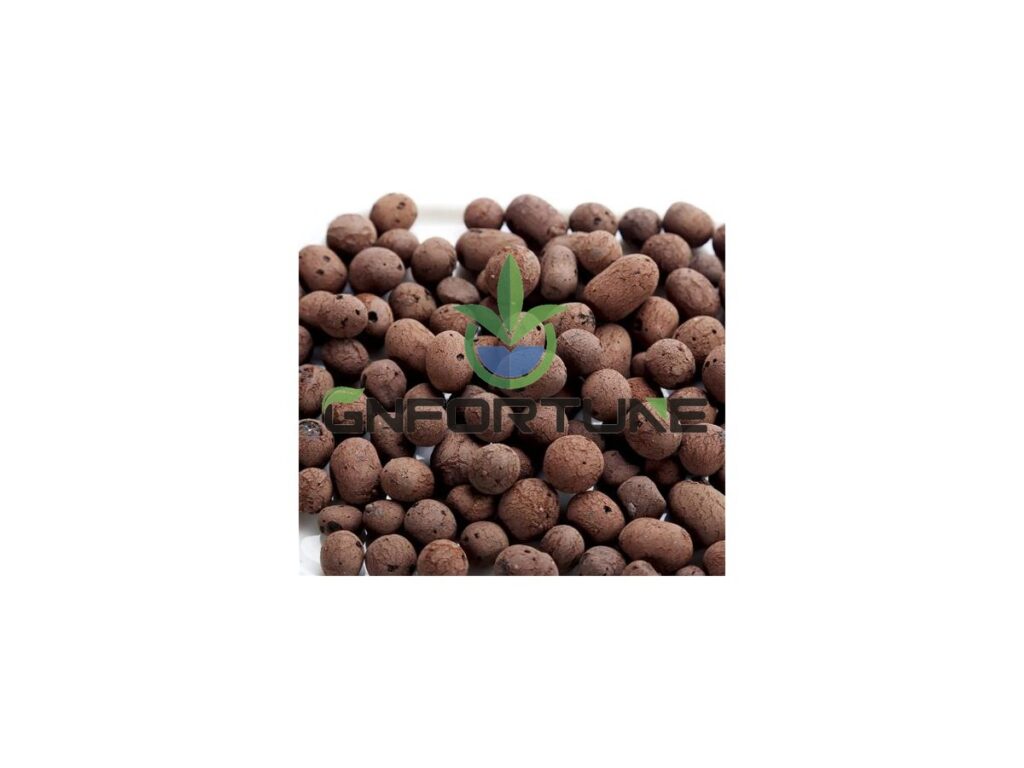
- Structure: open, coarse blends that drain fast and resist compaction over ten months.
- Drainage path: grow bags and slabs with defined drain slits work; closed troughs with no free outlet do not.
- Irrigation: short, climate-matched applications, not long soaks.
System choice follows from depth: NFT channels are irrelevant, substrate gutters work if the profile drains freely, deep bags or slabs are the common route, and Dutch buckets are generally too small for a rhizome.
Rhizome Rot: The Risk That Decides the Crop
Rot is the dominant risk, and it is a design problem before it is a treatment problem. Rhizomes in saturated, low-oxygen medium for months face Pythium, Fusarium and bacterial soft rot; by the time symptoms show above the medium, the loss has happened below it.
Prevention is mostly structural:
- Start clean: planting material with documented disease-free status, inspected on arrival like incoming seeds and media.
- Guarantee drainage: free outlet, air gap under containers, no standing run-off.
- Match irrigation to weather; a cool week needs far less water than the week before it.
- Decide the water path: drain-to-waste removes the recirculation route, since root rot organisms spread fastest in shared water.
- Rogue early and generously, medium included.
Floor hygiene matters more here than for leafy lines, because lifted plants and spent medium share the aisles — see floor drainage and hygiene zoning.
Harvest, Washing and the Post-Harvest Line
Harvest is a lift, not a cut. The crop comes out coated in substrate and still has to be washed, cured or dried, graded and packed — all inside a few weeks, the worst utilisation profile for capital equipment.
Washing is the line most budgets miss: rhizomes are creviced and easily damaged, and the wash water is a food-safety surface that needs wash water sanitation monitoring. Time ten kilograms through your own line before quoting a price.
Mature rhizome is cured and dried for storage life; baby ginger sells fresh and skips curing but gives up yield per square metre. Write the grading standard before the first lift.
Turmeric Soilless Cultivation: Same Crop Logic, Different Market
Turmeric behaves much like ginger in substrate — comparable cycle, depth, drainage and rot pressure — but its route to market usually runs through drying and processing, which changes the buyer.
- Cycle: plan the long end of the same band under the same climate.
- Form sold: dried fingers or powder, so drying, moisture control and food-safe milling are in scope.
- Buyer: a processor purchasing tonnes of dried product against colour, moisture and cleanliness specifications.
- Storability: dried turmeric can be held, which removes the single-week sales pressure on fresh ginger.
With no fresh retail route, turmeric soilless cultivation with on-farm drying and a processor contract is the more defensible crop. With a strong fresh channel, ginger pays more per kilogram inside a tighter window.
Ginger Greenhouse Yield: How to Model It Honestly
Model ginger greenhouse yield as a band built from your own inputs, then discount it before pricing. A single figure from a supplier sheet carries none of the premises that make it true.
| Planning input | Working assumption | Why it moves |
|---|---|---|
| Planting density | 8–12 seed pieces per m² | Cultivar, target size, cycle length |
| Seed piece weight | 25–40 g | Seed source, cut versus whole rhizome |
| Multiplication | 8–12× planted fresh weight | Season length, root-zone temperature, disease |
| Deduction at packing | 10–20% | Rot, washing loss, grade-out |
On those inputs, washed saleable yield lands roughly in the band of 1.5–5 kg/m², and a first cycle in a new house usually lands at the low end. The same arithmetic puts seed rhizome at roughly 2–4.5 t per hectare of bed area — cash out long before the crop produces anything.
When a Ginger or Turmeric Block Does Make Sense
It makes sense when the crop uses capacity that has no better use and the output is contracted before planting. Either condition alone leaves the project exposed.
- A written offtake with grade, volume and price — offtake agreements before you build applies harder to a ten-month crop than to any short one.
- Warm climate or cheap heat, so the root zone stays warm without a year of heating bills.
- Documented disease-free planting material, budgeted at the seed rate above.
- Either baby ginger for a shorter cycle, or turmeric with drying capacity for a storable product.
- Shared washing, drying or grading capacity — farms already handling root crops in substrate have most of the line.
- A pilot block: 200–500 m² for one cycle costs a season and de-risks everything after it.
Where those conditions cannot be assembled, leave the bay in short-cycle production. Ginger hydroponic production does not reward optimism, because the feedback arrives ten months after the decision.
FAQs About Ginger and Turmeric in Substrate
Can ginger really be grown hydroponically?
Yes, in substrate. Here hydroponic means a soilless medium with fertigation, not a nutrient film or deep water; ginger does not grow in NFT channels or raft beds.
How long is the ginger cycle in a greenhouse?
Roughly 8–10 months for mature rhizome under warm conditions, longer where growth slows. Baby ginger can be lifted earlier for a fresh, thin-skinned product at lower yield per square metre.
What yield should go into a feasibility study?
Build a band from your own planting density, seed piece size, multiplication and packing loss — the worked example above gives roughly 1.5–5 kg/m² washed. Assume the low end for a first cycle.
Is recirculating fertigation safe for ginger?
It carries more risk than drain-to-waste, because a shared loop distributes rot organisms to every container it feeds. If water economics force recirculation, pair it with disinfection and monitoring.
Should we plant ginger or turmeric?
Turmeric if you have drying capacity and a processor buyer, since dried product can be held. Ginger if you have a strong fresh channel and can move a defined grade quickly.
Related Reading
- Coco Coir at Commercial Scale: Washed, Buffered and What Batch Variation Really Costs You — Coir at scale: washed, buffered and what batch variation costs you
- Grow Bags and Slabs: Sizes, Materials, Drainage — Drainage behaviour in deep beds, which decides rot risk
- Root Rot in Hydroponics: Pythium in NFT and DWC — Pythium in NFT and DWC, and what it does to a long-cycle crop
- Fungal Diseases in Hydroponics: Mildew and Botrytis — Mildew and botrytis pressure in a dense, long-cycle canopy
- Crop Scheduling for Continuous Production: Building a Planting Calendar That Holds — What a ten-month crop does to the rest of the calendar
Next Step: What to Send for a Quotation
A ginger hydroponic production block is quoted from its depth and drainage requirement, so the medium, container and bench layout follow from the crop. Suppliers asked to price a rhizome block without that specification will quote a leafy-crop layout.
Evaluating a ginger or turmeric block? Send for RFQ or project consultation: greenhouse dimensions and usable bed area; crop and product form; target annual output and harvest window; local climate range and heating plans; raw water analysis; medium and drainage preference; existing washing, drying and grading capacity; automation level; delivery schedule; and the budget band. G AND N FORTUNE LIMITED supplies substrate gutters, grow bag and slab layouts and matched greenhouse packages.