Root space hydroponic container choice is usually inherited rather than decided. A farm buys the pot its nursery used, or keeps the channel it installed for lettuce, and then wonders why the herb line loses vigour in week seven or why the strawberry block needs attention twice a day. The question worth asking before the order is simple: how much root volume does this crop need, for how many days, and what happens on the day it runs out.
This guide works from cycle length backwards to container form. It does not cover plants per square metre, which is a separate calculation.
Root Space Hydroponic Container Choice Is a Cycle-Length Decision
Root volume is not a yield input; it is a buffer with an expiry date. The plant fills whatever space it is given, and the question is whether it fills that space before or after harvest.
A short-cycle crop can finish in a small container because it is cut while the root system is still expanding. A long-cycle crop cannot: it reaches the walls of its container and from that point the grower is managing a plant with no reserve. The same container that is generous for lettuce is restrictive for a crop standing eight months.
Three things the buffer buys, which are what growers lose when the container is too small:
- Water buffer: volume holds solution between irrigations, so a pump fault or a hot afternoon is absorbed.
- Nutrient buffer: a larger root zone smooths EC movement under high transpiration.
- Anchorage: tall or heavy crops need mass at the base, which a shallow container cannot give.
What the Container Provides to the Root Zone
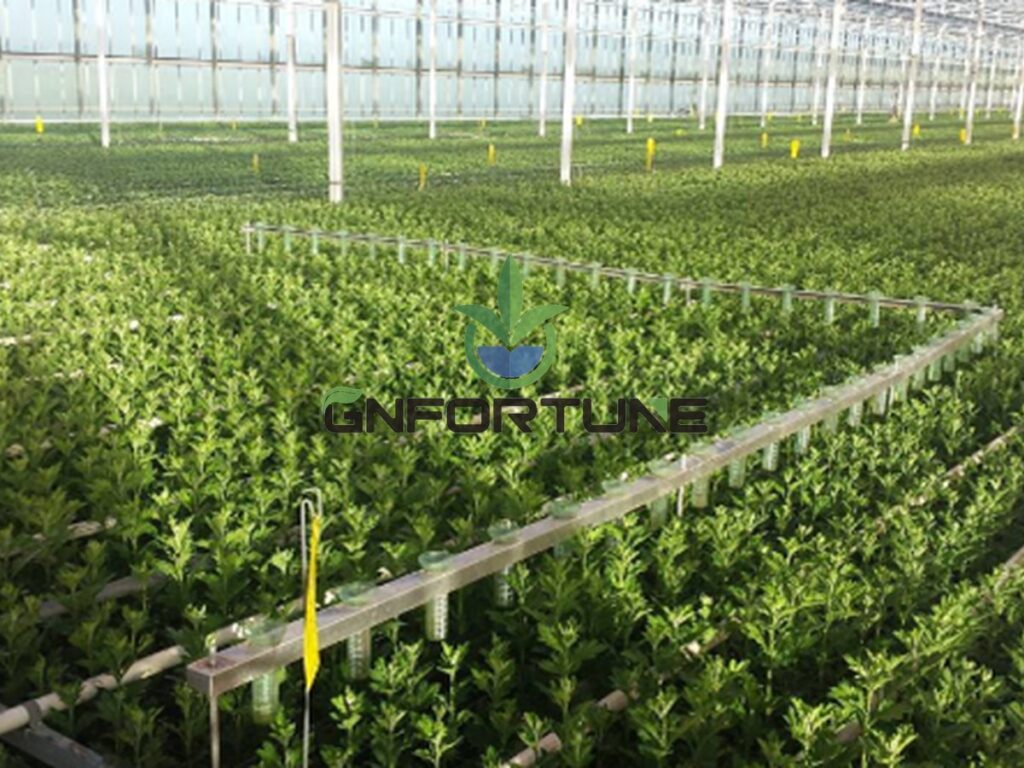
Root zone size hydroponics discussions often conflate two things: the volume of the container and the volume the roots actually occupy. In an NFT channel the container is shallow and roots spread as a thin mat along the base; in a grow bag the container is deep and roots explore a three-dimensional block of substrate.
The distinction matters because the two fail differently. A shallow mat has almost no water buffer — when flow stops, the film drains and roots are exposed within a short window. A substrate block holds solution, so failure is slower, but a block kept too wet loses air and the roots suffer from the opposite direction. Depth and width are not interchangeable either: deep and narrow gives anchorage and a wet base, shallow and wide gives spread and quicker drying.
Short-Cycle Leafy and Herb: How Little Is Enough
For container volume, lettuce herb crops sit at the small end and the reason is timing: a leafy crop cut roughly 30–45 days after transplant, under a temperate programme with a compact cultivar, is sold before the container becomes the constraint.
The failure mode at this end is not undersizing, it is inconsistency. A channel too shallow for the plug to sit squarely tips it, and tipped plants in a fast cycle are lost plants. A pot too shallow for the plug dries at the top of the medium between irrigations.
Culinary herbs are the awkward group. Cut-and-come-again herbs occupy the space far longer than their plant size suggests — a basil block may stand for months with repeated harvests — so they need more root volume per plant than a lettuce of the same canopy size.
Net Pot Depth by Crop: What the Pot Does and Does Not Do
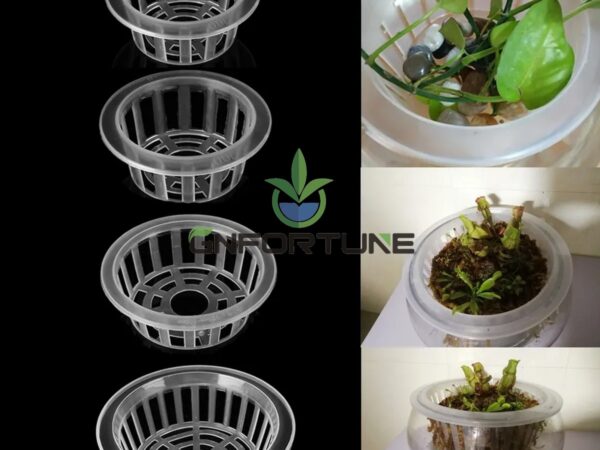
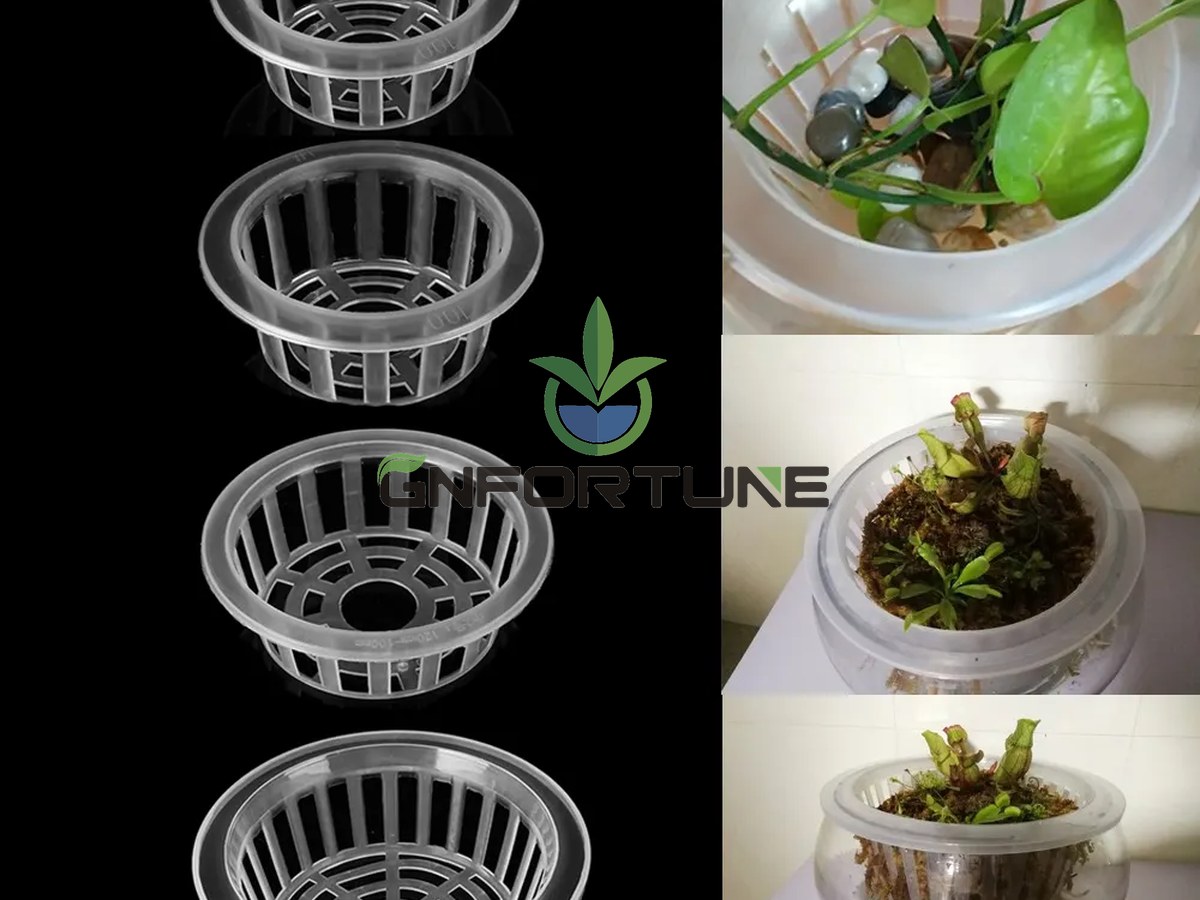
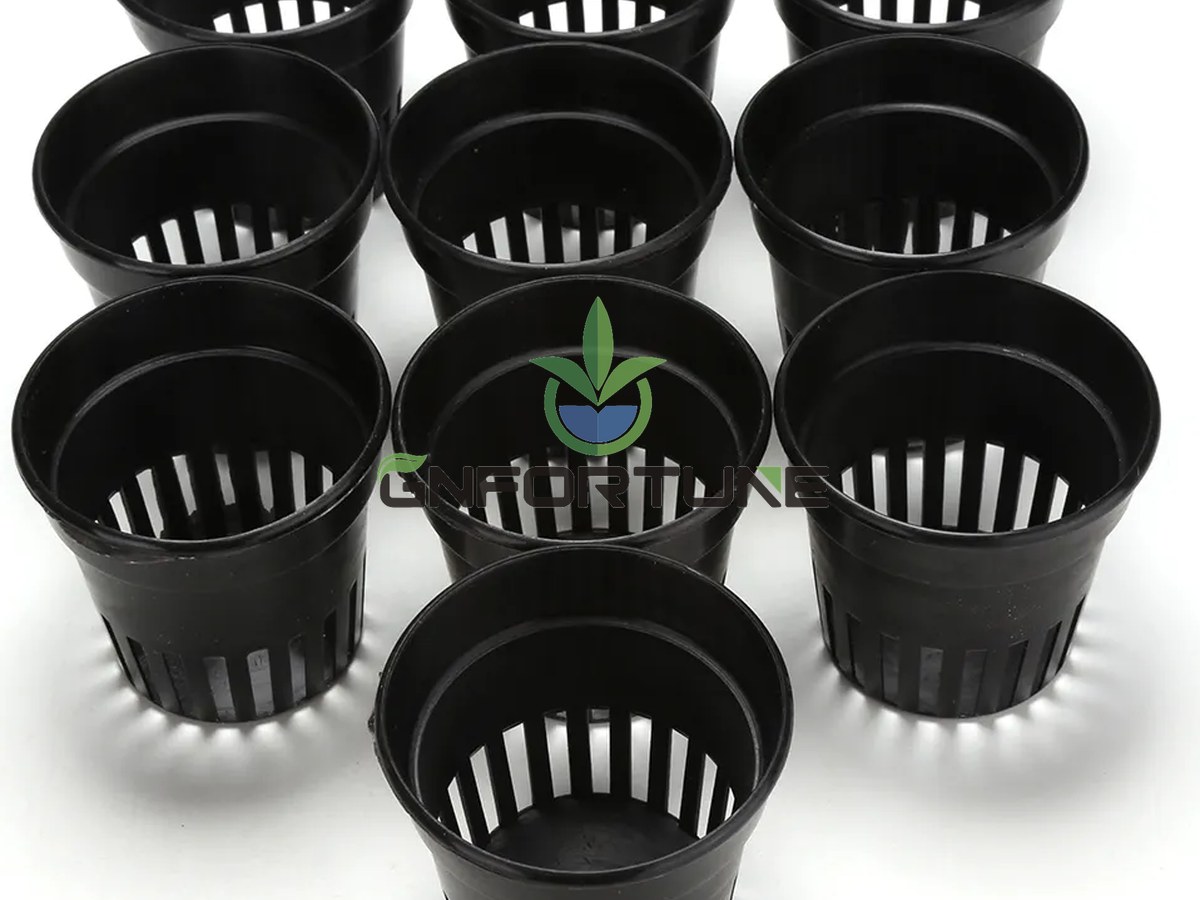
Net pot depth by crop is the most frequently misread specification on a soilless farm. A net pot is not the root container in most systems — it is the holder keeping the plug upright and letting roots pass through into whatever sits below, whether channel, slab or bucket.
That means a deeper pot does not give more root space. It gives more medium around the plug and a longer path before roots reach the real root zone:
- Short-cycle crops suit shallow pots, because a path the crop will never need is wasted medium cost.
- Long-standing crops suit a deeper pot, mainly for stability and medium around the crown.
Confirm with a supplier the pot’s fit to the channel or slab opening, its depth relative to the plug height, and the open area of the mesh — a pot whose slots clog with root mass stops passing water. Sizing detail is set out in the net pot size comparison; choosing by diameter alone is the usual mistake.
Shallow vs Deep Channel Crop: Where Each Fits
Shallow vs deep channel crop selection comes down to how long the crop stands and how much support it needs. A shallow NFT channel suits short-cycle leafy production: fast turnaround, easy clean-out, low medium cost per plant. It suits a heavy crown or a woody base poorly, since there is nothing to anchor against or hold water.
A substrate gutter or a Dutch bucket reverses those properties — more medium, more buffer, better anchorage, and a larger volume to heat, cool, wet and dispose of.
| Form | Root space character | Buffer | Suits | Watch for |
|---|---|---|---|---|
| Shallow NFT channel | Thin mat, wide spread | Low | Short-cycle leafy, some herbs | Rapid drying if flow stops |
| Substrate gutter | Shallow block, continuous | Moderate | Strawberry, long herbs | Salt build-up along the run |
| Slab or grow bag | Deep block, per plant | High | Vine crops | Over-wet base, disposal cost |
| Bucket with medium | Deep, discrete, replaceable | High | Vine crops, phased replacement | Medium volume and handling |
Strawberry is the instructive middle case. Growers who put it in a lettuce-specification channel usually find the buffer inadequate across a long season while the plant itself stays modest.
Rootbound Hydroponic Crop: Symptoms and Cost
A rootbound hydroponic crop rarely announces itself as a root problem. It presents as a management problem that worsens over time, which is why it is often treated by changing the feed rather than the container.
- Wilting that starts earlier each day: canopy demand exceeds what the root volume can supply.
- Sensitivity to EC movement: small solution changes produce visible responses.
- Uneven growth within one zone: plants at the dry end show it first.
- Recovery failures: after a pump fault or a hot day, the crop does not return to where it was.
The cost is rarely counted as lost yield alone: downgrade percentage rises with uniformity loss, and labour rises with the daily interventions needed to keep a marginal root zone stable.
A Container Selection Table by Cycle Days
The table is a planning aid, not a specification. Cycle bands assume a temperate greenhouse programme with standard commercial cultivars and competent management; tropical heat, low light or an extended harvest window shift the bands and the volumes with them.
| Crop group | Planning cycle band | Container form | Planning root volume per plant |
|---|---|---|---|
| Leafy greens (lettuce, Asian greens) | 30–45 days from transplant | Shallow NFT channel | Channel film volume plus the plug; no separate container |
| Culinary herbs, single cut | 40–70 days | Shallow channel or small pot | Small, roughly 0.3–0.8 L |
| Culinary herbs, cut-and-come-again | 90–180 days | Substrate gutter or larger pot | Moderate, roughly 1–3 L |
| Strawberry, long season | 180–300 days | Substrate gutter or slab | Moderate, roughly 3–6 L |
| Vine crops (tomato, cucumber, pepper) | 210–330 days | Grow bag, slab or bucket | Large, roughly 8–20 L |
Read it as a relationship rather than a lookup: as the cycle lengthens, the buffer required grows faster than the plant does. The vine crop figures look large because a fruiting crop with a heavy canopy draws against that volume daily for most of a year.
Two corrections belong in any plan built from this table. The first is plant spacing, since volume per plant and plants per square metre multiply into medium cost and irrigation demand together. The second is propagation timing, because a plug held too long in a small cell arrives already constrained.
Choosing a container on cycle length rather than habit is the whole exercise. Where the answer is uncertain, go slightly larger for a long-cycle crop and slightly smaller for a fast one.
FAQs About Root Space and Container Depth
Does a deeper net pot give plants more root space?
No. A net pot holds the plug and lets roots pass into the channel, slab or bucket below; extra depth adds medium around the plug and stability, not root volume.
Why do herbs decline after the second cut?
Because they are long-cycle crops in a short-cycle container. Cut-and-come-again herbs stand for months and need more root volume per plant than a lettuce of similar canopy size.
What is the first sign a container is too small?
Wilting that starts earlier each day and slower recovery after any interruption. Both mean the root volume can no longer buffer canopy demand.
Is a bigger container always safer?
Not for short cycles. Larger volumes cost more in medium, hold more water against the base, take longer to flush and cost more to dispose of.
Can strawberry run in a standard NFT channel?
It can, but a lettuce-specification channel usually gives too little buffer across a long season. A substrate gutter with more medium is the common choice.
Related Reading
- Grow Bags and Slabs: Sizes, Materials, Drainage — The deep-container end of the table, and what volume costs in medium and disposal
- Seed Trays and Plug Trays: Cell Counts and Specs — Where root space starts, and how long a plug can wait before it constrains the crop
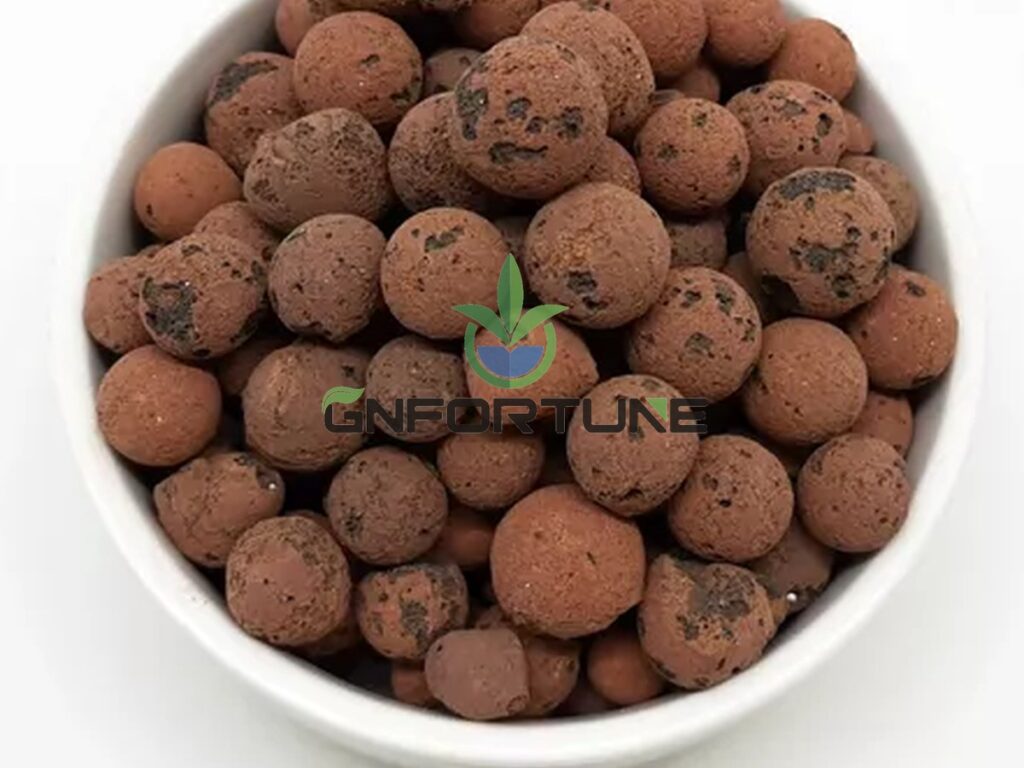
- Hydroponic Growing Media: A Guide to Soilless Substrates — How medium choice changes air and water holding inside the same volume
- Strawberry Gutter Growing Guide: Commercial Berry Production Step by Step — The long-season middle case between leafy and vine crops
- Commercial Lettuce Production in NFT Channels: Complete Grower’s Guide — The short-cycle end, where a shallow channel is exactly right
Next Step: What to Send for a Quotation
Container selection is quoted from the crop programme, so cycle length and cultivar matter more than the part number. A root space hydroponic container decision made from habit is the one that shows up in week seven.
Planning a new crop line or a container change? For RFQ or project consultation, send: crop and cultivar if selected; target cycle length and cuts per season; target plant size or harvest specification; preferred container form (NFT channel, substrate gutter, slab, grow bag or bucket); plants per square metre and total area; medium preference; local climate range and water analysis; automation level; delivery schedule; and the budget band. G AND N FORTUNE LIMITED supplies NFT channels, substrate gutters, net pots and bucket systems quoted to those parameters.