
Grow Bags and Slabs: What the Container Controls
Grow bags hydroponic buyers often compare unit prices first and find later that volume, drainage and packing decide what a cycle really costs. The container sets the root-zone buffer between irrigations, how fast the substrate dries back, and how many units fit in a container. Coco slabs, fabric bags and rigid open-top pots suit different cycle lengths and labour patterns. Work from volume per plant, then drainage design, then packing.
Bags, Slabs and Open-Top Pots Compared
Three formats cover most commercial buying. A grow bag is a flexible container filled with loose coir, a coir and perlite blend, or bark-based mix. A slab is a compressed block of coir or rockwool wrapped in film, laid flat, with plants set on the top face. An open-top pot is a rigid reusable vessel used on benches or in stackable systems.
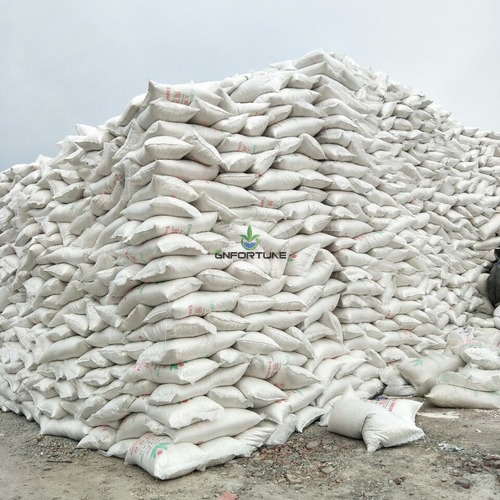
Bags win where each plant needs volume and the floor is uneven: cheap per unit, placed where needed, discarded after the crop. They lose on uniformity, since fill density and drainage vary bag to bag. Slabs win where row layout matters: every unit has the same volume, height and drain position, which is why slab culture dominates long-season fruiting crops, though the wrapping becomes a waste stream to plan for in the spent growing media disposal plan. Pots suit reusable systems and mobile benches, with higher capital cost but several cycles of service if cleaned between crops. Choose the media before the container; the range of soilless growing media used commercially behaves differently in each format.
Volume by Crop and Cycle Length
Volume per plant follows cycle length: the longer a crop stays in the container, the more buffer it needs against an irrigation failure. Under-sizing raises irrigation frequency and labour; over-sizing spends money on substrate and freight the plant never uses.
| Crop | Cycle | Volume per plant | Usual container |
|---|---|---|---|
| Lettuce and leafy heads | 4 to 7 weeks | 2 to 4 L | Slab with 3 to 5 plants, or small bag |
| Strawberry | 9 to 14 months | 3 to 6 L | Slab or long bag, one row per container |
| Cherry and beefsteak tomato | 30 to 45 weeks | 8 to 15 L | Slab with 2 to 3 plants, or 20 to 40 L bag |
| Cucumber and sweet pepper | 20 to 40 weeks | 8 to 18 L | Slab with 2 plants, or single-plant bag |
| Melon and small fruiting crops | 12 to 18 weeks | 20 to 40 L | Single-plant bag; see melons in grow bags and Dutch buckets |
These are working ranges, not specifications: variety vigour, climate and irrigation strategy move the number by 20 to 30% either way. Where a crop sits near the top of its range, check that the footprint still fits the bay spacing.
Fabric Bags vs Plastic: Drainage, Handling and Life
Material choice changes how water leaves the container: non-woven fabric drains through the sidewall as well as the base, improving oxygenation and air-pruning roots at the wall, while plastic film drains only where holes are cut and holds its shape when filled.
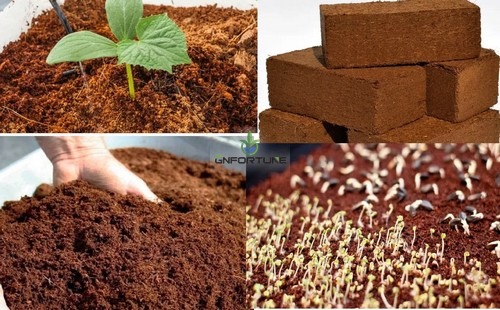
- Non-woven fabric: better root-zone oxygen; dries back faster, salts stain at the fabric edge, harder to sanitise, tears on rough or gravel floors.
- Plastic film: lower unit cost, slower dry-back, predictable shape; a badly placed slit leaves a saturated zone in the bottom third.
- Handling: fabric slumps when wet and needs a carrying frame; plastic keeps form but punctures on sharp edges. Both need a level, compacted base.
- UV and seams: unstabilised fabric degrades within a season outdoors, and stitched handles fail before the body. Ask for the UV package and seam construction in writing.
Slab Wrapping, Drain Holes and Cut Positions
On a slab, drainage is decided at installation, not at the factory. The wrapper is usually white on top to reflect radiation and dark underneath to block light and suppress algae. Drain slits go on the lower part of the long side, at the same height on every slab, so the row holds an even water table.
Two rules prevent most complaints. Cut slits after the slab has hydrated and settled, since a compressed block expands 4:1 to 6:1 and pre-cut slits end up above the water table. Cut to a consistent spacing, commonly two to four slits per metre on each long face, rather than one large opening that lets media wash out. Plant positions sit on the top face, offset from the drain line.
Hydration and Pre-Buffering on Site
Compressed coir arrives dry and has to be expanded, drained and buffered before planting — a scheduled wet task, and the step most often underestimated on a new site.
- Expansion: expect 4:1 to 6:1 by volume. Confirm the ratio in writing, since it converts a unit price into a litre price.
- Hydration: allow 12 to 24 hours of wetting with drainage open, then drain down before the first feed.
- Buffering: run buffered solution through until run-off EC lands within roughly 0.3 to 0.5 mS/cm of feed EC and pH sits between 5.5 and 6.0; batch variation is the usual cause of a slab that will not buffer, as set out in coco coir at commercial scale.
- Water volume: hydration water is a real budget line, so rainwater harvesting and storage planning sits upstream of a substrate order.
Pallet Quantities, Compression and Freight
Substrate is bulky, so freight per unit often exceeds substrate per unit: compare landed cost per expanded litre, and ask for pallet counts as well as carton counts.
| Format | Compression | Units per pallet | Freight note |
|---|---|---|---|
| Compressed slab, wrapped | 4:1 to 6:1 | 400 to 700 slabs | Weight-limited on most lanes |
| Compressed block or bagged coir | about 5:1 | 600 to 900 units | Stow dry; wet loads re-rated |
| Fabric bag, flat packed | not compressed | 2,000 to 4,000 bags | Volume-limited, light |
| Fabric bag, pre-filled with coir | about 2:1 | 300 to 600 bags | Ships water weight |
| Rigid pot, nested | not compressed | 1,500 to 3,000 pots | Cheap to ship, costly to store |
Pallet counts vary with carton size and stack height, so treat them as a negotiating range. Freight rates move with lane and season: figures vary by region and season, and a quotation should state whether the price is freight-inclusive.
Storage Life and UV Exposure
Dry, wrapped substrate is stable for 12 to 24 months kept dry, covered and off the ground. Hydrated substrate is not: once wet, plant or discard within days. Film-wrapped slabs left in direct sun yellow and crack, and fabric loses tensile strength within a season unless it carries a UV package.
What to Fix on the Purchase Order
Most disputes on substrate orders come from specifications nobody wrote down: expansion ratio, EC at dispatch, drain marking and pallet count. Those four cost nothing to specify and are expensive to find missing on arrival.
Price the expanded litre, not the bag. A supplier quoting per unit without an expansion ratio and a hydrated volume is selling a photograph. Ask for three numbers — compressed volume, expansion ratio, hydrated volume — plus the batch EC and pH declaration, and ask which carries a written tolerance. A manufacturer with wet testing answers in a day; a trader answers with a brochure.
- Dimensions: dry and hydrated, with tolerances in millimetres.
- Expansion ratio: stated as a range, with the test method used.
- EC and pH at dispatch: declared per batch, sample retained.
- Washing and buffering: stated in words, not implied by a product name.
- Packing and lead time: units per carton, cartons per pallet, pallets stamped to ISPM 15, production days from deposit, and price validity.
Frequently Asked Questions
How many litres does a tomato plant need?
A: Plan 8 to 15 L per plant for a long tomato cycle, as a slab with two to three plants or a 20 to 40 L bag. Vigorous varieties and hot houses sit at the top of that range.
Are fabric grow bags better than plastic ones?
A: Fabric drains through the sidewall and gives better root-zone oxygen, but dries faster and is harder to sanitise. Plastic holds water and shape, so it suits wider irrigation intervals.
When should drain slits be cut in a coco slab?
A: After hydration and settlement, not before. A compressed slab expands 4:1 to 6:1, and slits cut on a dry block end up above the water table.
How long can compressed substrate be stored?
A: Dry, wrapped and under cover, 12 to 24 months is a normal planning window. Once hydrated, plant within days.
What makes substrate quotes hard to compare?
A: Missing expansion ratios and hydrated volumes. Convert every quotation to landed cost per expanded litre before ranking them.
Request a Substrate Bag Quote
Grow bags hydroponic orders go wrong on plain items: an unstated expansion ratio, slits cut in the wrong place, and a pallet count that changes the freight line. Volume per plant, drainage design and packing maths are worth settling before the deposit rather than after the container lands.
Send crop, cycle length, plants per container and target landed volume, and the team will return sizing, pallet count and a specification sheet. To request a substrate bag quote matched to your crop, include the port and whether freight is included.


