

Packaging Is Part of the Product
Hydroponic produce often has a quality advantage — clean, undamaged, harvested on schedule. Packaging decides whether that advantage survives to the shelf. A well-grown head of lettuce packed in the wrong format arrives looking worse than average produce packed properly, and no amount of selling will recover the second order.
Choosing hydroponic produce packaging is a three-way trade-off between protection, shelf life and unit cost, constrained by what retailers actually accept. This guide covers the main formats, how controlled atmosphere works, where condensation goes wrong, and what to confirm with the buyer before committing to a machine.
Format Options
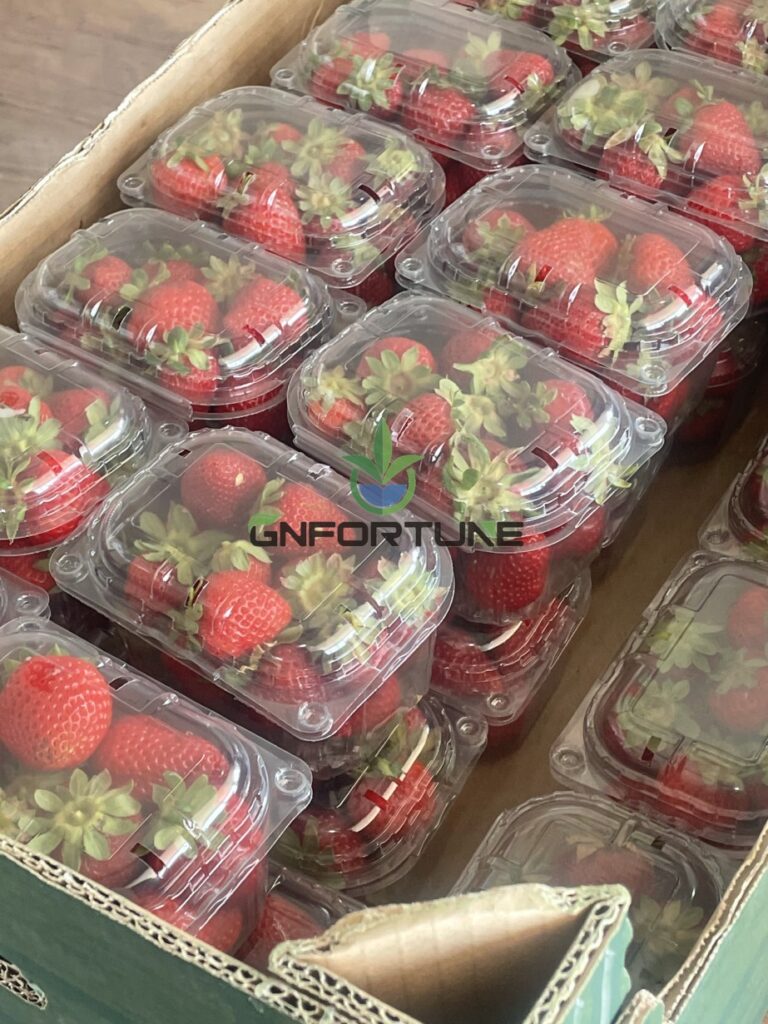
| Format | Best for | Advantages | Limitations |
|---|---|---|---|
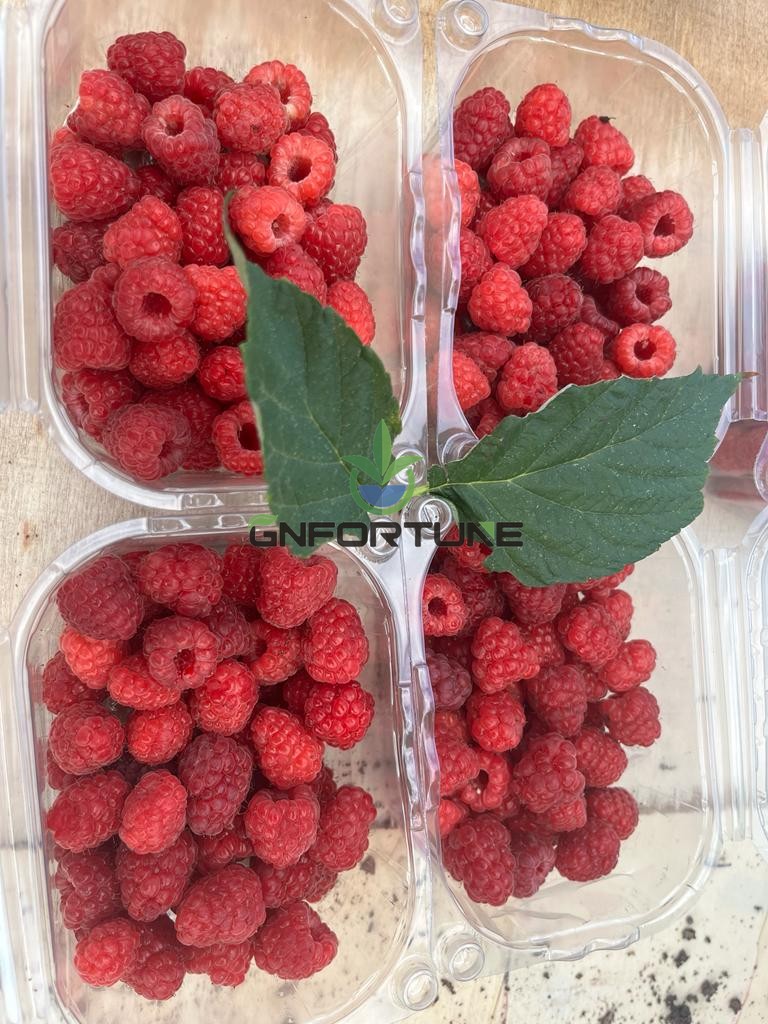
| Clamshell / rigid punnet | Berries, whole-leaf herbs, premium baby leaf | Protects fragile product, stacks well on shelf, good visibility | Higher unit cost, storage volume, recyclability questions in some markets |
| Flow wrap film | Single heads, bunched herbs, cucumbers | Low material cost, high line speed, good moisture retention | Less protection against crushing; ventilation depends on film |
| Bag with modified atmosphere | Leafy mixes, whole heads | Extends shelf life materially when specified correctly | Requires the right film permeability for the product and temperature |
| Loose in crate | Bulk supply to processors or wholesale markets | Lowest cost per unit | No protection downstream; not suitable for retail labelling |
| Banded or sleeved | Bunched herbs, some leafy lines | Minimal material, recyclable options | Limited modification of atmosphere; relies on good cold chain |
| Vacuum or skin packs | Some prepared lines | Long shelf life, compact transit | Capital equipment; not appropriate for all produce |
Modified Atmosphere, Plainly
A sealed pack is a small ecosystem. The product keeps respiring, oxygen falls, carbon dioxide rises, and if the balance matches what slows that product’s ageing, shelf life extends. The balance is set by film permeability and product respiration — which is why a film that works beautifully for one crop suffocates another.
- Film permeability must match the crop’s respiration rate, which itself changes with temperature
- Temperature control dominates. Atmosphere cannot rescue a broken cold chain; inside a warm pack respiration accelerates and the balance collapses
- Product specification matters: clean, dry, undamaged material performs far better than product packed wet or bruised
- Validate with the actual product and distribution time rather than relying on a film supplier’s generic claim
Condensation: The Most Common Complaint
Fogging inside a pack signals temperature fluctuation or product packed too wet, and it is followed quickly by slime and rejection.
- Dry surface before packing — excess water is the starting point for most condensation problems
- Pack cold product into a cold room, not cold product into a warm one
- Use anti-fog films where visibility matters, acknowledging they change wetting behaviour
- Avoid temperature cycling after packing — every warm excursion reallocates water onto the film surface
- Match ventilation so that excess humidity can leave without drying the product out
Label and Compliance Basics
- Confirm labelling requirements with the buyer first — shipments are rejected for label errors long before they are rejected for produce quality
- Country-of-origin and producer identification rules vary by destination
- Weight declaration and tolerances must suit the intended market and be verified by your own checks
- Traceability coding must integrate with your batch records, including what happens during a recall
- Material declarations and recyclability claims are increasingly part of the buyer conversation
- Allergen or treatment declarations where relevant to the product or destination
Choosing Equipment
| Option | Suits | Consider |
|---|---|---|
| Manual bench packing | Startup and diversified lines | Labour cost per unit, consistency of fill |
| Semi-automatic filling and sealing | Medium volume with few formats | Changeover time between formats |
| Fully automated line | High volume, contracted supply | Capital, maintenance capability, spare parts |
| Contract packing | Variable or seasonal volume | Loss of control over timing and presentation |
Decide formats before machinery. Farms frequently buy capable equipment and then discover their chosen retail format is not what it was specified for — a changeover they had not budgeted.
Cost Per Unit, Honestly
- Pack cost is only part of it. Labour per packed unit often exceeds material cost
- Storage and transit volume drive logistics cost; bulky clamshells cost twice — once to buy, once to ship
- Waste rates differ by format. A cheaper pack that increases in-store rejection loses
- Changeover time is real cost where lines run multiple formats daily
- Minimum order quantities tie up cash and storage — check before signing
Validate Before You Launch
- Trial the format with real product through the real distribution route
- Test through the claimed shelf life plus margin, not just to the last day
- Record conditions during transit using a logger — temperature excursions explain most failures
- Get the buyer’s formal acceptance in writing before first shipment
- Review complaints by format so that recurring issues point at the pack rather than the crop
FAQ
Which packaging gives the longest shelf life?
For most leafy products, a modified-atmosphere bag correctly specified for that crop and held at the right temperature. The film has to match respiration — the same bag that protects one product can spoil another.
Why does my product fog inside the pack?
Usually because it was packed wet, packed into a warmer space, or temperature-cycled in transit. Drying the surface and stabilising temperature across the chain fixes most cases.
Are recyclable materials always preferred?
Retailer requirements increasingly push in that direction, but check with the specific buyer. Recyclability, recycled content and local collection rules differ between markets.
Should I buy a machine or contract pack?
Depends on volume stability and control requirements. Contract packing suits seasonal or uncertain demand; owned equipment pays off with steady contracted volume and in-house maintenance skills.
Can I use one format for several crops?
Sometimes, but doing so means accepting a compromise — usually shelf life. Different respiration rates want different films.
How much does packaging cost per unit?
Wide variation by format and volume, and material cost is typically only part of the total. Compare fully loaded cost including labour and waste before deciding.
Match Packing to the Sales Channel
Format decisions made alongside your buyer hold up; ones made in isolation do not. Send us your crop list, target channels and daily volume and we can advise on line layout and capacity. Start from the quote form.
Related reading: packaging is the last link in a chain — see post-harvest cooling and cold chain, packing line automation, sales channels and pricing, traceability and batch records and growing blended lines for salad processors.