

Ornamentals are sold on appearance and longevity, not on yield. That single difference reshapes almost every decision: hydroponic cut flower production rewards stem quality, uniformity and vase life, and punishes farms that manage it like a lettuce crop.
This guide covers which species work in existing systems, what changes in nutrition and spacing, how post-harvest handling determines price, and how to enter the market without gambling a full house on it.
What Is Different About Growing Ornamentals Hydroponically?
Food crops are graded on weight and defect; ornamentals are graded on stem length, straightness, bud stage, colour and how long they last after cutting. Those are post-harvest characteristics determined largely before harvest — by nutrition, spacing, temperature and timing.
The margin structure differs too. Revenue per square metre can exceed food crops for the right species, but demand is seasonal, fashion-sensitive and concentrated through wholesalers who buy on consistency. A farm that cannot supply a standing weekly order will not hold the account, regardless of quality on a good week.
Which Species Are Worth Considering?
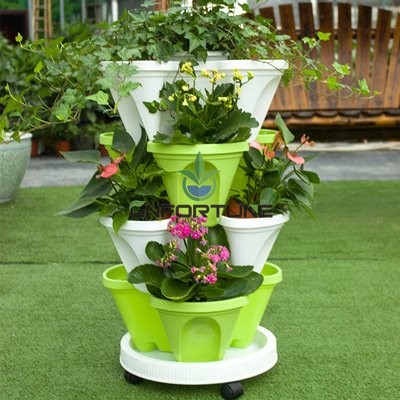
Start from what your existing system can already do and what local florists currently import:
- Cut foliage: ornamental grasses, eucalyptus, ruscus and greenery used as filler — forgiving, steady demand, less sensitive to perfect form.
- Specialty cut flowers: lisianthus, snapdragon, stock and delphinium suit substrate systems with support netting and controlled temperature.
- Foliage plants in pots: philodendron, monstera and similar foliage lines propagated and finished hydroponically.
- Roses and gerbera: technically viable but capital-intensive and quality-sensitive; usually a dedicated operation rather than a diversification.
Confirm grade requirements — stem length, bunch size, bud stage — with a named buyer before planting. The specification drives spacing, support and harvest timing more than any growing preference.
What Changes in Spacing, Nutrition and Support?
Spacing widens to give stems light and air, since crowding produces weak, curved stems that fail grading. Support netting or per-plant stakes become necessary for most tall-stem species. Nutrition shifts towards lower nitrogen relative to potassium and calcium once flowering begins, because excess nitrogen produces soft growth that wilts in transit and shortens vase life.
Temperature control matters more than for leafy crops. High growing temperatures accelerate development and shorten stems; cooler conditions produce thicker stems and longer vase life, which is what the buyer is actually paying for.
How Does Post-Harvest Handling Determine Price?
Almost entirely. Cut flowers are graded, bunched and cooled within hours of cutting, and most price differences between growers come from what happens in that window:
- Cut at the correct bud stage for the transit time involved, not at full openness.
- Place stems into clean water or preservative solution immediately — hydration is the single biggest driver of vase life.
- Cool to the buyer’s target temperature quickly, then hold the cold chain through grading, packing and dispatch.
- Grade by stem length and bud stage into consistent bunches; inconsistency is what gets a load downgraded.
- Pack to protect heads and prevent bent stems, since damage in transit is not recoverable at the wholesale end.
Vase life is the specification buyers test. If your stems fail a vase-life check, no amount of grading will hold the account.
How Should a Farm Start?
Small and specific. Choose one or two species that local florists already import, agree grade and stem-length requirements with a named buyer, and plant enough to supply them consistently for a full season. A reliable weekly standing order builds more business than occasional large volumes.
Keep the first planting inside existing systems wherever possible, learn harvest and post-harvest handling before buying specialised equipment, and track cost and return per square metre separately from food crops. If margins genuinely beat your current crops after two cycles — and the relationship holds through a difficult week — then invest in dedicated benches, cold storage and grading space.
FAQs About Hydroponic Cut Flower Production
Can cut flowers be grown in NFT channels?
Some foliage and short-stem species can, but most cut flowers need substrate — coir, perlite or rockwool in pots, slabs or Dutch buckets — for root anchorage and support of tall stems. Existing NFT houses are usually better suited to foliage and pot plant lines than to long-stem flowers.
How long does vase life need to be?
Wholesale buyers typically expect a minimum vase life measured in days, often seven to fourteen depending on species and market, tested under standard conditions. Confirm the requirement with your buyer and test your own stems before promising volumes.
Is cut flower production more profitable than vegetables?
Revenue per square metre can be higher for the right species, but costs are higher too: support materials, cold storage, grading labour and packaging. Profitability depends on holding a consistent weekly supply and a buyer relationship, not on peak prices around holidays.
What equipment is needed beyond the growing system?
Support netting or stakes, a cold room or cooler, grading and bunching tables, clean water and preservative handling, and packing suitable for protecting flower heads. Cold chain is usually the largest new capital item for a food-crop farm diversifying into flowers.
How much area should be committed at the start?
Enough to supply one buyer’s weekly standing order reliably, often a few hundred square metres rather than a full house. Seasonal demand spikes tempt over-planting; consistent supply through the quiet weeks is what retains the account.
What to Send When You Request a Quotation
Existing system type and area available, species or foliage lines you intend to grow, buyer grade requirements if known, and whether cold storage already exists. With those, a supplier can advise on support systems, substrate and layout rather than selling a standard food-crop configuration.
Related reading: grading discipline transfers directly from produce grading standards, cold chain options in post-harvest cooling, substrate choices in coco coir at commercial scale, and crop planning in the most profitable hydroponic crops.
Send your existing system type, available area and target species, and we will advise on support, substrate and cold chain requirements: contact our team.