Most channel layouts are drawn for a leafy crop that clears in 35 to 45 days. Brassicas in hydroponics change that arithmetic: cabbage, broccoli and kale all root and feed fine without soil, but a heading type holds the same space for months, needs several times the root volume, and turns a single-pass harvest into trimming and grading work. The question for a buyer is not whether the plant survives. It is whether the cycle pays for the site, light and labour it occupies.
It sets out where brassicas work, where they cost more than soil, and how to tell which side of the line a project sits on before equipment is ordered.
Why brassicas are different from leafy greens
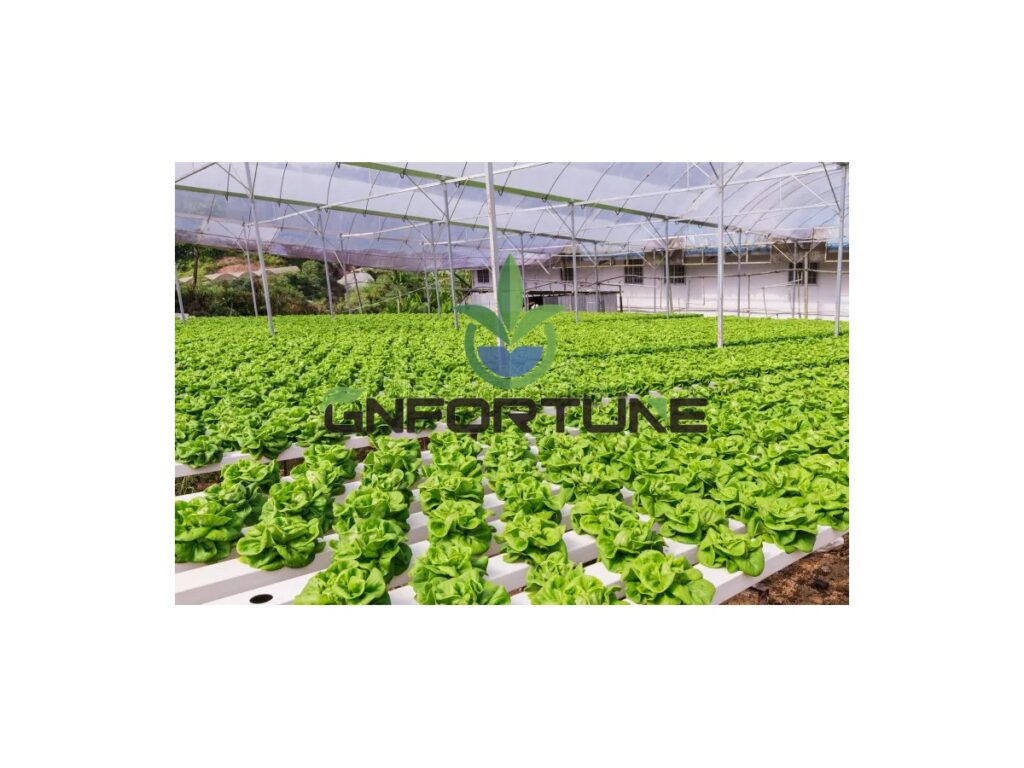
A lettuce crop is cut-and-come-again: take the outer leaves, the plant keeps producing, the channel clears in 35 to 45 days under a typical spring planting assumption. A heading brassica commits resources to one terminal structure, and once that structure forms the channel is finished. Four consequences follow:
- Root volume. A mature heading cabbage needs more root mass and solution volume than a 100×50 mm NFT channel was sized for. The channel that carries twelve lettuce carries two cabbages.
- Canopy and light. Broad brassica leaves shade everything below them. Once a canopy closes, lower leaves yellow.
- Feeding and pH drift. Heavier feeders over a long cycle, with fewer plants per channel to buffer the reservoir.
- Labour shape. One clean lettuce pass becomes selective leaf removal, head trimming and sorting at the bench.
Which brassicas work and which do not
Leafy and semi-leaf brassicas in hydroponics adapt to shallow solution systems; heading and stem brassicas need real root volume, and that is where hydroponic crop limits decide the answer.
| Crop | Realistic system | Planning cycle | Where it holds up |
|---|---|---|---|
| Kale, pak choi, tatsoi, mizuna | NFT channel | 35–50 days | Behaves like any other channel crop |
| Chinese cabbage | NFT or DWC | 45–60 days | Bolts if root temperature rises |
| Heading cabbage | Substrate bucket or deep DWC | 70–110 days | Possible, rarely beats soil per kilo |
| Broccoli | Deep substrate system | 80–130 days plus side shoots | Broccoli in NFT is a trial, not a line |
| Cauliflower, kohlrabi | Substrate system | 75–120 days | Demands light stability and head sizing |
These are planning assumptions, not guarantees: supplementary light in low-light months, a competent crop manager, day temperature near the 15–20 °C band most brassica projects target. Lose any of those and every cycle above lengthens.
System choice: NFT, DWC or substrate
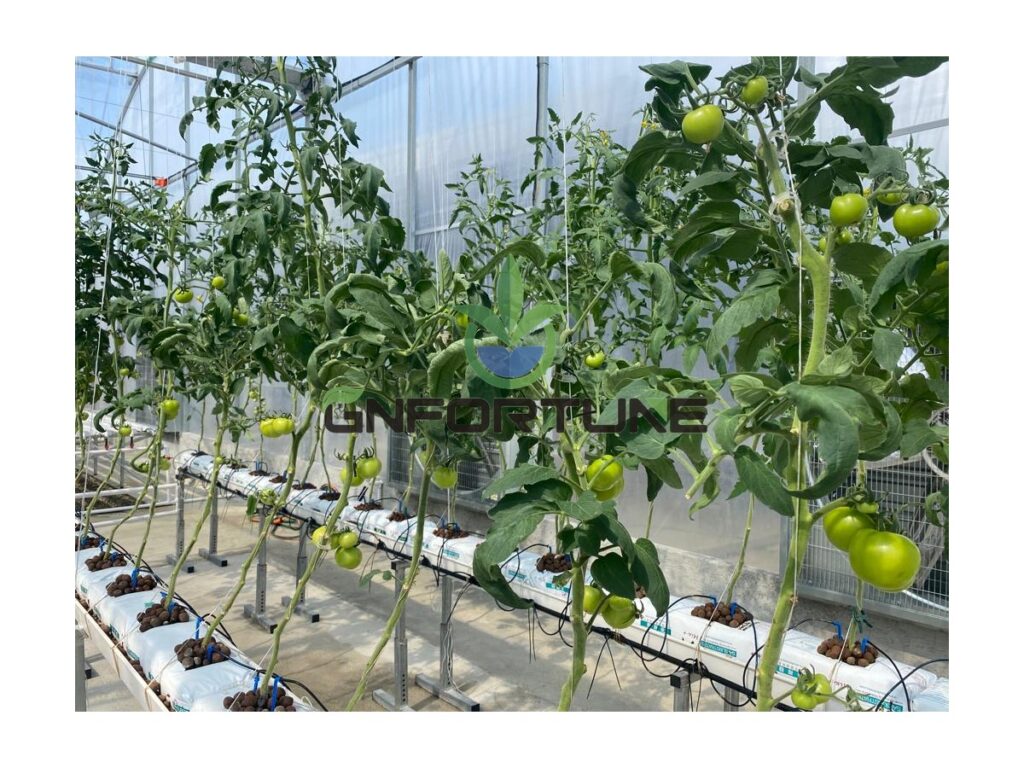
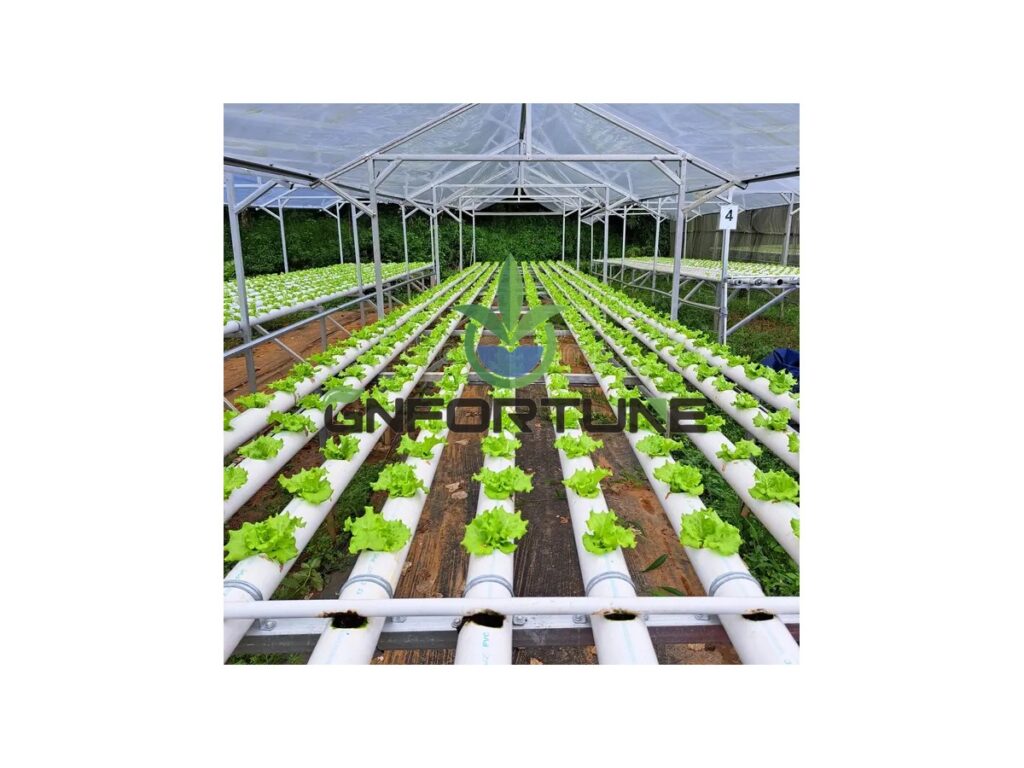
Match the system to root volume and harvest method. A kale hydroponic system on a standard NFT channel with an openable lid is a proven configuration, because the crop is cut above the rim and the root mat stays thin. Hydroponic cabbage production on the same channel is not proven: the plant tips, the lid fouls the leaf, and the channel has to be stripped by hand.
Deep DWC or substrate buckets solve root volume but move labour into moving plants, which changes the layout upstream. Settle that before freezing the racking — see our comparison of horizontal NFT versus A-type layouts.
Spacing, cycle length and canopy size
Brassica plant spacing is a yield decision. Tight spacing gives small heads and a humid microclimate that invites soft rot; wide spacing gives full-size heads and empty channel space. Neither end pays.
A workable starting point for hydroponic cabbage production in substrate is 20–25 cm between centres with 45–55 cm rows; for kale and pak choi in NFT, spacing sits around 20–25 cm in the channel, since the whole plant is harvested at once. The calculation method is set out in our article on plant spacing and density in hydroponics.
Track the percentage of channel surface shaded by leaf area, not plant count. A block that closes at week four under winter light has a bolting and disease problem waiting at week six.
Nutrition, temperature and quality risks
Brassicas feed hard for months, so reservoir management runs on a longer leash than a 40-day lettuce plan. Keep pH control active throughout, and set feeding against your own cultivar and light level — over-feeding a shaded crop produces soft growth that fails at the pack bench.
Temperature ends more brassica projects than nutrition does. Root-zone temperature matters more here than in fast leafy crops: a root mat sitting in warm solution triggers bolting in Chinese cabbage and pak choi, and stalls head formation in cabbage.
Write these into the sales spec, not only the grow spec:
- Tipburn in kale and pak choi, usually uneven calcium delivery rather than a simple shortage.
- Bolting driven by root-zone and ambient swings.
- Loose, small heads where spacing was set for a smaller cultivar.
- Buttoning in broccoli after early transplant shock or heat.
When to grow leafy greens instead
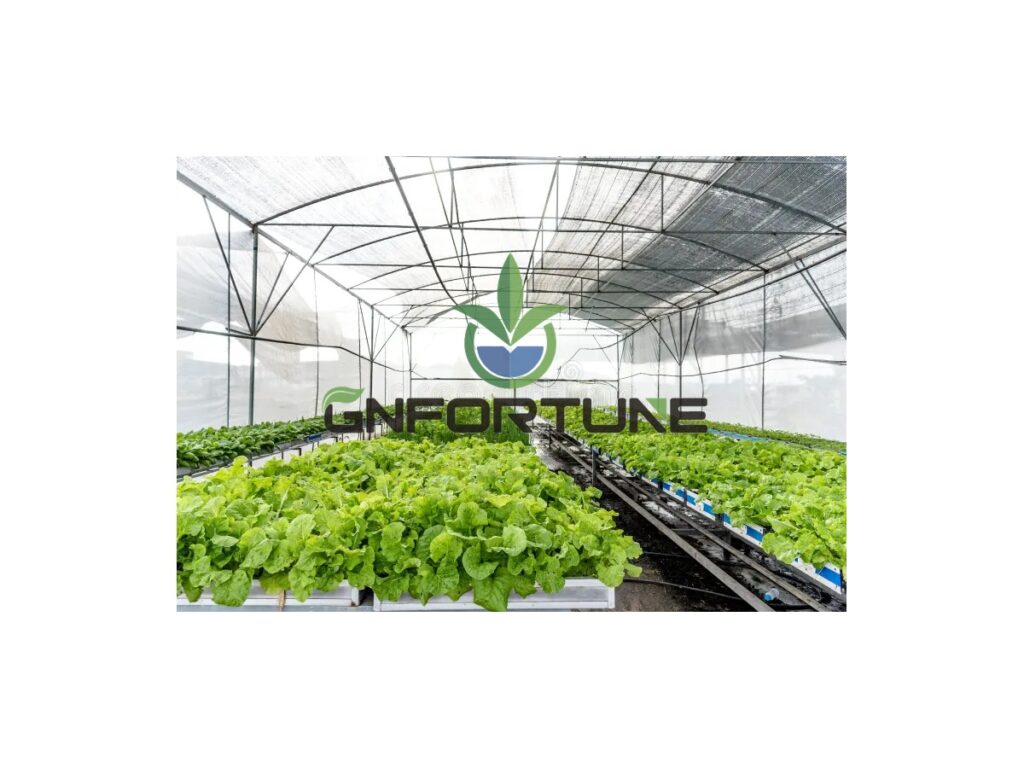
If the brief is a fixed channel footprint with daily output and short cycles, heading brassicas are the wrong answer: that bank carries two cabbages or twelve lettuce with three times the turnover. Hardy leafy brassicas are the middle ground — kale, tatsoi, pak choi and mizuna keep channel economics intact. See our guides to Asian greens in NFT, specialty greens in NFT and the best crops for hydroponic systems.
At G AND N FORTUNE LIMITED, brassica projects are usually quoted as a mixed block: leafy brassicas in NFT channels with an openable lid, plus a smaller deep-DWC or substrate area for heading types, trialled in our 2,400 m² test greenhouse before scaling.
FAQs About Brassicas in Hydroponics
Can cabbage be grown in NFT channels?
Technically yes, commercially rarely. A heading cabbage needs more root volume and solution than a 100×50 mm channel provides, so growth stalls mid-head and heads finish undersized. Small-leaf cabbage types and baby-leaf production are the realistic channel applications.
Is broccoli viable in NFT?
Broccoli in NFT is a trial rather than a production line. The main head can form, but the plant needs weeks of additional light after cutting for side shoots to reach saleable size, which holds the channel far longer than the crop plan allows. Deep substrate systems suit it better.
What spacing do brassicas need in hydroponic systems?
A planning starting point for hydroponic cabbage production in substrate is 20–25 cm centres with 45–55 cm rows, and roughly 20–25 cm in the channel for kale and pak choi. Confirm against the cultivar’s stated mature size and your light level rather than copying a number.
Why do hydroponic brassicas fail to size up?
Three usual causes: root volume smaller than the mature plant needs, shading from an over-closed canopy, or root-zone temperature pushing the plant into stress. Check root space and light first, because nutrition is the least likely explanation.
How long is a brassica cycle compared to leafy greens?
Leafy brassicas such as kale and pak choi run roughly 35–50 days under the assumptions above, close to lettuce. Heading cabbage runs 70–110 days from transplant and broccoli longer, so the same channel completes far fewer cycles per year.
Related Reading
- Asian Greens in NFT: Bok Choy, Tatsoi, Kale — Cycle guide for the brassicas most commercial farms already run in NFT
- Plant Spacing and Density in Hydroponics: Plants per Square Metre That Pay — Plants per square metre that pay, applied to a wider-canopy crop
- Tipburn, Bolting and Other Physiological Disorders in Hydroponic Crops — Bolting and the physiological disorders that end a brassica cycle early
- NFT vs DWC Hydroponics: Difference, Costs & Which to Choose — System-by-system difference in cost, root zone and crop fit
- Vegetables You Can Grow in Water: A Commercial Crop List — Commercial crop list for planning what else fits the same bays
Next Step: What to Send for a Quotation
Brassica quotations depend on crop mix and channel geometry more than any other crop we quote.
Send us: (1) growing area in m² or greenhouse span and length; (2) crop list with head-size preference; (3) target output in kg or crates per week; (4) climate data with summer peak and winter design temperature; (5) water pH, alkalinity and EC; (6) automation level — manual dosing, EC/pH control or full scheduling; (7) delivery date; (8) budget range. Ask for a Project Consultation if you want a trial block run alongside your main crop first.