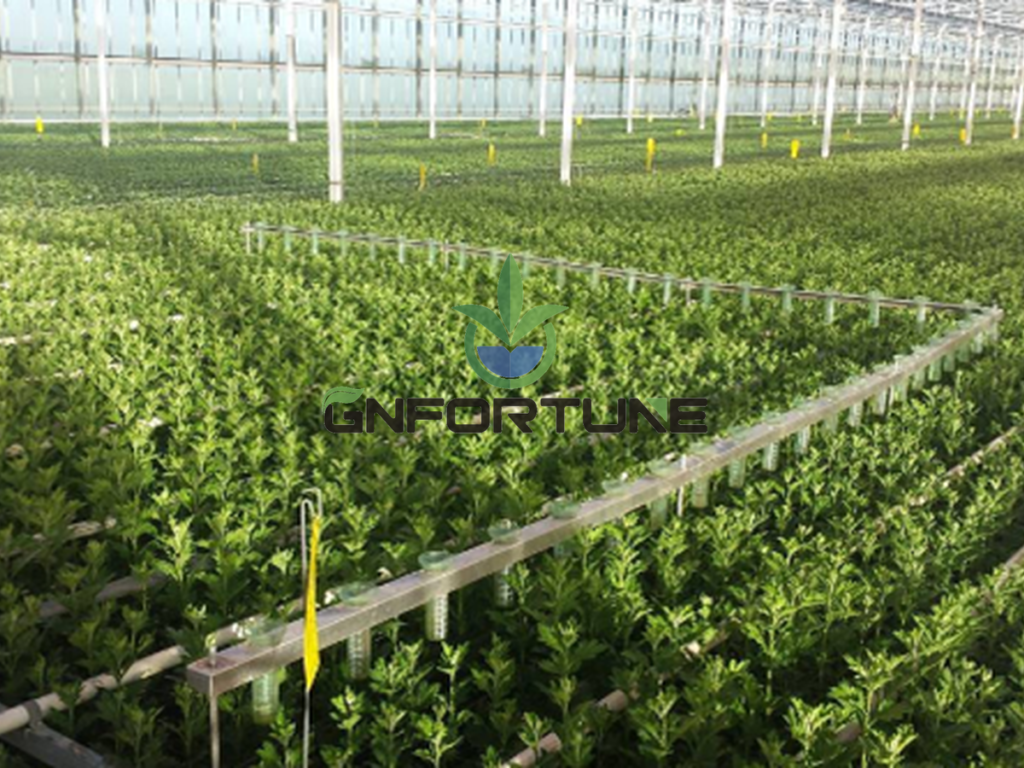
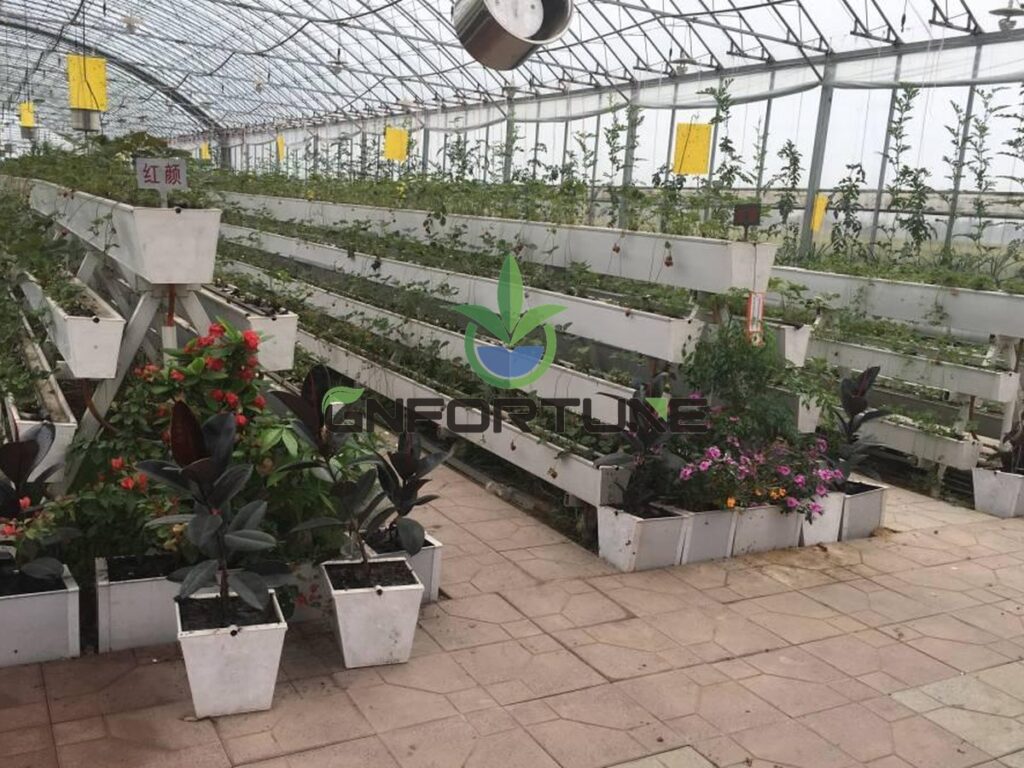
Every vegetable price list has a crop that sells at three or four times the price of lettuce, moves in small volumes, and never appears on most hydroponic farms. Snow peas and sugar snaps sit in exactly that position: premium pod prices, steady demand from Asian cuisine and premium retail, and a production window that fits the months when lettuce houses struggle anyway. The catch is a narrow temperature band and a disease that punishes crowded, humid canopies.
Pea shoots — the same plant family, harvested weeks earlier for leaf and tendril — are covered in their own article. This one is about running the crop all the way to the pod, and about testing it properly before a whole house commits.
What the Pod Crop Needs That the Shoot Crop Does Not
A pea shoot crop is done in 3–4 weeks; a pod crop runs 8–10 weeks from transplant to first pick under greenhouse conditions, and the plant that must flower and fill pods is far less forgiving along the way. Three requirements separate the two:
- Cool temperature all the way through: pod set wants a planning range of 15–22 °C day and 10–15 °C night. Warm nights push the plant to foliage and flowers drop un-set. This is why the crop suits winter and shoulder slots rather than summer houses.
- Real trellis, not a bench: pod peas climb 1.5–2 m and carry a top-heavy crop. Fine mesh netting between frames, or string lines, is part of the growing system rather than an accessory.
- Airflow around the canopy: the plant’s biggest disease risk, powdery mildew, thrives in still, humid air. Row direction, plant spacing and vent management matter as much as any spray program.
The premium at the end is real precisely because few growers clear these hurdles. Stringless sugar snap varieties and flat-pod snow peas of consistent grade sell to restaurants and premium retail at prices lettuce growers only read about — but only when the pods are young, uniform and unblemished.
System Choice and Trellis Layout
Pod peas work in substrate gutters, buckets or deep media beds — anywhere the root zone drains freely and supports 8–10 weeks of a climbing crop. They are less suited to NFT channels, where the shallow film and the mass of a mature pea vine fight each other.
Layout rules that pay off in practice:
- Rows 1.0–1.5 m apart, mesh between every row: a planning density of roughly 8–12 plants per square metre of bed, assuming vigorous varieties and a managed canopy. Denser rows mildew faster than they yield.
- Mesh at two heights: a lower layer at 40–50 cm catches early growth, the upper layer to 1.8 m carries the crop. Peas twine; they need grip, not smooth wire.
- Pick from both sides: plan aisle width so pickers reach the canopy centre without compressing it. A row crushed during picking holds humidity and becomes the mildew focus for the rest of the cycle.
- Keep the crop off the media: low mesh keeps pods straight and clean, and straight, clean pods are the grade.

Climate, EC and the Mildew Question
The crop’s climate band is its defining constraint. Snow peas and sugar snaps perform through the cool months in most temperate and highland sites, and through winter in mild-winter regions — while the same months slow lettuce and leaf crops to a crawl. That complementarity is the strategic case for the crop: it uses the house when the standard program does not.
| Parameter | Planning range | Assumptions and notes |
|---|---|---|
| Day temperature | 15–22 °C | Pod set declines sharply with warm nights; a cool house is the crop’s home |
| Night temperature | 10–15 °C | Short cold snaps tolerated; sustained cold delays flowering |
| Nutrient solution EC | 1.4–2.0 mS/cm | Substrate systems, moderate raw-water salinity; peas sit at the low end |
| pH | 6.0–6.8 | Peas tolerate a slightly higher pH than most greenhouse crops |
| Cycle to first pick | 8–10 weeks from transplant | Variety and season dependent; pick window then runs 4–6 weeks |
| Relative humidity target | Below roughly 80%, with airflow | Still, humid canopies drive powdery mildew; vents and spacing are controls |
These are planning ranges, not guarantees — variety, media and local climate move all of them. The humidity half of the table is where the crop is won or lost. Powdery mildew on peas is managed by prevention: open canopies, moving air, and vents run early in the day to purge humidity, following the logic set out in the humidity and VPD control guide. Once mildew establishes on a pod crop, the blemished pods have no market, so prevention carries the whole value of the block.
Picking Pace and Post-Harvest Handling
Pods move fast. At cool-season temperatures the pick window for a premium-grade pod is short: snow peas and sugar snaps are picked every 2 days at peak, and a missed round turns a premium pod into a discount one. Pickers work two-handed, snapping pods cleanly rather than pulling, and grading happens at the plant because flat-pod snow peas bruise easily later in the chain.
Post-harvest handling decides whether the premium survives the journey. Pods lose snap and sheen quickly at ambient temperature, so the block needs fast movement into cooling and a cold chain that holds. The standards in the post-harvest cooling and cold chain guide apply directly, and the pack format follows the retail or food-service spec described in the produce packaging guide.
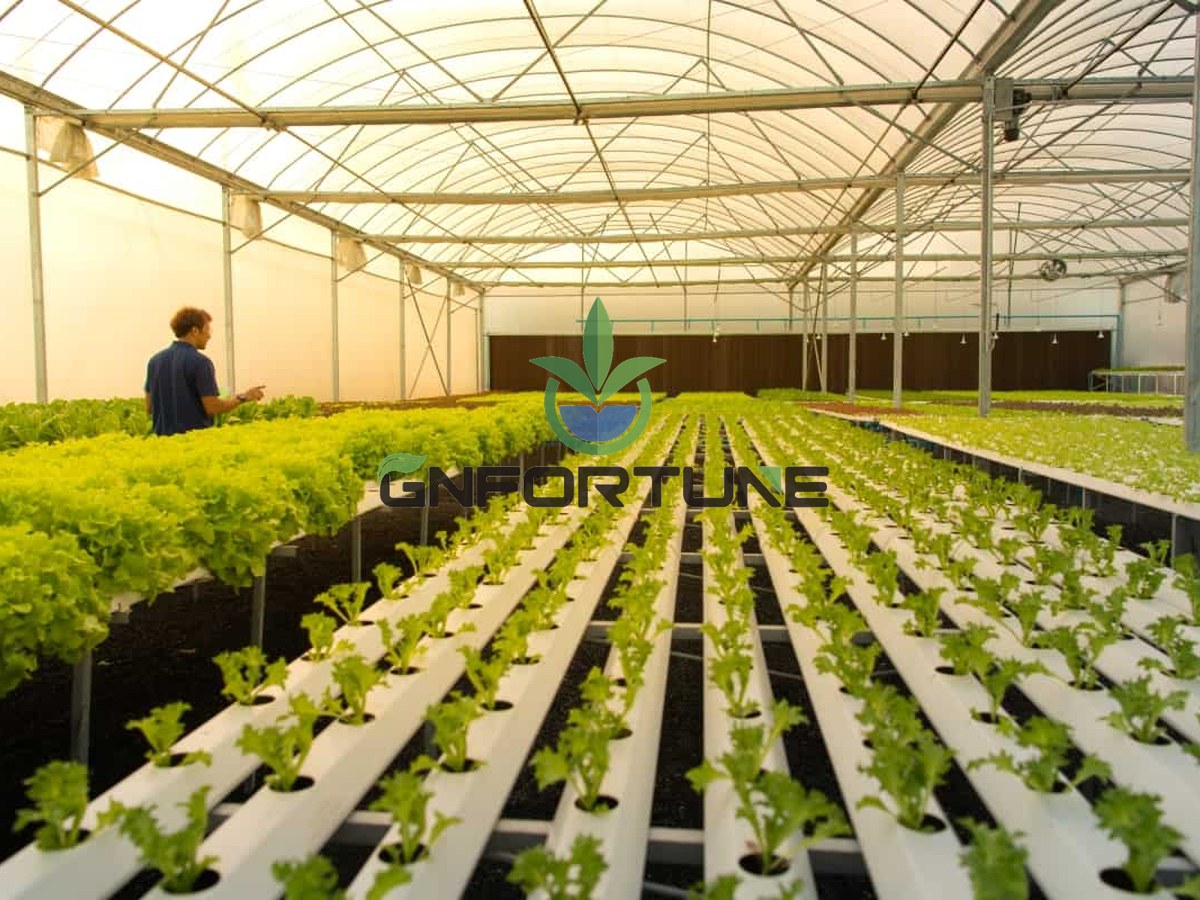
Run the Trial Before You Commit the House
The honest recommendation for snow peas and sugar snaps is a trial, not a conversion. One house section or one bench block, planted alongside the standard program, answers the three questions that decide the crop’s future on your farm:
- Can your house hold the climate band through the intended slot, without emergency heating or venting compromises that steal from other crops?
- Can your crew hold the pick pace every 2 days for 4–6 weeks, at grade?
- Will your market take the volume at premium pricing, week after week — or does the buyer want occasional cases?
Design the trial with replicates and a control block, and record market response with the same discipline as yield — the method is set out in the farm trials guide. A trial that yields beautifully but cannot sell at the expected price has still answered the question, cheaply.
Snow peas and sugar snaps earn their place through the cool months, at premium prices, in houses that can stay cool and move air — and they punish crowded, humid, warm blocks. Test a section, hold the pace, and the niche is genuinely worth the space.
FAQs About Snow Peas and Sugar Snaps
Can pod peas grow through a hydroponic summer?
Almost never profitably. Pod set collapses with sustained temperatures above roughly 25 °C, and warm nights push plants to foliage. The crop belongs in winter and shoulder slots; summer pod programs need cooled houses that rarely justify the cost.
What EC should the solution run for peas?
A planning range of 1.4–2.0 mS/cm suits substrate-grown pod peas, assuming moderate raw-water salinity. Peas sit at the low end of the crop spectrum and respond poorly to salty media, so drain EC should be watched rather than pushed.
How is powdery mildew managed without heavy spraying?
By canopy design: open rows, moving air, early-day venting to purge humidity, and variety choice. The humidity and VPD control guide sets out the environmental half; sprays are the last layer, not the first, because blemished pods already have no market.
How often do snow peas need picking?
Every 2 days at peak, for a 4–6 week window. Pods pass their premium grade quickly, and over-mature pods on the plant suppress further flowering. The pick pace is the main labour commitment of the crop.
Is it better to plant snow peas or sugar snaps first?
Plant whichever your buyer names. Snow peas suit stir-fry and Asian retail demand; sugar snaps suit snacking and premium salad lines. The growing system and climate band are the same, so the choice is a market decision, not an agronomic one.
Related Reading
- Hydroponic Pea Shoots: Growing Legume Shoots at Commercial Scale — The same plant family, harvested weeks earlier for shoots
- Greenhouse Humidity Control and VPD for Hydroponics — The environmental side of mildew prevention
- Post-Harvest Cooling and Cold Chain for Hydroponic Produce — Keeping the premium pod snap intact to the buyer
- Packaging Hydroponic Produce: Formats, Shelf Life and Retail Requirements — Pack formats for a delicate premium pod
- Running Trials on a Commercial Hydroponic Farm — How to structure the test block before committing a house
Next Step: What to Send for a Quotation
A pod pea trial block needs its own small kit — mesh, rows, and an irrigation zone that runs cooler and leaner than the lettuce program. Pricing it as an afterthought to the main system is how trials get built badly and read wrongly.
Considering a pod pea trial or a winter block? For an RFQ or project consultation, send: greenhouse dimensions and the trial section size; seasonal temperature and humidity data; target crop mix and slot in the rotation; raw water analysis; pick labour availability; intended sales channel and volume; delivery schedule; and the budget band. G AND N FORTUNE LIMITED supplies substrate gutters, bucket systems, trellis hardware and climate equipment quoted against those inputs.