

Media Is a Recurring Cost, and a Recurring Risk
Growing media is one of the few consumables on a hydroponic farm that is bought by the container-load and thrown away with the crop. On a large operation the annual spend is significant, which makes reuse an obvious target. It is also one of the fastest ways to carry a root disease from one crop into the next.
The question is not whether media can be reused — most of it can — but under what conditions the saving exceeds the risk. This guide covers the four common media types, the flush and sanitise routines, and the point at which replacement is the cheaper decision.
What Can Be Reused, and How Readily
| Media | Reuse potential | Main obstacle | Typical approach |
|---|---|---|---|
| Rockwool | Limited | Compression, fibre breakdown, salt accumulation | Often reused for a second short cycle, then discarded |
| Coco coir | Good, with treatment | Salt and sodium, decomposition over time, disease carryover | Flush, buffer and reuse for several cycles with testing |
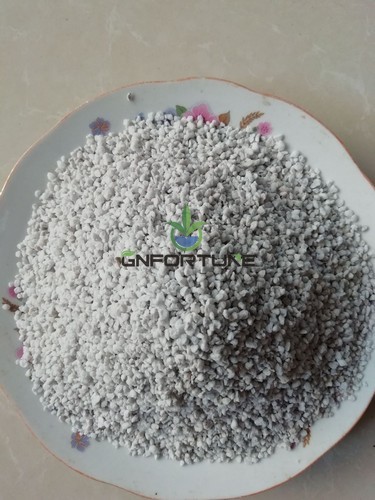
| Perlite | Good | Dust, fines, difficulty cleaning thoroughly | Sterilise and reuse where handling allows |
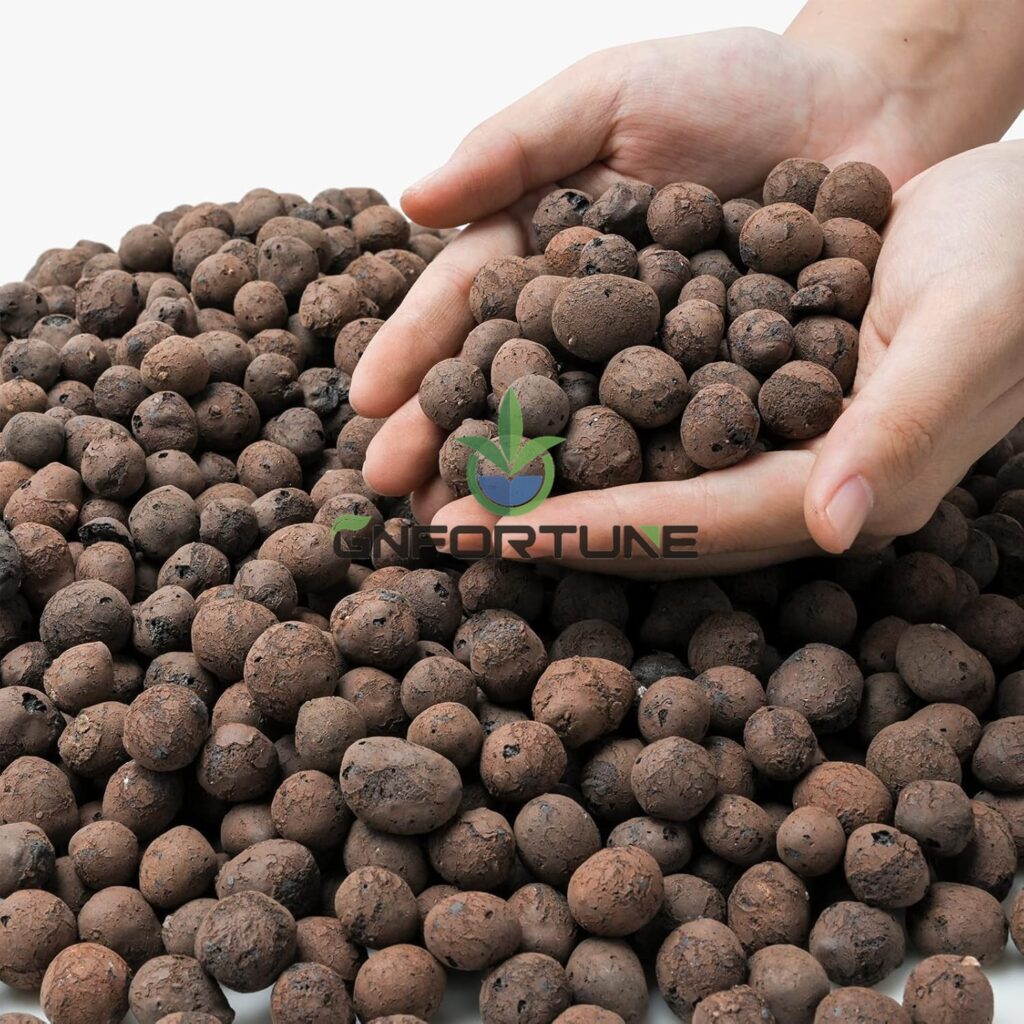
| Expanded clay pebbles | Excellent | Requires proper cleaning and sterilisation | Long service life; clean between cycles and reuse indefinitely with care |
| Peat mixes | Poor | Structure collapses, compaction, uneven drainage | Generally single-use in hydroponic systems |
| Foam and sponge plugs | Poor | Crumbling, impossible to clean fully | Single-use; treat as consumable |
The pattern is simple: inert, hard, granular media reuse well, and soft, fibrous or structural media do not.
The Reuse Routine
- Clear the crop residue. Remove roots, stems and any plant material. Root fragments are the main carrier of pathogens between cycles.
- Flush thoroughly. Run clean water through the medium until the runoff EC approaches that of the input water. Measure it — do not judge by volume of water used.
- Sanitise with an appropriate method. Options include steam, hot water, hydrogen peroxide-based products, and approved chemical sanitisers. Each has a contact time and a residue consideration.
- Rinse after sanitising. Especially where a chemical sanitiser is used; residual oxidiser damages roots at transplant.
- Re-buffer coco. Coir holds calcium and magnesium and has natural sodium; a calcium buffer before reuse prevents a lockout in the first weeks.
- Test before planting. Run a sample through a laboratory or a simple pour-through test for pH, EC and key ions. This is the step that turns reuse from a gamble into a decision.
- Record it. Cycle number, treatment applied, test results, and any disease history. Media with a disease history should be treated differently or discarded.
Never Reuse After These Events
- A confirmed root disease outbreak — Pythium, Phytophthora or Fusarium in the previous crop. The whole point of a media strategy is to break that cycle
- Unknown chemical contamination — a spill, an overdose or a mis-dosing event
- Structural collapse — media that has compacted or broken down so far that drainage and aeration are compromised
- Where food safety standards for your market require single use, or where a buyer’s specification says so
In each of those cases, replacement is cheaper than the crop loss that reuse invites.
Counting the Real Saving
| Cost of reuse | Cost of replacement |
|---|---|
| Labour to clear, flush and sanitise | Purchase price per unit of media |
| Water and sanitation consumables | Freight and storage |
| Testing per batch | Disposal of the old media |
| Yield risk if sanitisation fails | No yield risk from carryover |
| Reduced performance from degraded structure | Consistent performance |
| Storage space between cycles | No storage requirement |
On clay pebbles, reuse is almost always right: they last for years, and the treatment cost is small relative to replacement. On rockwool, reuse is usually a one-cycle decision: the second cycle is economical, the third rarely is. On foam plugs, reuse does not pay at any scale.
Media Strategy and Disease Control Belong Together
Reuse decisions sit inside the wider sanitation programme. Cleaning the system between cycles, sanitising irrigation lines, and managing media are the same job, and treating them separately is how a farm ends up with a clean pipe and an infected slab.
Practical measures that reduce reuse risk:
- Keep a media map. Know which bays use which batch, so a problem can be traced and contained
- Quarantine suspect batches. Do not mix freshly sanitised media with material of unknown history
- Sanitise irrigation between crops, not just the medium — the pipework carries the same organisms
- Store cleaned media dry and covered. Damp, open storage invites algae and fungal growth before the next cycle starts
FAQ
Can rockwool be reused?
For a second cycle in many cases, with flushing and sanitation, and only where the block or slab has not compressed. Beyond that, the structure degrades and salt accumulates, and replacement is the better decision.
How do I sterilise clay pebbles?
Flush thoroughly to remove root debris and salts, then treat with steam, hot water or an approved sanitiser, followed by a rinse. Because they are inert and durable, they tolerate repeated treatment well.
Can I reuse coco coir?
Yes, with care. Coco needs flushing, re-buffering with calcium and a pre-plant test for pH, EC and sodium. Decomposition over successive cycles is the limiting factor.
Does reused media affect my nutrient recipe?
It can. Reused media carries residual nutrients and can hold or release ions unpredictably, particularly calcium in coco. Many growers adjust the first irrigation of a reused cycle rather than treating it the same as fresh media.
Is reuse allowed under food safety certification?
Usually yes, provided it is risk-assessed and documented. What auditors object to is undocumented reuse, not reuse itself.
How long can I keep reusing the same media?
There is no single answer. Set a maximum number of cycles by media type, test at the start of each cycle, and replace on evidence rather than on habit — that combination satisfies both the budget and the auditor.
Build the Media Plan Into the Crop Cycle
Send us your media type, crop cycle length and sanitation constraints and we will return a reuse protocol with test points, treatment options and a replacement schedule. Start through the quote form.
Related reading: media and sanitation are one programme — see cleaning and sanitising between cycles and the guide to soilless substrates, and pair it with root rot control.