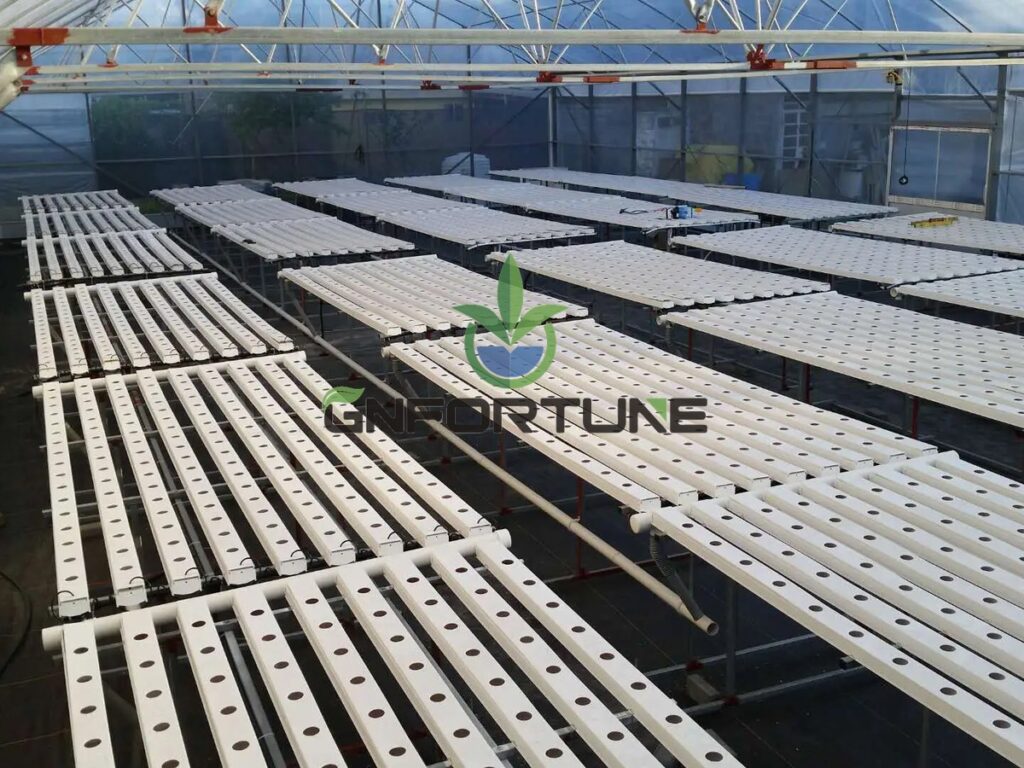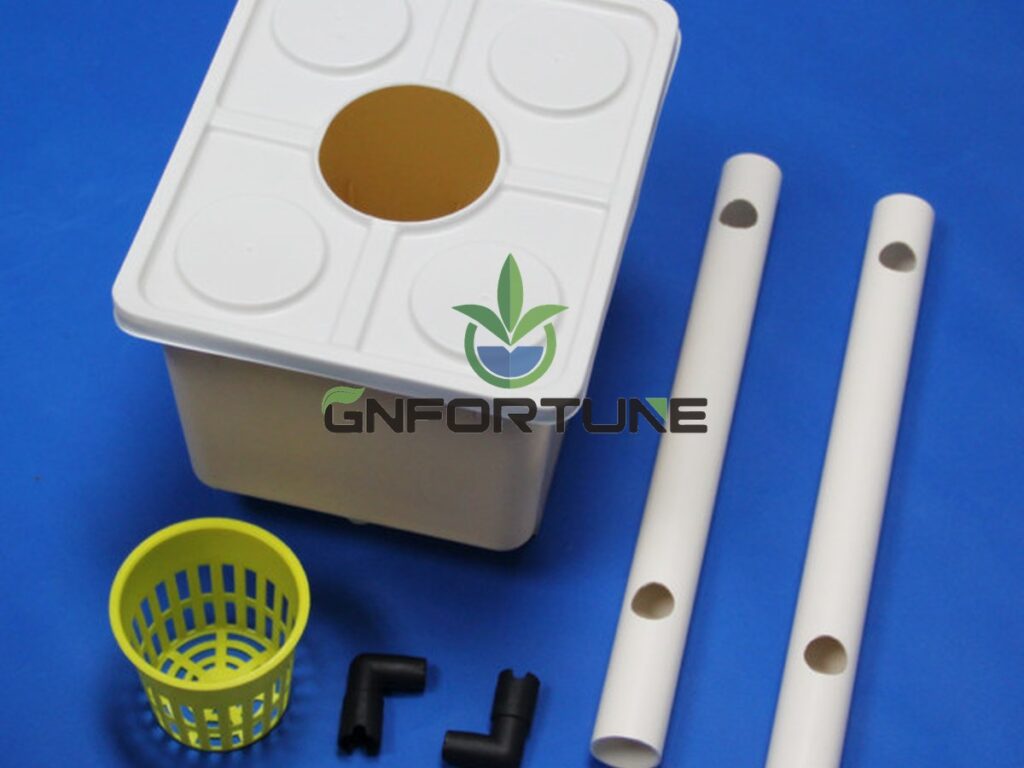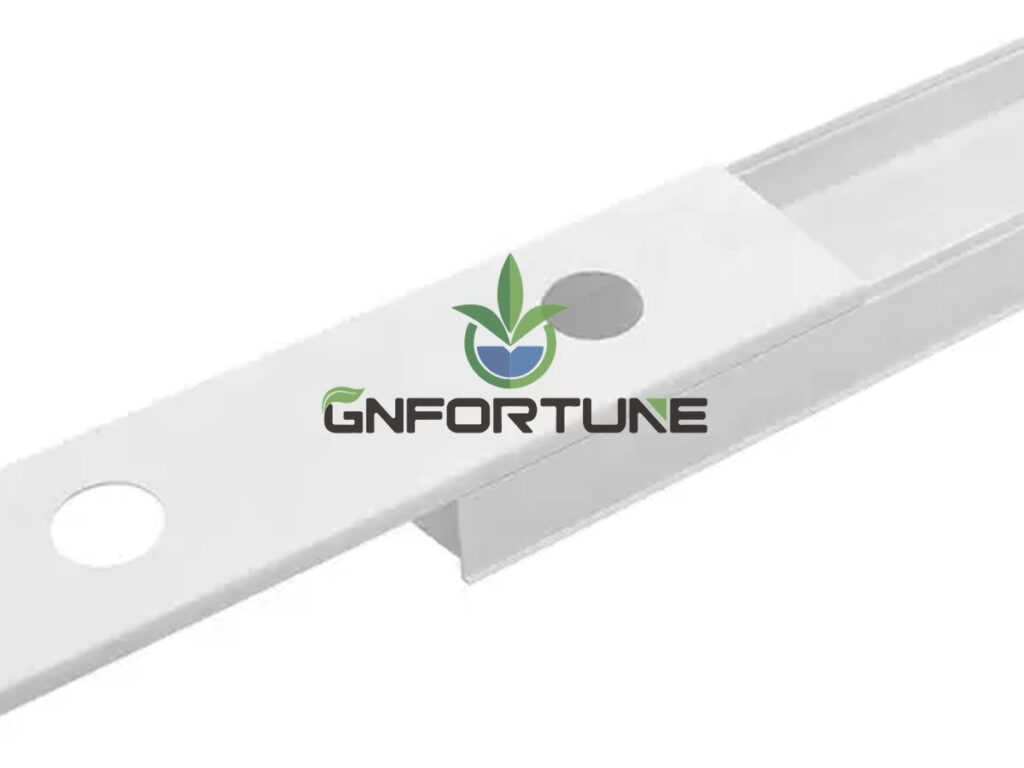
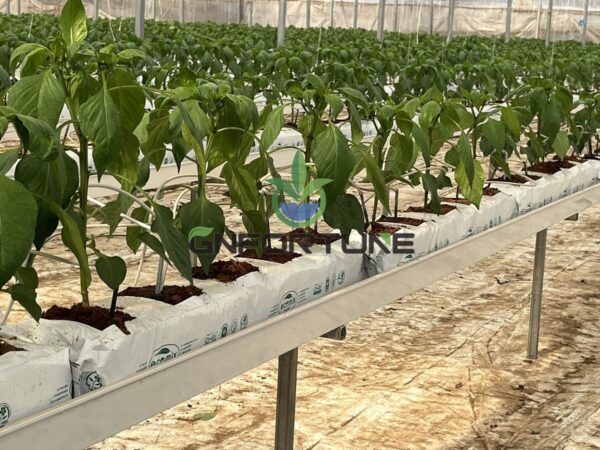
Pre-shipment inspection hydroponic equipment buyers pay for is not a quality programme — it is an evidence programme. It answers a narrow question at a useful moment: is what is about to be sealed into this container the thing described on the purchase order, packed to survive the voyage. It cannot rescue a poor specification, and it does not replace inspection on arrival. Paying for it is a comparison between the fee and the cost of finding the same defect after duty, inland freight and an installation crew have been booked.
Pre-Shipment Inspection Hydroponic Equipment: What It Covers and What It Does Not

A pre-shipment inspection verifies quantity, identity, visible workmanship and packing condition at a single point in time, against a specification the buyer has already supplied. It does not test how the equipment will perform over a cropping season.
Inspection types are worth separating, because buyers often ask for one and assume they are getting another:
| Type | Timing | What it is for |
|---|---|---|
| First-article or pre-production check | Before or at the start of the run | Confirms a new profile, new die or new mould produces to the approved drawing before the whole batch is made |
| During production (DUPRO) | Mid-run | Catches drift early, useful on long extrusion runs and large moulded batches |
| Pre-shipment inspection (PSI) | Goods packed, before container loading | Quantity, dimensions, workmanship, packing and marking — the standard commercial check |
| Container loading inspection | During loading | Container condition, quantity loaded, stowage, lashing and seal — the evidence a damage or shortage claim depends on |
What none of them do: verify UV stabiliser content, predict service life, confirm the irrigation design is correctly sized, or prevent substitution after the inspector leaves. Material declarations and batch traceability have to be obtained in writing, and the container sealed on camera.
Third party inspection China is normally charged per inspector-day plus travel, so the fee scales with scope rather than with order value. Compare it against the real downside: return freight is rarely economic for bulky channels, so a rejected shipment usually means rework on site and a delayed planting date.
Thresholds: When the Fee Is Worth Paying
Pay for third-party inspection when the cost of finding a defect after arrival exceeds the inspection fee by a wide margin. That margin is driven by four things: order value, SKU complexity, project timing, and how well the supplier is already known.
| Situation | Inspection stance | Reason |
|---|---|---|
| First order with a new supplier | Inspect | No delivery history; the fee buys baseline evidence |
| New profile, new die or first production of a custom part | First-article check plus PSI | Tooling errors repeat across the whole run |
| Container-scale project order | Inspect, with container loading check | Exposure is concentrated in one shipment |
| Mixed container, many SKUs | Inspect | Shortage and mislabelling risk rises with line count |
| Installation crew or planting date already booked | Inspect | Downtime cost dwarfs the fee |
| Repeat order, supplier with a clean recent record | Reduced scope or random inspection | History substitutes for some checking; keep a periodic check so standards do not drift |
| Low-value consumables replaceable locally | Skip | Replacement cost is below inspection cost |
Obtain a local quote for the specific checklist rather than budgeting from a percentage. Where a known supplier has delivered without findings, a reduced scope or a periodic check is usually enough; where either is absent, full scope is cheap against a delayed planting date.
Building the Inspection Checklist
The checklist for pre-shipment inspection hydroponic equipment has to be derived from the purchase order and the approved drawing, not from a generic template. A template produces a report that says everything is acceptable and protects nobody.
- Freeze the specification. Dimensional drawing with tolerances, material grade, colour, length, packing standard and label format — the same package that went out with the RFQ.
- Set equipment acceptance criteria. Name the sampling standard and level, with separate limits for critical, major and minor defects. Buyers commonly reference an attribute sampling standard such as ISO 2859-1 or ANSI Z1.4 at general inspection level II; confirm the level and limits with the inspection company and write them into the order.
- Define what counts as critical. Wrong profile or fitting, length outside tolerance, cracks or deformation preventing assembly, hole position out of tolerance, missing components.
- Agree a reference sample. An approved first-article piece held by both sides removes most arguments about “acceptable”.
- State the quantity method. Full count, bundle count with bundle-count verification, or weight check against a stated weight per metre.
- Specify the deliverable. Report format, required photographs, and the reporting window — the report is only useful if it arrives before the balance payment is due.
- Set the release rule. Who may authorise shipment and what happens on a fail, agreed in advance rather than under time pressure.
The same checklist is what the factory’s own team should be working to before the inspector arrives; the checks a manufacturer runs before dispatch are described in factory QC before an order ships.
Dimensional and Material Checks on Extruded and Moulded Parts
Measure the dimensions that affect assembly and function, not every dimension on the drawing. For extruded channels and gutters the list is short:
- Outer dimensions and wall thickness at more than one point along the length — thin sections are where cost cutting shows up.
- Length and end squareness, which decide whether the run closes at the far end of the bay.
- Straightness and bow over length, checked on a flat surface rather than by eye; bow becomes visible once rows are full of water.
- Hole position and diameter for inlets, outlets and planting positions, plus lid fit on openable channels.
- Weight per metre as a proxy for wall thickness consistency across the batch.
- Colour consistency and surface condition between bundles, since mixed batches install as visible variation down a row.
For moulded parts — Dutch buckets, end caps, fittings, gaskets — check wall thickness and weight, flash and short shots, thread fit, gasket seat condition, and drain or overflow dimensions. Impact and drop behaviour are design tests, not field checks; ask for the test report.
Material composition cannot be verified with callipers. UV stabilisation, resin grade and recycled content have to come as a written declaration tied to a batch code, and that code should appear on the packing.
Packing, Labelling and Container Loading Evidence
A packing and loading check costs little and produces the photographs an insurer or a supplier will ask for months later, because loading is the last moment the supplier still holds the goods.
- Packing. Bundle and carton counts, protection against deformation — long channels stacked without support deform under their own weight and strapping — plus dunnage and moisture protection.
- Labelling. SKU code, profile name, length, quantity, batch code and order number, matching the packing list line by line.
- Empty container condition. Photographs of floor, walls, door seals and any odour before loading.
- Load progression. Photographs at one-third, two-thirds and full, showing stowage and weight distribution.
- Sealing. Door-open and door-closed photographs, container and seal number recorded, seal applied on camera.
- Short shipment. Anything not loaded is recorded on the day, not discovered from the bill of lading.
Loading in rain or at night with poor lighting is worth noting in the report. Document consistency matters as much as the inspection — the packing list, invoice and bill of lading should be reconciled as set out in checking shipping documents.
Handling Failures, Claims and Rework
A pre-shipment inspection hydroponic equipment report normally lands in one of three outcomes: pass, pass with observations, or fail with shipment held. Decide the commercial consequence of each before the inspection happens.
- Fail. Rework and re-inspection, sort and replace, ship with a payment holdback, or cancel — the response should follow the defect class, not the calendar.
- Who pays for re-inspection. Commonly the supplier on a fail and the buyer on a pass; state it explicitly, along with who carries the delay.
- Payment linkage. Releasing the balance payment against an accepted inspection report is the lever that makes the inspection meaningful.
- Evidence chain. Report, dated photographs, packing list, bill of lading and insurance documents belong in one folder; claims fail more often from missing evidence than weak arguments — see freight insurance and damage claims on equipment orders.
- Arrival is a second gate. A clean report does not remove inbound QC: transit damage and short loading still get checked when the container opens, as set out in inbound QC: checking equipment on arrival.
- Warranty and spares. A defect rate found at inspection is the best available estimate of what will need replacing later, so it should feed the spares allowance; wording is covered in warranty, after-sales and spares clauses.
FAQs About Pre-Shipment Inspection for Hydroponic Equipment
Is pre-shipment inspection the same as inbound QC?
No. Pre-shipment inspection checks goods before they leave the factory; inbound QC hydroponics checks them when the container arrives. A clean pre-shipment report does not cover transit damage or short loading, so both gates are needed.
What order value justifies a third-party inspection?
Value alone is a weak trigger. A container-scale first order, a custom profile, a mixed container with many SKUs, or a shipment tied to a booked installation date all justify it; a repeat order of consumables generally does not.
What sampling level should be specified?
Name the standard, level and limits per defect class in the order, and confirm them with the inspection company. Buyers commonly work to an attribute sampling standard at general inspection level II, with tighter limits for critical defects.
Can an inspector verify material grade or UV stabilisation?
Not with site tools. Material grade, UV stabilisation and recycled content have to come as a written declaration tied to a batch code, and that code should appear on the packing.
What happens if the inspection fails close to the shipping date?
The pre-agreed outcome applies: rework and re-inspection, sort and replace, ship with a payment holdback, or cancel. Agreeing this — including who pays for re-inspection — prevents the decision being made under schedule pressure.
Related Reading
- Factory QC for Hydroponic Equipment: What Gets Checked Before an Order Ships — What gets checked at the factory before an order ships
- Inbound QC: Checking Equipment on Arrival — Inbound QC: the checks that follow your pre-shipment inspection
- First Article Approval: Golden Sample and Checks — First article approval and the golden sample as a reference
- How to Read a Supplier’s CAD Drawings and Datasheets — Reading a supplier’s CAD drawings and datasheets against the checklist
- Hydroponic Equipment Warranty, After-Sales and Spares Clauses: What to Negotiate — Warranty, after-sales and spares clauses to negotiate alongside inspection
Next Step: What to Send for a Quotation
Inspection scope is priced from the specification, so the drawing set that goes out with the enquiry is the set the inspector will later work to. Buyers who request inspection after the order is placed usually discover the tolerances were never written down.
For a project quotation, send: site or greenhouse dimensions and layout drawing, system type and quantity per SKU or total metres, whether profiles are standard or custom, material, colour, packing and labelling requirements, destination port, target date and budget range. State at enquiry stage if a third-party pre-shipment or container loading inspection will be required, so drawings, tolerances and batch coding are agreed before production. G AND N FORTUNE LIMITED manufactures NFT channels, Dutch buckets, DWC and substrate gutter systems with in-house extrusion and injection capacity, and quotes against project parameters.