

When an order leaves the factory it stops being reversible. A weak batch of channels discovered in another hemisphere costs a season; the same batch caught at the loading dock costs a weekend. That asymmetry is why hydroponic equipment quality control is organised in layers — and why buyers should understand which layer catches what.
This guide sets out the checks a disciplined factory runs before an order ships, the documents that should travel with the goods, and how third-party inspection fits in.
What Are the Three Layers of Factory QC?
Quality control for manufactured hydroponic equipment works in three stages, each with a different purpose: incoming material checks stop bad inputs, in-process sampling keeps the line honest, and pre-shipment inspection is the last gate before the container closes.
| Layer | Checks | Catches |
|---|---|---|
| Incoming materials | Resin lot verification, compound certificates, moisture and condition checks before feeding | Wrong or degraded raw material entering production |
| In-process | Wall thickness and profile sampling at set intervals, surface and straightness checks at the line | Dimensional drift before a full batch is made |
| Pre-shipment | Sampling against the order spec, quantity and packing verification, document check, container condition and loading supervision | Packing damage, short or wrong counts, paperwork gaps |
The layers are not redundant. Skipping incoming checks to save an hour means defects are found after the batch exists; skipping pre-shipment means problems are found by the customer instead.
What Is Actually Measured on NFT Channels Before Dispatch?
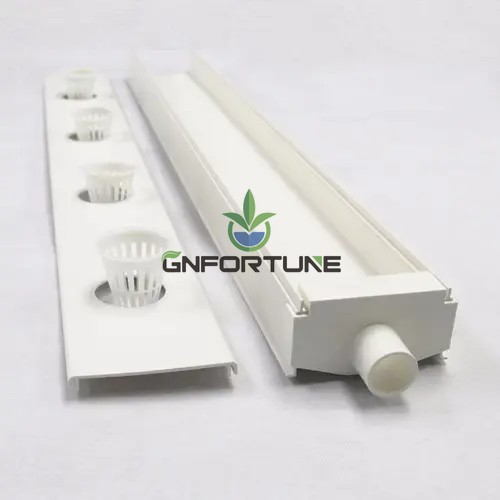
- Dimensions: profile width and height, wall thickness at multiple points, planting-hole diameter and spacing against the order drawing.
- Straightness and fit: sample lengths laid flat; lids seated by hand; end connections tried together.
- Surface and colour: consistent colour batch-to-batch, no streaks, burns or visible flow marks on the inner wall.
- Cleanliness inside the channel: blown out and capped so no swarf or dust ships inside — whatever is in the channel on arrival goes into your nutrient loop.
- Batch records: production date and line recorded per bundle, so a field complaint traces to a compound lot.
For moulded parts the equivalent list is rim integrity, level seating, and consistency across cartons. The principle is the same: measure the properties that fail in the field, not the ones that are easy to tick.
How Are Orders Packed and Verified Before Loading?
Packing is part of quality, not logistics. Channels ship with end caps or wrap, bundled to the length that survives handling, with moisture barrier protection for ocean transit. Cartons of moulded parts are counted against the packing list, and the loading plan is drawn before the container arrives — heavy items on the floor, channels braced to avoid bowing, weight distributed across the axle lines.
Final verification then covers the unglamorous set: quantities against the packing list, marks and labelling against the customer’s requirements, document completeness, and photos of the loaded container for the customer’s records. A container that arrives countable, dry and unbowed is the visible result of this stage.
What Documents Should Travel With the Shipment?
- Packing list matching the commercial invoice, carton by carton.
- Product datasheets: compound, wall thickness, dimensions for the exact profile shipped.
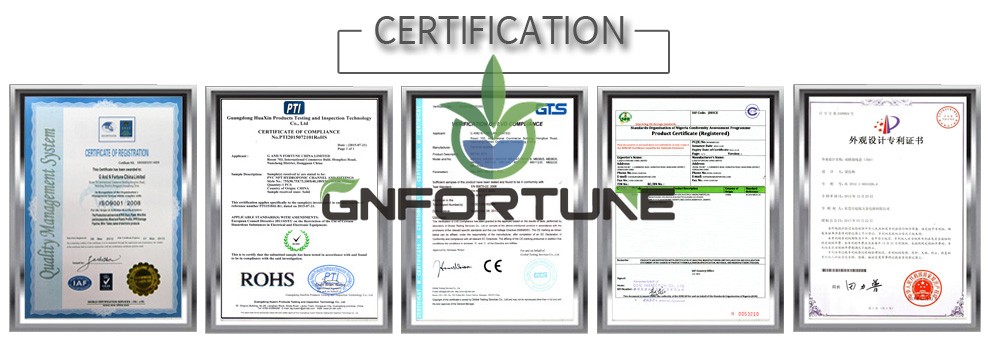
- Material compliance statements where agreed — RoHS-type declarations for the channel compound.
- Assembly instructions and any agreed spares list.
- Batch/production records available on request, so traceability survives the journey.
Buyers running audits later will ask for exactly these. Shipment documentation is also what lets your own food-safety paperwork start on a sound footing.
Should I Hire a Third-Party Inspector?
For first orders and large orders, yes — and a factory confident in its QC will accommodate one without friction. An independent inspector verifies against your agreed specification: sample measurements, counts, packing and loading photos. The cost is trivial against the order value, and the report converts “trust us” into evidence. Established manufacturers treat inspector visits as routine; a supplier who resists one is telling you something.
FAQs About Hydroponic Equipment Quality Control
What QC checks matter most for NFT channels?
Wall thickness consistency, straightness over the full length, lid fit and inner-surface cleanliness. These four predict every common field failure — sag, rocking, leaks and contaminated solution. Nominal dimensions matter less than consistency, which is why sampling at intervals beats a single end-of-line check.
Can I request a pre-shipment inspection report?
Yes. Standard practice is a report with photos covering sampled dimensions, quantities, packing and the loaded container. Third-party inspectors are welcome for first and large orders, and the factory provides space and handling for the check. Ask for the report format before production so both sides agree what “pass” means.
What happens if a defect is found after delivery?
Batch traceability is what turns a complaint into a fix: production records identify the affected lot, the batch quantities bound the replacement scope, and the corrective action feeds back into the process. This is the practical reason batch records exist on every bundle, not just in a quality manual.
How is equipment protected during ocean freight?
Channels ship bundled with end protection and moisture barrier; cartons are stacked per a loading plan that braces channels straight and distributes weight. Photos of loading are part of the standard record. Damage claims are rare when these steps run — and almost always traceable when they are skipped.
Do certifications transfer to my import paperwork?
Material declarations and compliance statements supplied with the order support your import and food-safety documentation, but they do not replace certifications required by your own market’s authorities. Confirm which declarations you need at order time so the correct documents ship with the goods rather than after them.
What to Send When You Request a Quotation
Send your order contents, destination port and any inspection or documentation requirements, and we will confirm the QC plan, packing standard and document set with the quotation: contact our team.
Related reading: run your own checks with the factory audit checklist, plan the loading in container loading and MOQ math, prepare arrival checks from the import buyer’s checklist, and see what commissioning adds in site acceptance testing.