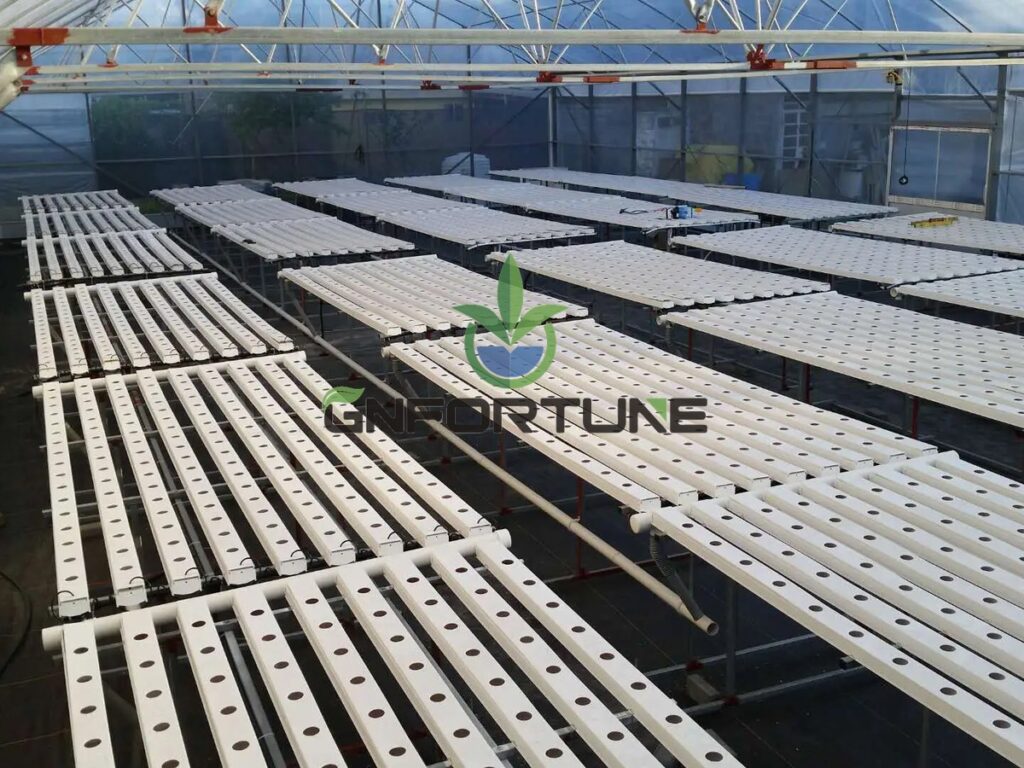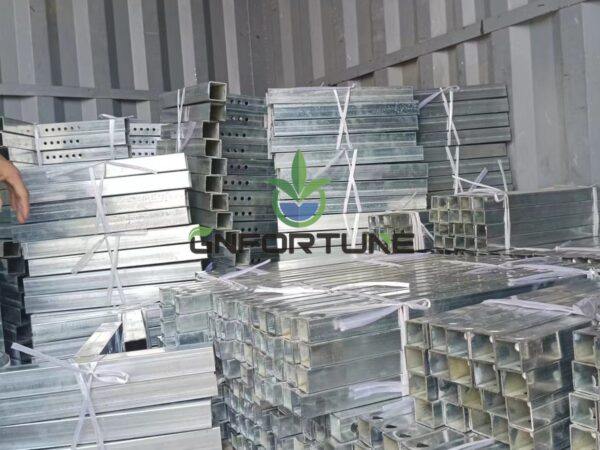
A grower running three sites, or one site adding a house every eighteen months, does not want to run a full tender for every order. Framework agreement equipment supply sets the commercial terms once — price mechanism, specification, lead time, payment — then releases equipment through call-off orders as the programme needs it. The gain is not a headline discount. It is that the fourth order arrives with the same profile, the same batch records and a production slot reserved before the season started.
This article covers the multi-site, phased and replenishment cases: how to choose the pricing mechanism, what volume bands and call-off minimums do to cash and freight, and how to keep a specification frozen across years. Terms for a single order — payment, price adjustment, currency — are handled in their own guides.
What Framework Agreement Equipment Supply Commits Each Side To
A framework commits the supplier to terms, not to a quantity. The buyer commits to nothing until a call-off is issued, unless a minimum volume or take-or-pay clause is written in. That asymmetry is the point of the instrument, and the first thing to check before signing.
Three instruments get confused in procurement documents:
| Instrument | What it fixes | What it obliges | Typical use |
|---|---|---|---|
| Framework agreement | Terms, specification, price mechanism, lead time | Supplier to supply if called off; buyer free to buy nothing | Multi-site or multi-year programmes |
| Blanket purchase order | Total quantity and price over a period | Buyer to take the stated quantity, or pay for it | Known annual volume, one site |
| Single contract | One scope, one price, one delivery | Both parties, once | A single house or retrofit |
If a supplier asks for a minimum annual quantity, that is a blanket purchase order wearing a framework’s clothes — legitimate, but it belongs in the cash forecast as a liability, not an option.
Check two clauses early: whether the buyer may source elsewhere if a call-off date is missed, and whether the supplier must quote spares for the life of the equipment. Without the first, a framework becomes a lock-in.
When Repeat Buying Justifies the Paperwork
A long-term supply agreement earns its keep in three situations: a multi-site build, a phased expansion, and steady replenishment of spares or consumables.
- Multi-site rollout: one house design repeated across several sites, where consistency of profile matters more than the last point of price.
- Phased expansion: capital releases one house a year, and house two has to match house one physically, including lids, end caps and spare fittings.
- Consumables and spares: net pots, plugs, clips and end caps, where the administrative cost of a purchase order can exceed the value of the goods.
It rarely repays on a single house bought once. The legal and administrative overhead, plus the risk of fixing a price mechanism before the design is stable, usually outweighs the benefit; a clean single contract with good spares terms is the better instrument. Where the programme is genuinely staged, the phasing logic sets the sequence the agreement has to serve.
Pricing Mechanisms: Fixed, Banded or Indexed
Choose the mechanism from the term length and the volatility of the cost drivers. A term under about six months can usually be fixed; anything over a year needs a formula, because no supplier carries resin, steel and freight risk for free.
| Mechanism | How it works | Suits | Watch for |
|---|---|---|---|
| Fixed price per item | Price held for the term | Short terms, stable input costs | Supplier builds contingency into the number |
| Volume band pricing | Unit price improves as cumulative volume crosses thresholds | Programmes with predictable build-out | Bands measured on forecasts rather than actuals |
| Index-linked | Price adjusts against a published index for resin, steel or freight | Two to five year agreements | Index choice, review frequency, caps and floors |
| Cost-plus | Documented input cost plus an agreed margin | Custom profiles and OEM tooling | Audit rights, and how cost is defined |
Whatever the route, write down the review date, the evidence required and the notice period. The clause mechanics sit in price adjustment and currency clauses; the framework decision is which mechanism applies to which product group.
Mixed agreements are normal: fix the consumables, index the extrusions, quote steel per phase. Forcing one mechanism across the whole bill of materials produces a supplier pricing for the worst case.
Volume Bands and Call-Off Minimums
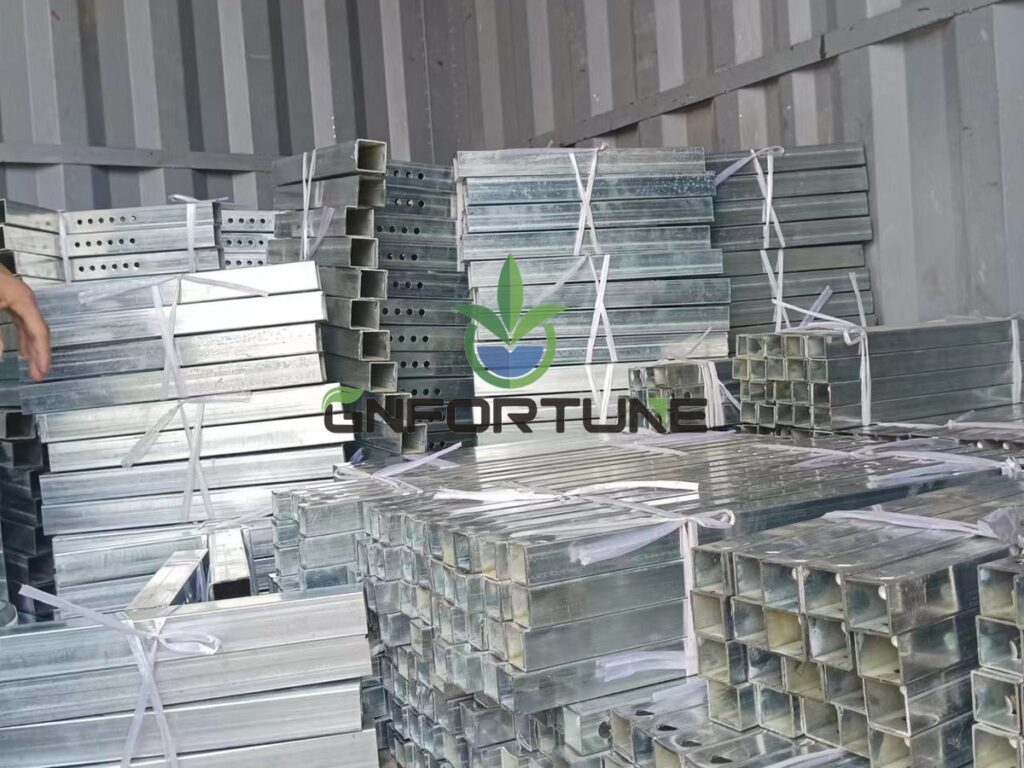
Bands should be measured on rolling twelve-month actuals, and call-off minimums on what the production line and the container can absorb.
An extrusion run has a minimum economic length; a container has a fill limit. Below either, unit cost rises and the supplier recovers it in a surcharge at release. A minimum stated in metres or pallets is easier to administer than one stated in value. Settle four points in the schedule:
- Whether the minimum applies per line item or per call-off.
- Whether spares and accessories count towards it.
- What happens below the minimum: surcharge, deferral, or consolidation with the next release.
- How the band is measured — cumulative since signature, or rolling twelve months. The difference changes what you pay in year two.
Container loading maths decide more of this than negotiating skill. On a repeat equipment order, a call-off that half-fills a container pays for air, and that cost lands in the next order’s unit price.
Production Slots, Lead Time and Priority
Price is not the only thing a framework buys. A repeat buyer needs a place in the production schedule, written as a mechanism rather than promised as goodwill.
The workable arrangement is a rolling forecast with a firm window: three months firm and six months indicative, reviewed monthly, with call-offs inside the firm window confirmed against reserved capacity. Where the programme is seasonal, a capacity reservation fee may be the only way to hold a slot through the peak.
State lead time per product group rather than one number for the whole agreement, and state what happens when a call-off arrives late or early. A late change pushes the order behind others; an early release needs storage the buyer has not built. The structure behind those numbers is in equipment lead times.
Keeping the Specification Frozen Across Orders
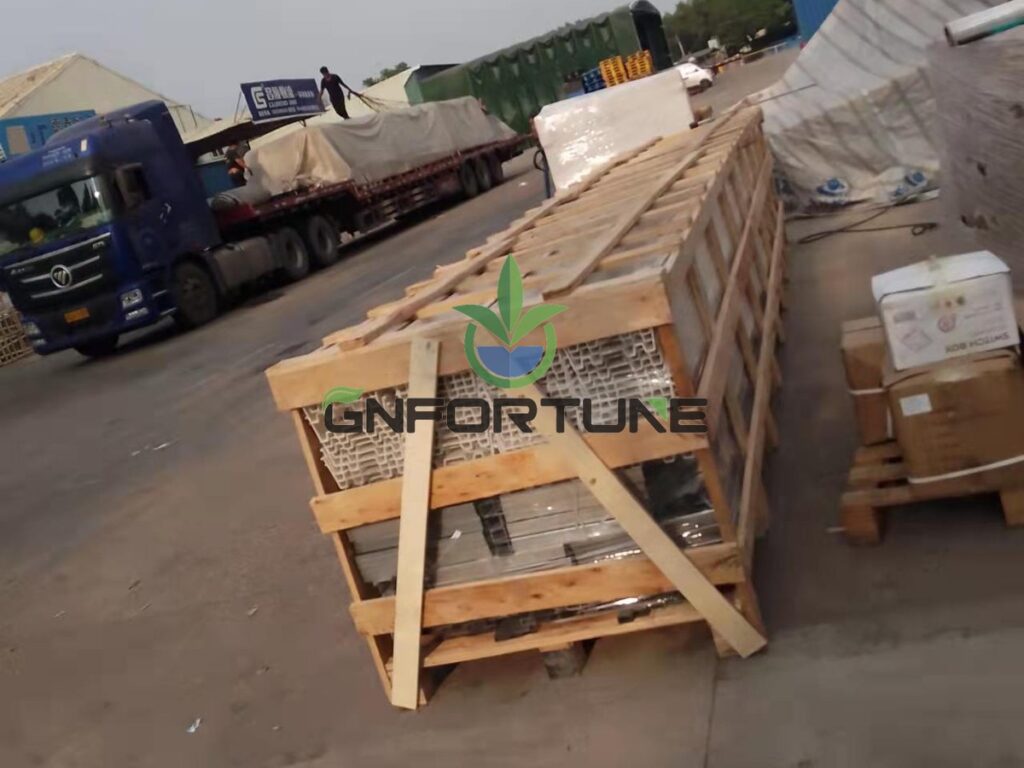
The second order is where frameworks fail quietly. A profile is revised, a colour batch drifts, a lid changes hinge design, and the new house no longer matches the old one.
- Attach the drawing, material specification and tolerance sheet as controlled documents with revision numbers.
- Require written engineering change notice, with a stated notice period, before any change to a supplied part.
- Agree what happens to spare compatibility: either the change is backward compatible, or the supplier holds stock of the superseded part for an agreed period.
- Confirm tooling ownership where the profile is custom, and what happens to the tool at the end of the term.
Colour and UV package matching deserves its own line for visible equipment. Two houses side by side in visibly different greys is a small problem the client notices on every site visit.
Running the Agreement After Signature
A framework is a management instrument, not a filing. It needs a review rhythm, a price review calendar and a record of how each release performed.
- Quarterly review of actual against forecast, with the band position stated in writing.
- Annual price review on the date in the agreement, using the evidence the agreement specifies.
- A supplier scorecard covering on-time delivery, quality rejects and response time.
- An exit path: notice period, treatment of open call-offs, and the obligation to supply spares.
Where the programme relies on a few long-lead components, tie the review to the spares and maintenance plan so stock and releases are planned in one meeting rather than two.
FAQs About Framework Agreements and Call-Offs
Is a framework agreement legally binding?
It binds the terms and normally obliges the supplier to accept compliant call-offs. The buyer is bound only where a minimum quantity or take-or-pay applies.
How long should a framework run?
Two to three years is a common planning range, often with an extension option. Longer terms need an index mechanism and a firm review date; shorter terms avoid lock-in but weaken the volume position.
Does a framework guarantee a lower price?
No. It buys priority, specification consistency and administrative saving. The price benefit depends on whether volume is genuinely committed and bands are measured on actuals.
What is the difference between a blanket purchase order and a framework?
A blanket purchase order commits to a quantity; a framework commits to terms. The first is a liability on the balance sheet, the second an option, and mixing them up is how buyers pay for equipment they never take.
Can a new site be added to an existing framework?
Usually yes, if the agreement defines scope by product and specification rather than by site. Confirm that bands aggregate across sites, otherwise each new site restarts at the bottom band.
Related Reading
- Payment Terms for Equipment Orders: T/T, L/C, D/P — T/T, L/C and D/P terms on repeat orders
- Price Adjustment and Currency Clauses in Equipment Contracts — Price adjustment clauses over a multi-year supply period
- Hydroponic Equipment Lead Times: Full Path — The full lead time path, and why call-off slots matter
- How Hydroponic Equipment Ships: Container Loading, MOQ Math — Container loading, MOQ maths and freight per call-off
- Commercial Hydroponic FAQ: MOQ, Wholesale, Shipping & Customization — MOQ, wholesale, shipping and customisation questions buyers ask
Next Step: What to Send for a Quotation
Framework agreement equipment supply is priced from a programme, not from a single bill of materials. Suppliers asked to price a repeat order without quantities, sites and timing will price the risk instead of the equipment.
Setting up a repeat supply arrangement? For RFQ or project consultation, send: greenhouse dimensions and growing area per site; number of sites and the build sequence; crop plan and target grade; target weekly or annual output; local climate and raw water analysis; automation level; the product groups on the framework (channels, gutters, structures, irrigation, spares); forecast volumes and call-off cadence; delivery schedule; and budget band. G AND N FORTUNE LIMITED quotes NFT channels, DWC systems and greenhouse packages as programme pricing with volume bands, call-off minimums and reserved production slots stated on the offer.