
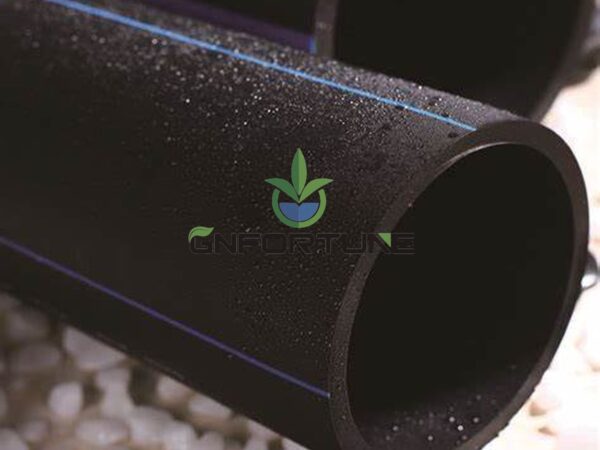
A channel cracks three months after installation. The crew photographs it, fits a replacement from stock and throws the failed section away. By the time the supplier is contacted, the only evidence left is a photo with no batch number, and the claim turns into a conversation about goodwill. The equipment warranty claim process is decided in the first forty-eight hours, by what was recorded before anything was moved.
This article covers the process after the failure: what to capture, when and how to notify, how responsibility is allocated between transit, installation and operation, how to escalate past the first-line answer, and what each settlement form actually gives you. What to negotiate into the warranty before signing is handled separately.
Why the Equipment Warranty Claim Process Is Decided Early
It is decided early because evidence ages faster than equipment. A failed part that has been replaced and binned cannot be examined, and a photograph without a batch number cannot be tied to a production run.
Four things decide the case, and all of them are easiest to collect on the day:
- The failed part itself, retained and labelled rather than discarded.
- The batch, lot or serial number, photographed in place before removal.
- The installation and commissioning record for that section.
- The operating log covering the days before the failure.
Suppliers are not being obstructive when they ask for these. Without them, a defective equipment claim cannot be separated from an installation error or a chemical attack, and the file stalls in that ambiguity.
Evidence: What to Capture Before Anyone Touches It
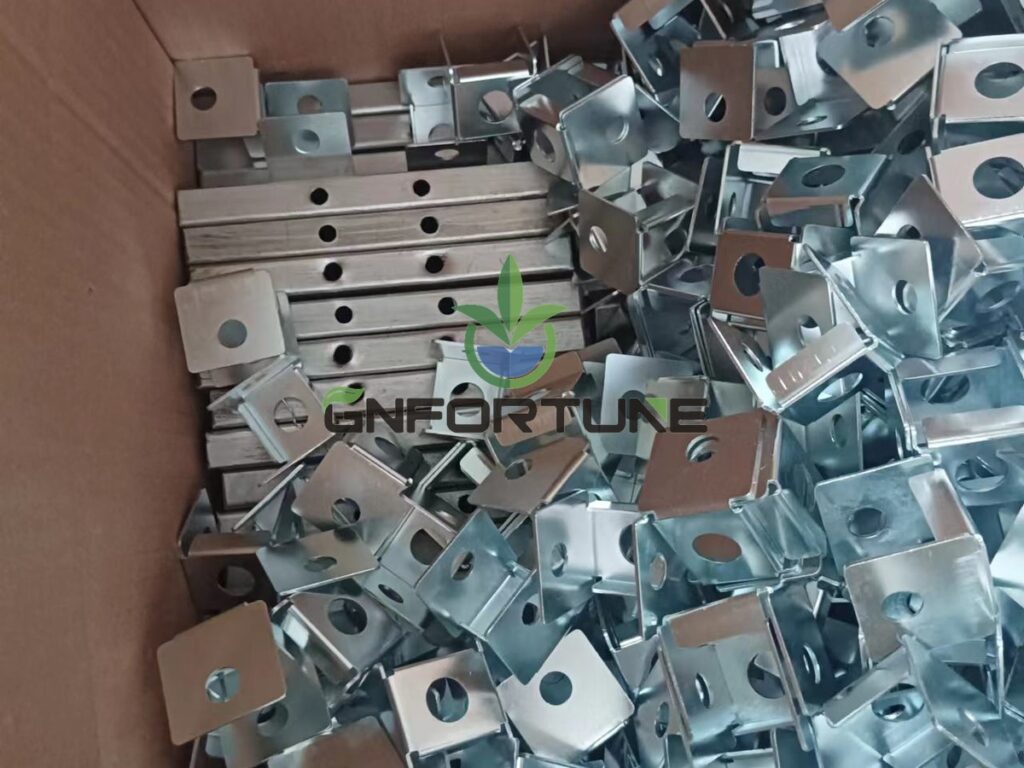
Warranty claim evidence comes down to a short checklist: what the part is, where it was, when it failed and what the system was doing. Capture location, scale and identity in the same frame, then stop handling the part — one clean hour of records beats a month of correspondence.
- A wide shot showing the section in place, then close-ups with a rule or tape in frame.
- The batch or lot number, moulding mark or serial plate, legible in a photograph.
- A short video of the failure in operation if it is still running — leak rate, deflection, noise.
- Delivery documents: packing list, invoice and bill of lading, plus the arrival inspection record from inbound QC.
- Installation and commissioning records for the affected zone, including slope, support spacing and pressure test results.
- Operating data: EC, pH, pressure, run hours, water treatment and any dosing incident.
- The failed part, bagged and labelled with date, location and claim reference.
Where the value justifies it, a laboratory report on the section settles arguments about material and wall thickness that photographs cannot. For crop loss, the same discipline applies: harvest records, rejection notes and delivery refusals, kept as they happen rather than reconstructed later.
Notification: Deadline, Channel and Wording
Notify in writing, to the named contact in the contract, inside the window the contract sets. Agreements commonly allow 7–14 days for latent defects and 24–72 hours for visible transit damage, so confirm your own wording rather than assuming a month is normal.
Late notice is the most common reason a valid claim is reduced or refused, and the clock usually starts at discovery rather than at the failure itself. If the failure is found on a Friday, the notice goes out on the Friday.
A usable notice carries: contract and purchase order number, product and batch, quantity affected, date of failure, a factual description with no diagnosis, photographs attached, the mitigation already taken, and a request for a claim reference and return instructions. Avoid naming a cause in the first message. If the diagnosis later changes, the opening line gets quoted back at you.
Allocating Responsibility: Transit, Installation or Operation
Responsibility follows evidence, and the evidence differs by cause. Sorting the failure into the right category early saves weeks of circular correspondence.
| Cause | Evidence that decides it | Usual outcome |
|---|---|---|
| Transit damage | Photos at unpacking, packing list annotations, carrier damage report | Carrier or insurer, not the warranty |
| Manufacturing defect | Batch number, section examination, wall measurement, lab report | Supplier replacement or credit |
| Installation error | Commissioning records, support spacing, slope and fixing checks | Installer’s cost |
| Operation | EC and dosing logs, water analysis, cleaning and temperature history | Buyer’s cost |
Mixed causes are common: a thin wall plus support spacing that was never checked. In that case the split is a negotiation, and the party with better records carries less of it. Transit cases in particular sit outside the equipment warranty and belong with the freight insurance and damage claim route, which has its own deadlines.
Two operational habits make this stage much shorter: mitigate the loss while preserving the evidence (isolate the zone, stop the leak, protect the crop), and never dispose of a failed part before the supplier has confirmed in writing that it is not required.
Escalation: Getting Past the First-Line Answer

After-sales escalation runs on evidence and time, not on the volume of messages. Set a written deadline at each step and move up when it passes. The ladder is:
- Account manager — commercial owner, first response, issues the return authorisation number.
- After-sales or technical engineer — diagnosis, remote support, replacement specification.
- Quality function — batch traceability, root cause and a corrective action report.
- Management — commercial settlement when the technical answer has stopped moving.
At every step ask for the same three things in writing: the accepted root cause, the proposed remedy with a date, and what prevents recurrence. A supplier who cannot state a root cause cannot offer a corrective action, and that is the point where third-party inspection or the contract’s dispute clause becomes reasonable rather than aggressive.
Keep one thread. Parallel conversations with sales, the agent and the factory produce three versions of the same hydroponic equipment dispute and no decision.
Settlement Forms and What Each One Actually Gives You
Replacement is the default remedy and rarely the full cost. Each form transfers a different part of the loss, so the conversation should be about the gap, not about the headline.
| Settlement | Covers | Typically excludes |
|---|---|---|
| Replacement part | The part, sometimes freight | Labour, access, crop loss, duty |
| Repair or credit note | Value of the goods | Downtime, rework |
| Cash refund | Invoice value, often pro-rated by age | Consequential loss |
| Extended warranty or spares | Future risk on the same item | The loss already incurred |
Ask for the freight term, the duty position and any labour contribution in the same message as the remedy. A replacement that arrives three weeks later, freight unpaid, with your own crew fitting it, recovers perhaps half the loss even though the paperwork says the claim was accepted.
Where the sum is large, a partial settlement with a written root cause is usually worth more than a full claim pursued for a year. Cash recovered late is not the same as cash recovered.
Closing the Loop So the Next Claim Is Smaller
Run the equipment warranty claim process as a loop, not a one-off: every claim should change a stock level, a specification, an inspection step or a supplier score. A claim that ends with a replacement part and no other change will repeat. Practical follow-ups:
- A claim register recording cause, batch, remedy, days to resolution and cost carried by each side.
- Scorecard input — resolution time is a supplier metric, not an anecdote, and it belongs in the supplier scorecard.
- Contract changes at renewal: notice windows, freight on replacements, labour contribution, spares holding.
- Spares adjustment where the same item has now failed twice; the downtime-based stock list should reflect what actually fails.
FAQs About Warranty Claims
How long do we have to notify a supplier?
Whatever the contract specifies, with 7–14 days for latent defects and 24–72 hours for visible transit damage being common. Notify on discovery regardless, because most clauses start the clock there rather than at the failure.
Can we replace a failed part ourselves and still claim?
Yes, if the failed part is photographed and retained and the reason for acting is recorded. Replacing it without evidence converts a warranty claim into a goodwill request.
What if the supplier says it is an installation issue?
Ask for the specific evidence and the standard it was measured against, then compare it with your commissioning records. A written technical position can be argued; a verbal opinion cannot.
Is crop loss covered by an equipment warranty?
Usually not. Most equipment warranties cover the goods only, so consequential loss needs separate insurance or a clause agreed before the order, not after the failure.
When should we involve a third party?
When the value at stake exceeds the cost of inspection and the technical positions have stopped moving. A laboratory report on the failed section usually ends the argument in one exchange.
Related Reading
- Hydroponic Equipment Warranty, After-Sales and Spares Clauses: What to Negotiate — The warranty clauses you negotiated, and what they entitle you to
- Factory QC for Hydroponic Equipment: What Gets Checked Before an Order Ships — What was checked before shipping, and the records behind it
- Inbound QC: Checking Equipment on Arrival — Inbound checks, which are the first evidence in a claim
- Checking Shipping Documents: Packing List, Invoice and B/L — Packing list, invoice and B/L when liability is transport-related
- Freight Insurance and Damage Claims on Equipment Orders — Insurance and damage claims on equipment orders
Next Step: What to Send for a Quotation
Claim handling is only as good as the paperwork agreed at order stage. Suppliers who quote with batch records, freight terms and response times stated make the process short; the rest leave it to negotiation.
Replacing failed equipment or specifying a new house? For RFQ or project consultation, send: greenhouse dimensions and growing area; crop plan and target grade; target weekly or annual output; local climate and raw water analysis; the item that failed, with batch, quantity and photographs if a claim is open; the warranty and after-sales terms you require (notice windows, freight on replacements, spares holding); automation level; delivery schedule; and budget band. G AND N FORTUNE LIMITED supplies NFT channels, DWC systems and greenhouse packages with batch records on every shipment, and quotes response and spares commitments as part of the offer.


