Vine crop projects almost always narrow to three container formats: substrate grow bags, slabs, and Dutch buckets. The unit prices are easy to compare and mostly misleading, because the three carry very different replacement cycles, media volumes and labour profiles. A grow bag vs slab hydroponic comparison made on purchase price alone usually reverses once the cost is calculated per crop cycle. This article works through the decision the way a buyer has to make it: cost per cycle, media behaviour, labour, disposal, then which format suits which scale.
Sizes, materials and drainage specifications for bags and slabs are covered separately in the grow bags and slabs guide. What follows is the commercial comparison between the three formats.
What the Three Formats Actually Change
They change four things: how much media sits under each plant, how long the container lasts, how much handling a crop turnaround costs, and what you have to dispose of. Yield differences between them are driven far more by irrigation and climate control than by the container.
Grow bags are the low-capital option: cheap to enter, easy to re-lay, replaced often. Slabs sit in the middle on capital and suit sites wanting a uniform root volume across long rows with somewhere for spent material to go. Dutch buckets carry the highest capital per plant site and the longest service life, and suit long-cycle crops on sites that would rather clean and reuse than dispose.
They also differ in tolerance. Bag and slab systems are commonly run drain-to-waste; bucket systems often use a collected or recirculating drain, which changes the water balance and the treatment requirement.
Grow Bag vs Slab Hydroponic Costs: Unit Price Against Cycle Cost
Unit price ranks the three in one order and cost per crop cycle often ranks them in another. Compare on the cycle, not on the unit.
| Decision factor | Grow bags | Substrate slabs | Dutch buckets |
|---|---|---|---|
| Capital per plant site | Lowest | Medium | Highest |
| Container replacement cycle | Commonly 1–2 cycles | Commonly 1–2 crops | Multi-season, several years |
| Media replaced per cycle | Yes, in most programmes | Yes, unless treated for reuse | Partly; media can be treated and reused |
| Labour at turnaround | Carry in, carry out | Heavy when wet, disposal run | Empty, clean, refill |
| Waste volume per cycle | Highest | High | Lowest |
| Layout flexibility | Highest | Low once laid | Fixed by the drain line |
| Best fit | New sites, changing layouts, tighter budgets | Established rows, uniform root volume, organised disposal | Long-cycle crops, sites that can clean and reuse |
Working the cycle cost out needs four inputs: container price divided by the cycles it survives, media volume per plant times media price, turnaround labour hours, and disposal cost per cubic metre. Sites that skip the fourth line usually meet it later in the waste budget.
Prices move with volume, freight and substrate markets, so treat any figure as valid for a stated period. Getting the replacement cycle in writing matters more than negotiating unit price, because the cycle is what turns a cheap container into an expensive one.
Media Volume, Irrigation Behaviour and Run-off
Media volume per plant sets the buffer against irrigation failure. More substrate holds more water and nutrient, which buys time when a pump stops or a filter blocks; it also costs more per cycle.
Planning ranges commonly seen in vine crop layouts, as volume available per plant:
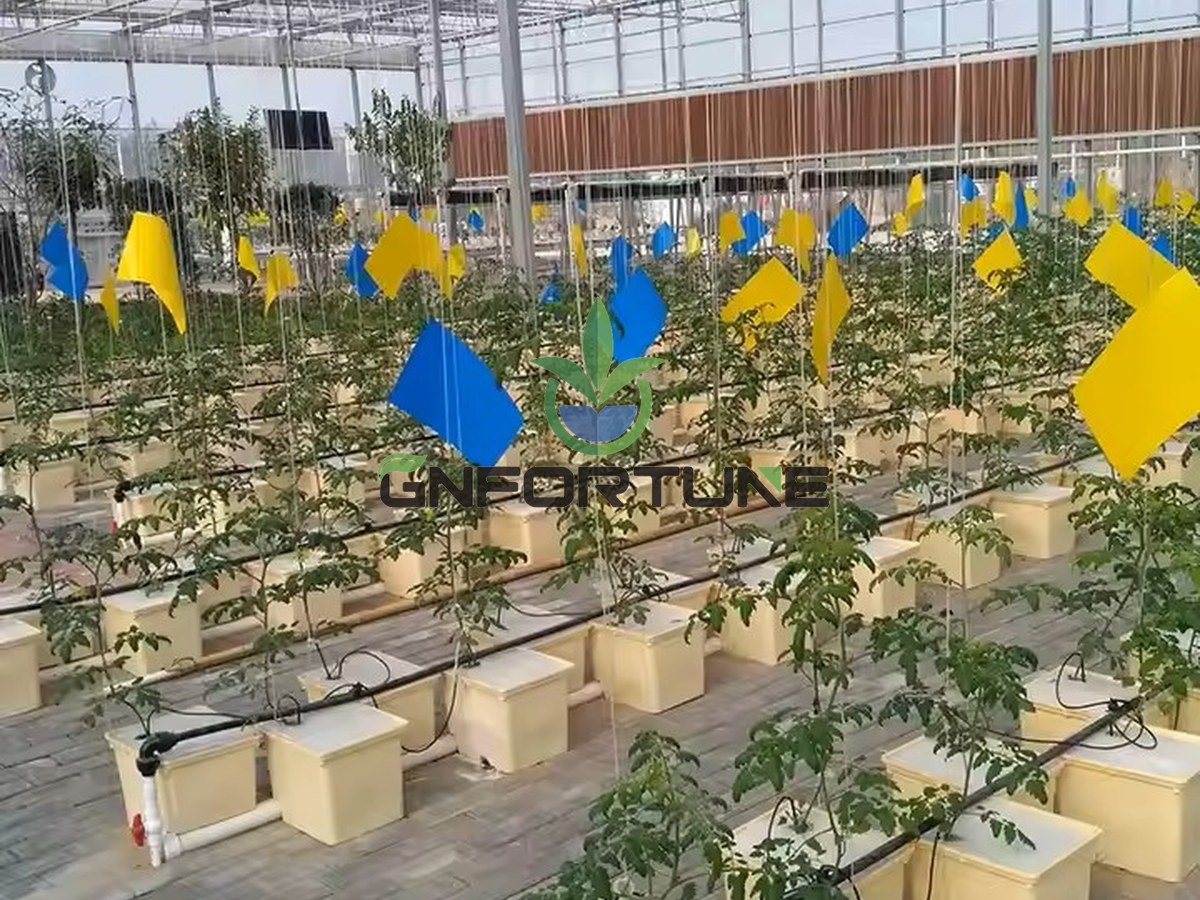
- Grow bags — roughly 4–7 L per plant, assuming 10–20 L bags carrying two to three plants.
- Slabs — roughly 4–8 L per plant, assuming two to three plants per slab.
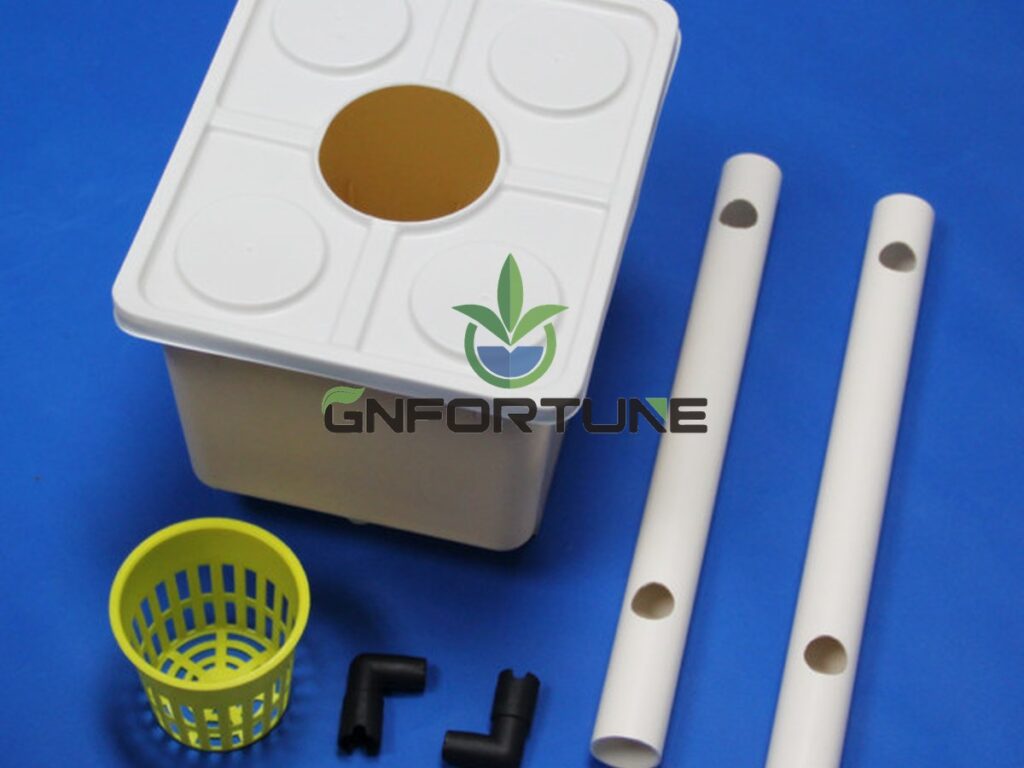
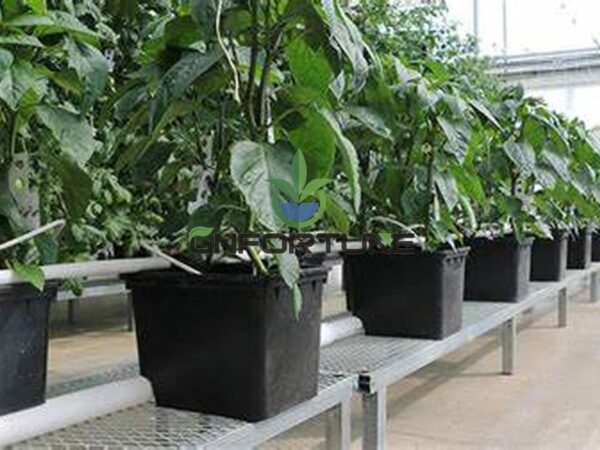
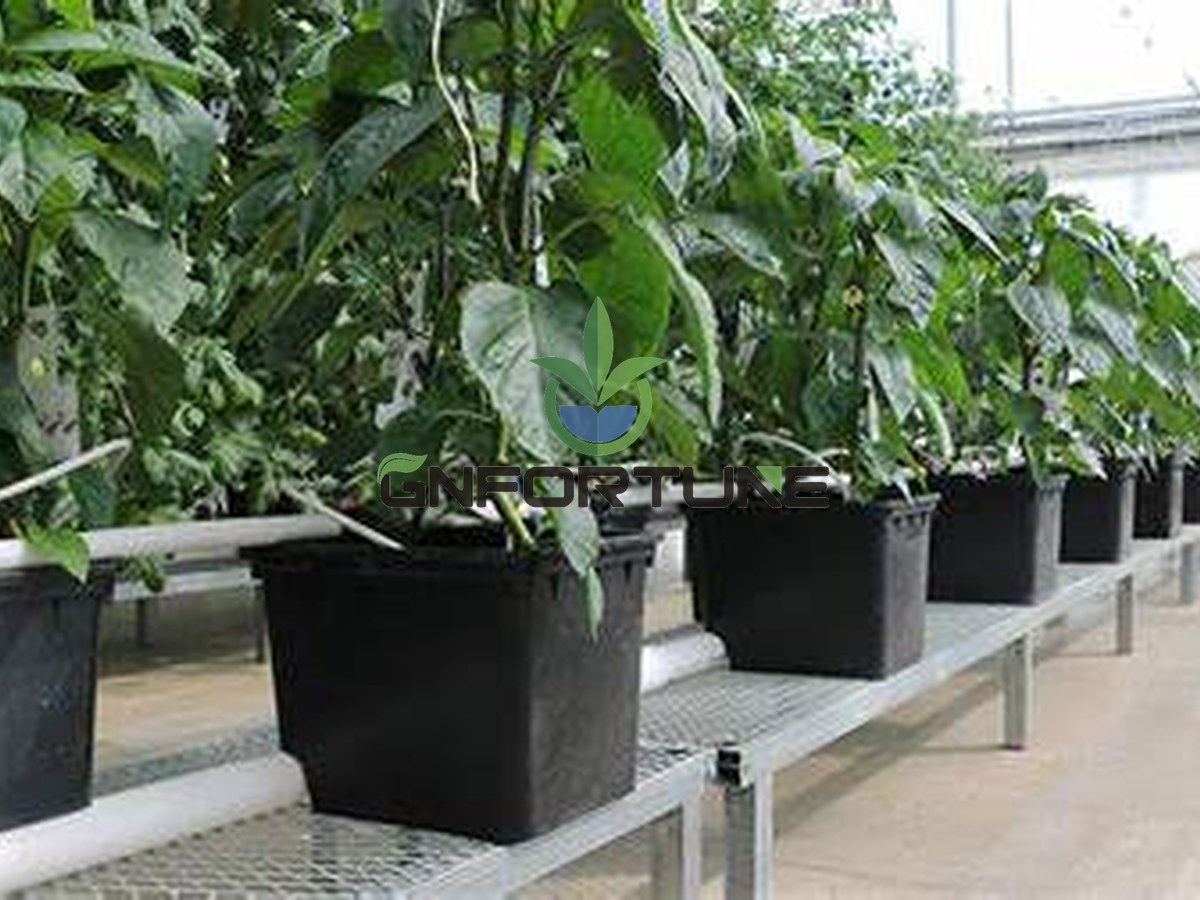
- Dutch buckets — roughly 8–11 L per plant, one plant per bucket.
Those ranges assume conventional row layouts and should be checked against the container offered, since volumes vary by brand and by plants per unit. A larger root volume tolerates longer gaps between feeds; a smaller one needs shorter irrigations and tighter filtration.
Run-off behaves differently as well. Bag and slab systems are typically run with a deliberate excess, and a planning range of 20–30% run-off is commonly used for drip-fed vine crops under a summer canopy with high radiation, adjusted down in cool seasons. Bucket systems that collect and return drain water need a treatment step, and the discharge rules that apply are set out in the nutrient discharge and compliance guide.
Labour: Handling, Turnover and Disposal
Labour most often decides the comparison, and it is the line least often written into the calculation. The three formats move work to different points in the cycle.
- Grow bags — light to lay, but every turnaround means carrying full bags in and spent bags out. Disposal volume is the largest of the three.
- Slabs — fewer units, but heavy when saturated and slow to remove. The disposal route needs agreeing before the first crop finishes.
- Dutch buckets — minimal disposal, but turnaround means emptying, cleaning, sanitising and refilling each unit, plus flushing the drain line.
Compare them by timing a turnaround on a representative block and multiplying by cycles per year. A format saving an hour per cycle on a house running two and a half cycles a year returns more than a small difference in unit price.
Waste handling has a regulatory dimension too. Where spent substrate and plastic must be separated, or discharge is monitored, confirm the disposal route before choosing the format.
Service Life, Replacement Cycle and Waste
Container life is where the formats diverge most, and it is the number buyers should insist on in writing.
Grow bags are short-cycle consumables; film thickness and UV rating decide whether a bag survives more than one crop, and high-radiation climates sit at the shorter end. Slabs are sometimes steamed or treated for a second crop, which only pays if the treatment and labour come in below replacement. Buckets are the long-life option: a multi-season planning range of five years or more is commonly quoted for a well-made moulded bucket, though UV exposure, cleaning chemicals and handling decide the real figure — confirm it against the supplier’s warranty.
Replacement planning has an ordering consequence. Short-cycle containers need a re-order schedule tied to the crop calendar, because running out stops planting. Long-life containers need a spares percentage, since breakages and batch variation make later top-ups awkward.
Which Scale Suits Which Format
Scale decides the comparison mainly through labour and disposal capacity rather than through price.
- Up to roughly 2,000 m² — bags usually win on flexibility and cash flow, where the crop mix or layout is still being worked out.
- 2,000–10,000 m² — slabs are common where rows are stable and disposal is organised; uniform root volume matters more on a fixed programme.
- Above 10,000 m² — disposal volume becomes a logistics problem of its own, and durable containers with media reuse start to look better despite the capital.
- Long-season crops — buckets suit crops standing for many months, where durability and a larger root buffer justify the upfront cost.
Where a site is unsure, run one block on the format being considered and compare turnaround times and waste volumes for a full cycle before converting the house.
Writing the Comparison into an RFQ
Ask every supplier to price the same format questions, so the answers can be set side by side.
- Container unit price, stated lifetime in cycles or seasons, and whether that is warranted.
- Media volume per plant, media price per cubic metre, and whether reuse is recommended.
- Expected run-off fraction and whether the drain is collected or discharged.
- Turnaround labour assumption in hours per block, if the supplier provides layout services.
- Disposal route and volume per cycle, and who is responsible for it.
- Spares or re-order lead time on the short-cycle items.
Bucket enquiries should also specify the drain line layout and whether recirculation is intended, since that changes the component list; the Bato versus Dutch bucket comparison covers the choice between the two bucket families. Grow bag vs slab hydroponic decisions are rarely settled on price, and an RFQ built around cycle cost gets a more useful answer than one built around unit price.
FAQs About Vine Crop Container Choice
Which format is cheapest per crop cycle?
It depends on the cycle length and local disposal cost. Bags are cheapest to buy and usually dearest to dispose of; buckets reverse that. Work out container life, media cost, turnaround labour and disposal per cubic metre before concluding.
How many plants go in one grow bag?
Two to three is common for vine crops at standard spacing, giving roughly 4–7 L of substrate per plant. Confirm the bag volume the supplier offers and match it to the crop’s cycle length.
Can slab media be reused for a second crop?
Often yes, if it is treated and the structure is intact, but the treatment cost and labour have to be weighed against replacement. Ask the supplier for their recommendation in writing.
Do Dutch buckets need recirculation?
Not necessarily. They can run drain-to-waste or into a collected and treated return. The choice changes the filtration and treatment equipment, so decide it before ordering.
What run-off should we plan for?
A planning range of 20–30% is commonly used for drip-fed vine crops under a summer canopy with high radiation, reduced in cooler seasons. Confirm against your own crop, climate and discharge rules.
Related Reading
- Grow Bags and Slabs: Sizes, Materials, Drainage — The specification detail behind the two substrate formats
- Dutch Bucket System: Components and Layout Basics — What a bucket system includes before you price the container count
- Growing Tomatoes in Dutch Buckets: The Complete Guide — The crop programme that usually justifies the bucket capital
- Hydroponic Growing Media: A Guide to Soilless Substrates — How media choice interacts with container volume
- Reusing Growing Media: Flushing, Sterilising and When to Replace — The reuse economics behind slab and bucket decisions
Next Step: What to Send for a Quotation
Container enquiries are priced against plant count and cycle length, so those two numbers come first.
Choosing between bags, slabs and buckets? For RFQ or project consultation, send: greenhouse dimensions and growing area; crop and cycle length in weeks; target plant density and plants per container; preferred format or formats to compare; media preference; whether drainage is collected, recirculated or discharged; local disposal rules if known; target annual output; delivery schedule; and the budget band. G AND N FORTUNE LIMITED supplies grow bags, substrate slabs, Dutch bucket systems and matching irrigation components quoted to those parameters.