Irrigation Filtration: Screen vs Disc vs Sand Filter
A filter is chosen by the water, not by the pipe size. The suspended load, sand fraction and biology in the source decide the filter train; the emitter’s smallest passage decides the final grade. Get either wrong and the symptom appears in the crop while the cause sits in a housing nobody opens. This article covers how to read the source, what each body removes, and the sizing rules that keep irrigation filtration off the daily chore list.
Irrigation Filtration Starts With the Water Source
Sample the water before ordering anything. Suspended solids, sand fraction, iron and manganese, hardness, pH and biological load all change the specification, and a source sampled in the dry season will not represent that source after rain.
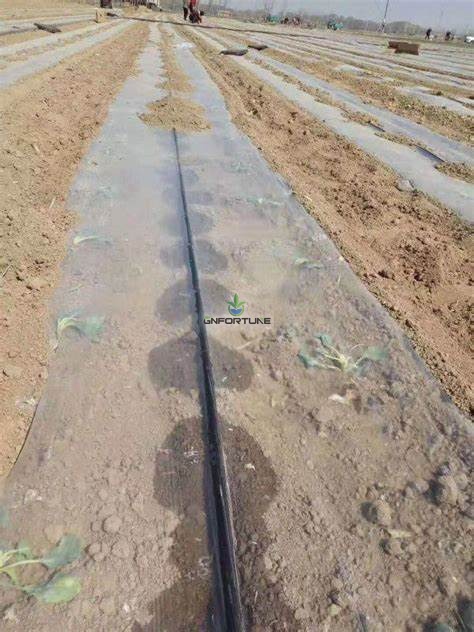
The other input is the emitter. A 2 to 4 L per hour emitter has a labyrinth measured in fractions of a millimetre, so the effective opening must sit well below that passage, which puts most drip work at 120 to 200 mesh. The water analysis report turns that rule into a grade.
| Source | What is in it | Practical filter train |
|---|---|---|
| Mains or reverse-osmosis permeate | Low suspended solids | Single screen or disc at 120 to 200 mesh |
| Borehole with sand | Sand fraction, occasional iron | Hydrocyclone, then disc at 120 to 150 mesh |
| River, canal or open channel | Silt, fine sand, algae | Media filter, then disc or screen at 120 to 200 mesh |
| Farm dam or storage pond | Algae and organics | Media filter plus disc, with disinfection considered |
| Recirculated drain water | Fine solids and biofilm | Disc plus screen, with treatment ahead of reuse |
Two stages is the normal answer for anything other than mains water. A single fine stage on a raw source spends the season being cleaned, and every cycle run during an irrigation event leaves part of a block short.
Screen Filters: Mesh and Flow
A screen filter is a surface device: water passes a woven stainless or polymer mesh and particles larger than the aperture sit on the face until flushed away. It is simple, cheap and quick to inspect, and it is the right final stage on clean water.
Mesh and micron are the same specification in two units, and both should appear on the quote: 80 mesh is roughly 177 microns, 120 mesh about 125, 150 mesh about 100, and 200 mesh about 74. A supplier quoting mesh without a micron figure, or a flow rating without the pressure it was measured at, is quoting a label rather than a performance.
The limitation is dirt capacity. A screen handles light loads, typically below roughly 20 to 50 ppm of suspended solids; above that the face blinds over and the zone furthest from the pump loses flow first.
Disc Filters: Depth vs Surface
A disc filter stacks grooved rings under compression so water travels a three-dimensional maze rather than across a flat face. That is depth filtration, and it holds several times the dirt of an equivalent screen before the differential rises.
The consequences are fewer cleaning cycles on silty water and faster cleaning when needed: open the stack, separate and rinse the rings, close it. Discs are the usual choice for boreholes and canals once the sand fraction is removed.
They cost more per body than a screen, and grit damages the rings if the upstream separator is undersized, so the pair has to be sized together.
Sand Media Filters and Hydrocyclones
Media filters and hydrocyclones handle loads that screens and discs cannot. A media bed filters through depth, catching organics and algae that blind a screen in an hour; a hydrocyclone separates the sand fraction by centrifugal force, with no media and no moving parts.
| Type | Effective opening | Dirt capacity | Cleaning | Trade-off |
|---|---|---|---|---|
| Screen | 80 to 200 mesh | Low | Flush or brush the element | Blinds quickly on silty or algae-bearing water |
| Disc | 100 to 200 mesh equivalent | Moderate to high | Open the stack and rinse | Higher unit cost than a screen |
| Sand media | Roughly 50 to 100 micron effective | High, including organics | Backwash the bed | Footprint, backwash volume, needs a second stage |
| Hydrocyclone | Removes the sand fraction | High for sand only | Purge the collection chamber | Removes no organics; efficiency falls off design flow |
Media beds need headroom: backwashing requires enough flow to expand the bed, usually two vessels in parallel so one backwashes while the other filters, or a dedicated pump. On recirculated water, upstream treatment matters as much as the bed; the RO, UV and ozone options cover that side.
A hydrocyclone is a pre-filter, never a standalone answer. It protects the stage downstream and holds efficiency only near design flow, which matters on variable-speed pumps and changing zone counts.
Filter Sizing: Head Loss and Cleaning Interval
Size the body by flow at the lowest pressure you expect, then add margin. A filter rated only for peak zone flow has no reserve for the day the screen is half dirty, and that reserve keeps the last emitter at pressure.
- Clean differential: log it on commissioning day; a clean screen or disc sits around 0.1 to 0.3 bar.
- Cleaning trigger: roughly 0.3 to 0.5 bar above the clean value. Beyond that, downstream flow is already falling.
- Oversizing: 25 to 30% above design flow on surface water buys longer intervals between cleans.
- Pump sizing: dirty-state head loss must sit inside the pump duty point, or the system runs short at peak. The pump sizing guide covers that check.
- Isolation: valves either side of every body and a bypass or parallel body, so one can be serviced without stopping irrigation.
- Gauges: one upstream and one downstream; without them cleaning happens by calendar, not condition.
Where Mistakes Happen on Site
Most clogging complaints are filter problems wearing an emitter’s disguise. On site we often see filters sized to the mainline rather than to the emitter, so a 200-mesh requirement is met by a body bought for flow alone.
The filter is blocked long before anyone notices. The first sign is not a clogged emitter, it is a rise of roughly 0.3 to 0.5 bar in differential across the body — by the time a block shows in the crop, the far end of that zone has already been under-watered for days. Log the clean differential on commissioning day; without that number, nobody on the crew knows what dirty looks like.
- One stage on a raw source. A single fine screen on canal water is a maintenance schedule, not filtration.
- No final stage after injection. A coarse stage upstream protects the injector; without a fine stage downstream, precipitate travels to the emitter.
- Backwash with nowhere to go. With no drain or sump, the cycle gets skipped; run mid-irrigation and a block goes short.
- Hydrocyclone on variable flow. Separation efficiency collapses away from design flow, so the sand it was bought to remove reaches the disc stack.
- Media bed left too long. Crusted or channelled media stops filtering properly while still looking full; backwash timing and periodic media checks are part of the job.
- No winter drain-down. Housings left full in freezing conditions crack, and the failure appears at start-up in spring.
We fix more clogging complaints at the housing than at the emitter, and almost all come down to a missing gauge, a missing isolation valve, or a body sized by pipe diameter instead of by flow and grade.
Frequently Asked Questions
What filter grade does a 2 L per hour emitter need?
A: A final stage of 120 to 200 mesh, an opening well below the emitter’s labyrinth. Confirm the figure in microns as well as mesh.
Can one screen filter handle river or canal water?
A: Not alone. Use a media filter or hydrocyclone for the heavy fraction, then a disc or screen at 120 to 200 mesh.
How do I know when a filter needs cleaning?
A: When the differential between the two gauges rises roughly 0.3 to 0.5 bar above the clean value logged at commissioning.
Should the filter sit before or after the fertilizer injector?
A: Both ends matter: a coarse stage upstream protects the injector, and a fine stage downstream catches precipitate before the emitters.
Do hydrocyclones work at any flow rate?
A: No. They hold efficiency near design flow, so a variable-speed pump or a changing zone count reduces separation; size the unit to the flow it will actually see.
Get a Filtration Set Sized for Your Water Source
Irrigation filtration fails on specification, not hardware: a mesh number quoted without microns, a body sized by pipe diameter, or one stage on water that needed two. Those three put the filter on a cleaning schedule and the crop on a short-watering one.
Send the water analysis, peak and minimum zone flow, emitter type and pump duty point, and the team will return a filter train with stages, grades and cleaning triggers. To get a filtration set sized for your water source, include a sample from the season the system runs.