External shading removes solar energy before it crosses the covering, which is why outside-mounted options cool more per unit of light blocked than anything fitted under the roof. They also cost light every hour they stay up. External shading greenhouse decisions therefore come down to one trade: how much peak heat the crop avoids, and how much daily light it gives up in exchange.
Three routes compete for that budget — an external shade net, a whitewash coating, and an external screen system — and they differ far more in flexibility, service life and labour than in headline price. This article compares the three from the buyer’s side and sets out what belongs on the purchase order.
What Outside-Mounted Shading Actually Buys
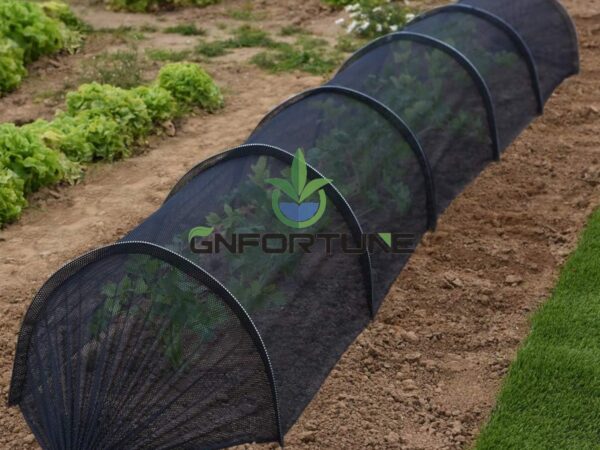
Cooling by shading works differently outside and inside. An external treatment intercepts radiation before it enters the house, so the intercepted energy never becomes cooling load. Anything mounted inside absorbs energy that has already crossed the covering, which then has to be removed by ventilation, fogging or pad-and-fan capacity. That distinction is why utility tables generally credit external shading with more cooling for the same light loss.
The cost side is light. Shading fitted for the hottest weeks and left up through autumn lowers the daily light integral every day it remains, and that shows up in crop timing before it shows up in the accounts. Every external shading greenhouse plan therefore needs a removal date, not just an installation one — and the two dates should be written into the seasonal calendar at the same time.
Shade Net, Whitewash or External Screen
The right choice depends on how often the requirement changes within a season. A site with a long, stable hot season is buying something different from a site whose problem is four weeks of extreme noon radiation.
| Factor | Shade net | Whitewash | External screen system |
|---|---|---|---|
| Capital character | Fabric plus fixings, moderate | Lowest; coating and application | Highest; fabric, drive and structure |
| Flexibility in season | Removed or rolled between seasons | Fixed once applied | Adjusted day to day |
| Service life | Several seasons with a UV package | One season at most | Fabric comparable plus mechanical upkeep |
| Seasonal labour | Installation and removal each cycle | Application each cycle | Low once commissioned |
| Storm exposure | Sail load if left up; removable | None | Load remains when deployed |
Compare them per season rather than per purchase. A coating costing a fraction of a net’s price has to be reapplied every year, while a net with a proper UV package spreads its cost over several — before labour is counted, which often reverses the ranking.
Choosing a Shading Percentage
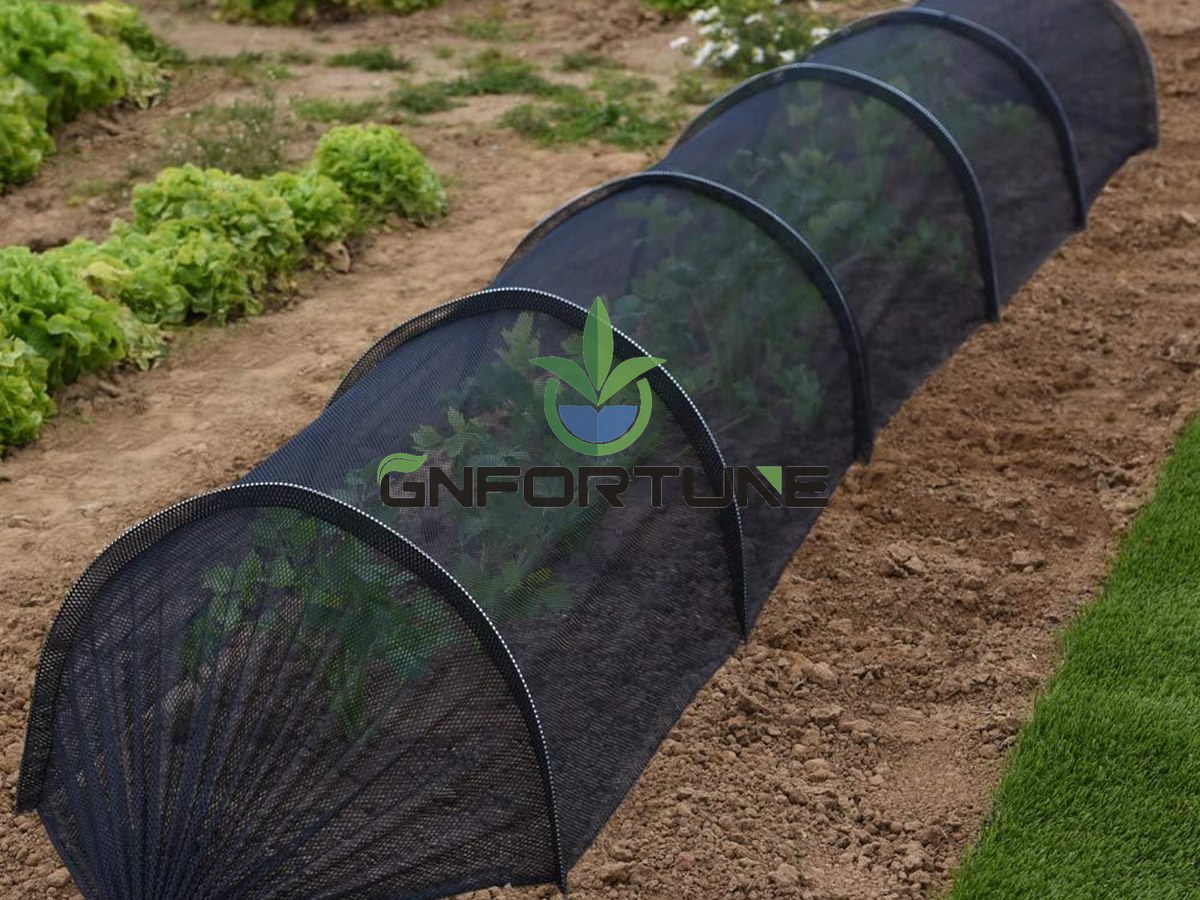
Pick the number from two inputs: the light the crop needs through the hot season, and the peak radiation you have to survive. A planning range of roughly 30–50% external shade suits many leafy programmes in high-radiation climates; fruiting crops generally sit lower, because the same yield target needs more light. Both figures assume a clean covering and no additional internal screen, and both should be confirmed by measurement rather than adopted as a setting.
Light losses stack. Covering transmissivity, dirt and age, plus any internal screen already fitted, all sit on top of the external treatment, so the combined reduction exceeds the label on the net. Applying one heavy percentage across the whole roof when only the peak midday period is the problem also spends light the crop could have used in the morning and late afternoon.
Two refinements are worth pricing: a lower base percentage applied permanently, topped up by a heavier temporary measure for the extreme weeks, and a reflective or aluminised fabric that sends more energy back out instead of absorbing it into the net itself.
Wind, Fixing and Structural Loads
Anything mounted outside the covering takes wind load that the film would otherwise shed. Specify three things together: the wind rating the fabric is sold against, the fixing spacing and edge detail required to achieve it, and confirmation from the greenhouse structure supplier that the frame carries the resulting load. A net used as a sail above an un-rated structure is a structural problem, not a shading one.
Fixings drive most field complaints. Hem construction, tensioning wire, clip material and clip spacing decide whether a net invoices as a three-season product or a single-season one, and those lines are rarely itemised in quotes. If the layout allows it, plan the removal date before the risk window rather than reacting to forecasts in the wrong season.
Installation, Removal and Seasonal Labour
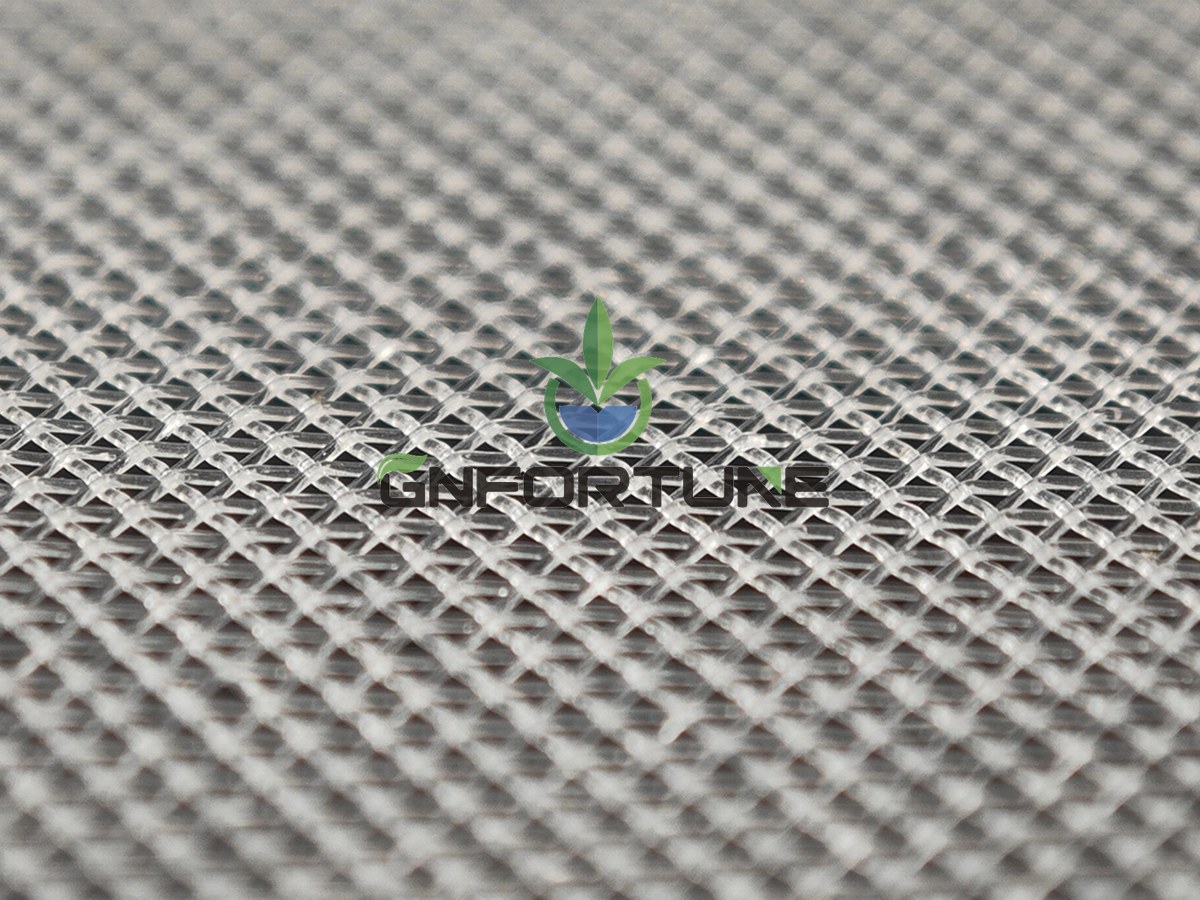
Labour is the hidden line for the two seasonal options. A net has to be tensioned correctly on installation and taken down cleanly, which requires safe roof access, and that cost recurs every cycle. Whitewash trades that labour for application cost and — depending on the product — some form of removal before the next low-light season, since a coating that survives too well keeps its light penalty into winter.
External screens reverse the pattern: most cost is capital, daily operation is small, but mechanical components then need scheduled attention. For multi-span houses on a long hot season, that often wins on three-year cost; for seasonal use, the installed approaches usually do.
Inspection, Cleaning and Service Life
Service life is mostly ultraviolet. Measured retained shade and brittleness tell you when a net is finished, along with seam failure and small tears at fixing points, which spread quickly once the fabric loses strength. Keep an installation date per bay so replacement can be staggered rather than landing as one bill.
Dust and organic build-up on an external net reduce light further and retain moisture against the fabric, shortening its life. Where the site’s water permits a rinse, do it; where it does not, plan replacement sooner. Removed nets stored dry and dark survive far better than ones folded damp at the end of a season.
What to Confirm on the Purchase Order
Specifications that leave any of the following open will be settled by whatever the supplier has in stock:
- Shade percentage with a stated tolerance and the test method behind it.
- Mass per square metre and weave type, including whether the fabric will run if damaged.
- UV stabilisation package, warranted service life in years at the site’s UV load, and what voids the warranty.
- Wind rating with the required fixing spacing and edge detail.
- Roll widths and seam layout, so the number of joins is known before delivery.
- Fixing hardware material — galvanised or stainless — and replacement clip quantities.
- Warranty basis: pro-rata or flat, coverage of labour and freight, plus spare fabric and lead time for repeat orders.
Where Cheaper Stop Saving Money
The quotes that look cheapest usually differ in ways the datasheet does not show:
- UV package: two fabrics of the same shade percentage can differ by several seasons of life, and nothing about appearance reveals which is which.
- Fixing quality: clips that corrode or work loose turn a net replacement into a roof job.
- Unpriced removal: reapplication every season is predictable revenue for the supplier and predictable cost for the buyer.
FAQs About External Shading
What shade percentage should we specify?
Start from the light the crop needs through the hot season, then verify the peak radiation you have to survive. A planning range around 30–50% suits many leafy programmes in high-radiation climates, with fruiting crops lower — confirm by measurement rather than adopting any published figure.
Is external shading better than an internal screen?
For cooling, yes: external treatments intercept energy before it becomes load, while internal screens deal with energy already inside. Internal options serve other purposes, including heat retention, which external ones cannot do at all.
How many seasons does an external shade net last?
Several seasons where the fabric carries a proper UV package and is tensioned correctly, and notably fewer where it is a cheap product with no stated UV stabilisation. Judge by warranted years, then by measured brittleness and seam condition.
Can whitewash and a net be combined?
They can, and some programmes use a light permanent net with a seasonal coating on top for the extreme weeks. Check compatibility, because removing a coating off a fabric is harder than removing it off film or glass.
Does external shading reduce yield?
By reducing light, yes, and that is the point when heat would cost more than the light does. The loss becomes avoidable when the measurement stays up past the peak period, which is why removal dates belong in the seasonal plan.
Related Reading
- Thermal Screens for Hydroponic Greenhouses: Night Heat Retention and Energy Saving — The internal side of screen specification, including heat retention
- Greenhouse Cooling in Hot Climates: Pads vs Fog vs Shade — Where shading sits among the cooling options available to a hot-season house
- Surge Protection and UPS for Hydroponic Controllers — Planning removal dates and seasonal exposure around the risk window
- Greenhouse Lighting: LED vs HPS, PPFD, and DLI — How lost seasonal light interacts with the lighting programme
- Hydroponic System Commissioning: Installation Sequence, Testing and Site Acceptance — Where permanent fixtures and their loads get verified
Next Step: What to Send for a Quotation
Shading is quoted from area, product specification and fixing detail, not from greenhouse size alone. Suppliers asked to price “shading for 1 hectare” will choose those variables, and their choice sets both the price and the service life.
For external shading greenhouse procurement, the comparison that matters is cost per season: capital spread over warranted years, plus installation and removal labour, against the light given up while the treatment is up.
Comparing shading options for a new house or an existing one? For RFQ or project consultation, send: greenhouse dimensions, structure type and covering material; crop list and cultivars; typical peak and low-season radiation for the site; target shade percentage or target peak internal light; whether nets, whitewash or an external screen system is preferred; fixing and removal access available; automation level required for screens; delivery schedule; and the budget band. G AND N FORTUNE LIMITED supplies NFT channels, gutter systems and matched greenhouse packages quoted to those parameters.