

Biocontrol Is a Programme, Not a Purchase
Buying a sachet of predatory mites is easy. Getting a population established that survives contact with a real crop, a real climate and a real spray schedule is the actual work. Farms that treat biologicals as a direct pesticide replacement usually conclude that they “do not work”, when what failed was timing, placement or compatibility.
This guide covers how a workable bio control hydroponics programme is structured: matching agents to targets, release rates and frequencies, monitoring that tells you whether it is working, and the quality checks that matter when you are receiving live product.
Agents and Their Targets
| Agent | Main targets | Release style | Notes |
|---|---|---|---|
| Predatory mites (foliar) | Spider mite, broad mite, some thrips stages | Sachets on plants, or loose bran application | Needs moderate humidity; sachet placement affects establishment |
| Soil / media mites | Fungus gnat, thrips pupae | Applied to media surface | Works at the media interface; avoid disturbing after application |
| Parasitoid wasps | Whitefly, aphid | Cards or loose release | Establishment improves with low residue plant surfaces |
| Predatory bugs | Aphid, whitefly, thrips, caterpillar eggs | Loose release, often with banker plants | Generalists; some species may supplement with plant feeding |
| Lacewing larvae | Aphid, other soft-bodied pests | Loose application into the canopy | Fast acting; shorter persistence than established predators |
| Entomopathogenic nematodes | Soil and media-dwelling stages | Applied as a drench | Sensitive to UV and to dry media surfaces |
| Microbial agents | Specific insect or mite pests | Foliar application like a spray | Application timing and coverage dominate the result |
One practical caution: do not assume an agent’s effect on one pest transfers to another. Several products are marketed as broad spectrum and behave narrowly in the field.
Preventative Versus Curative
| Approach | What it means | Cost profile | Best for |
|---|---|---|---|
| Preventative | Low-rate releases before pest presence in the crop | Steady, predictable spend | Long-cycle crops where losing the plot to pests is unacceptable |
| Curative | Higher-rate releases once a hotspot is found | Lumpy spend, higher risk | Short cycles, low pest pressure, or as a backup |
| Banker plants | Non-crop plants hosting the agent permanently | Setup cost, then low running cost | Large houses needing continuous presence |
Preventative programmes nearly always cost less over a season than curative ones, because curative failures tend to arrive at the point where you also lose the crop.
Building the Release Plan
- List target pests by crop and season from your own records, not from a supplier’s general brochure
- Choose agents with a one-to-one match to those targets and confirm they are registered for use where you operate
- Set rates per unit area from the supplier’s technical sheet, then adjust by crop stage and canopy size
- Fix a release frequency — establishment almost always needs repeats, not a single application
- Decide placement and write it down: block pattern, height, which rows, where sachets go
- Check compatibility with any chemistry in use, including residue periods on both sides of application
- Record every release — date, product, batch, rate, location, who did it
Monitoring: How You Know It Worked
- Sticky card counts by colour and location, logged weekly with the same method every time
- Leaf inspections on a fixed route, recording presence rather than a vague impression
- Evidence of establishment — if you cannot find the agent or its effect on cards or leaves after several weeks, assume it did not establish
- Hotspot mapping: note where pressure appears first; it often points at an airflow or entry problem
- Action thresholds agreed in writing so nobody argues about whether a count justifies intervention
Compatibility With Chemistry
This is where most programmes quietly fail. Raise it with your supplier before you write the schedule.
- Ask for the compatibility table for each product, including how long residues remain active against the agent
- Plan chemical interventions around releases rather than hoping for the best
- Remember sanitisers and cleaning agents used on structures and equipment, not just crop protection products
- Keep the residue clock visible on the spray board so releases are not scheduled during an active period
Receiving Live Product: QA Checks
| Check | What to look for | If it fails |
|---|---|---|
| Delivery temperature and timing | Cool chain maintained, no delays | Photograph, note it, contact supplier immediately |
| Packaging integrity | Sealed, undamaged, correct count | Reject or quarantine the affected units |
| Viability | Visible movement appropriate to the product | Ask the supplier for a replacement; do not release dead product |
| Batch and expiry | Recorded and within date | Do not use |
| Documentation | Species, count per unit, storage and release instructions | Request before release; instructions vary by producer |
Common Failure Modes
- Released too late — biologicals establish slowly; by the time pest numbers are obvious, they lose
- Released once — most agents need a series
- Poor distribution — dumped in one spot rather than distributed through the block
- Chemistry conflict — especially residues from recent applications
- Unsuitable environment — very low humidity or extreme temperatures suppress some agents
- No verification — no one looked, so nobody noticed that establishment failed
FAQ
How long does biocontrol take to establish?
Longer than a pesticide knockdown, which is why it must be planned. Expect a period of weeks before a stable population exists, and continue monitoring through that period.
Can I stop pesticides entirely?
Many farms substantially reduce interventions, but few eliminate them. The realistic aim is a programme where chemistry is a targeted backup rather than the default.
Do compatibility windows always apply?
Practically yes. Products differ, but assuming no interaction is how programmes collapse. Get the table for every product you use and build the schedule around it.
Can biologicals harm pollination?
Some combinations need care, particularly where hives are present. Coordinate the release plan with your pollinator schedule and check compatibility before starting.
Why are pests worse after starting biocontrol?
Usually because the programme started too late or at too low a rate. It can also mean a source problem — incoming plants or vents — rather than an agent failure.
Is it worth it in short crops?
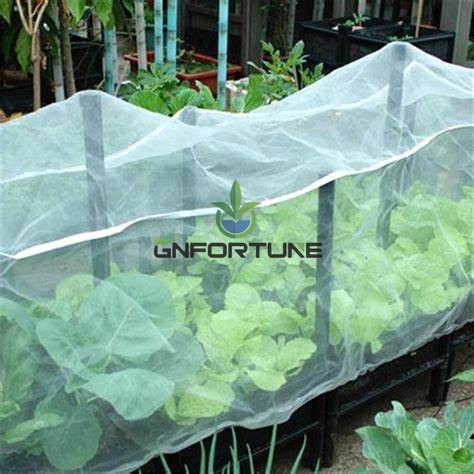
It can be, but the preventative model fits long-cycle crops better. Short crops often suit curative intervention plus exclusion measures like screening.
Build It Before You Need It
Biocontrol works best in houses designed for it — good screening, clean entry routes, zoning that makes releases practical. Send us your layout and crop plan and we can review exclusion and access details alongside your programme design. Use the quote form.
Related reading: this sits inside a wider crop protection plan — see the IPM playbook, pesticide residues and MRL compliance, runoff and environmental compliance and pollination management; for a clean start, review cleaning between cycles.