
A hydroponic backup generator is sized in an afternoon and then lives on site for fifteen years on a load sheet nobody has updated since commissioning. The essential list is narrower than people expect: circulation pumps, aeration or the chiller, dosing injectors and control power. Supplemental lighting and pack-house machines can wait for the grid. This article takes that list through running and starting kVA and out to a fuel tank sized for 48 to 72 hours. Where generator sizing for greenhouse projects fails, the engine is rarely the cause: unmeasured motor starting current and fuel left standing are.
What Has to Stay Powered, and for How Long
Begin with how long each part of the site can sit dark, since that sets autonomy hours before any kilowatt is counted.
- Propagation and mist: cuttings and plugs wilt in 20 to 40 minutes.
- NFT channels: the film dries at the channel tail in 30 to 90 minutes.
- Raft and deep water beds: dissolved oxygen falls over 2 to 6 hours.
- Drip to slabs: slabs hold water for 4 to 12 hours.
- Chilled water loop: root zone temperature climbs over 2 to 8 hours.
- Cold room: 6 to 12 hours sealed, so it stages after the pumps.
Propagation is the tightest user and the smallest load, so a modest UPS on mist and dosing buys more security than any engine change. Anything keeping the root film moving belongs on the essential board whatever its size.
Building the Load List Zone by Zone
Load lists written from memory miss standby pumps and control supplies. Build it board by board with a clamp meter, marking circuits essential, deferred or droppable.
| Equipment | Typical rating | Runs in outage | Note |
|---|---|---|---|
| Circulation pump | 0.75 to 4 kW | Always | Often two or three units |
| Transfer or well pump | 1.5 to 7.5 kW | Yes | Often the largest motor |
| Aeration blower | 1.1 to 7.5 kW | On raft beds | Long hours, check bearings |
| Chiller compressor | 10 to 60 kW | One unit | Biggest step load on most farms |
| Heat pump or boiler loop | 6 to 30 kW | Climate dependent | Can set the winter peak |
| Dosing pumps | 0.1 to 0.4 kW | Yes | Feed from UPS first |
| Controls and sensors | 0.3 to 1.5 kW | Yes | Sensitive to dips and harmonics |
| Vent fans, cold room | 0.5 to 15 kW | Staged | Defrost heaters double it |
A duty and standby pair counts once unless the control can start both together, and single-phase loads stay balanced across phases, since imbalance costs usable capacity. Logging each board for two weeks settles most arguments; see electricity submetering by zone.
Hydroponic Backup Generator Sizing: Running vs Starting kVA
Pumps are bought in kW, sets are sold in kVA, and the deciding figure is drawn during the few seconds a motor takes to run up: divide running kW by power factor, about 0.8 for direct-start motors. Starting kVA is where sets get undersized, since a direct-on-line motor pulls roughly five to seven times full load amps at starting power factor near 0.3.
Three 3 kW circulation pumps and one 5.5 kW transfer pump give about 14.5 kW running, near 18 kVA. Starting the 5.5 kW unit direct-on-line with the rest already running takes roughly 20 to 25 kVA transient, so holding voltage dip near 30 percent needs a machine around 40 kVA; a soft starter brings the same duty within reach of 25 to 30 kVA, and a drive is gentler again but adds harmonics.
- Excitation: permanent magnet excitation recovers voltage faster than a shunt-excited alternator.
- Sub-transient reactance: lower figures mean a shallower dip for the same current.
- Step load acceptance: usually 60 to 100 percent of rating.
- Sequencing: starting loads 5 to 10 seconds apart, largest first, removes the simultaneous-start case.
- Site derating: above about 1,000 m most makers derate 1 percent per extra 100 m, and above 40 °C a further 2 percent per 5 °C.
Prime, Standby and Load Factor
Farm sets are quoted on standby rating, meaning variable load during a grid outage with no overload allowed, then run at 60 to 80 percent of that figure. Prime rating allows unlimited hours with a modest overload window. Engines dislike the bottom of the range more than buyers expect: sustained load under about 30 percent leaves unburnt fuel, glazed bores and carbon deposits, after which the machine will not develop power.
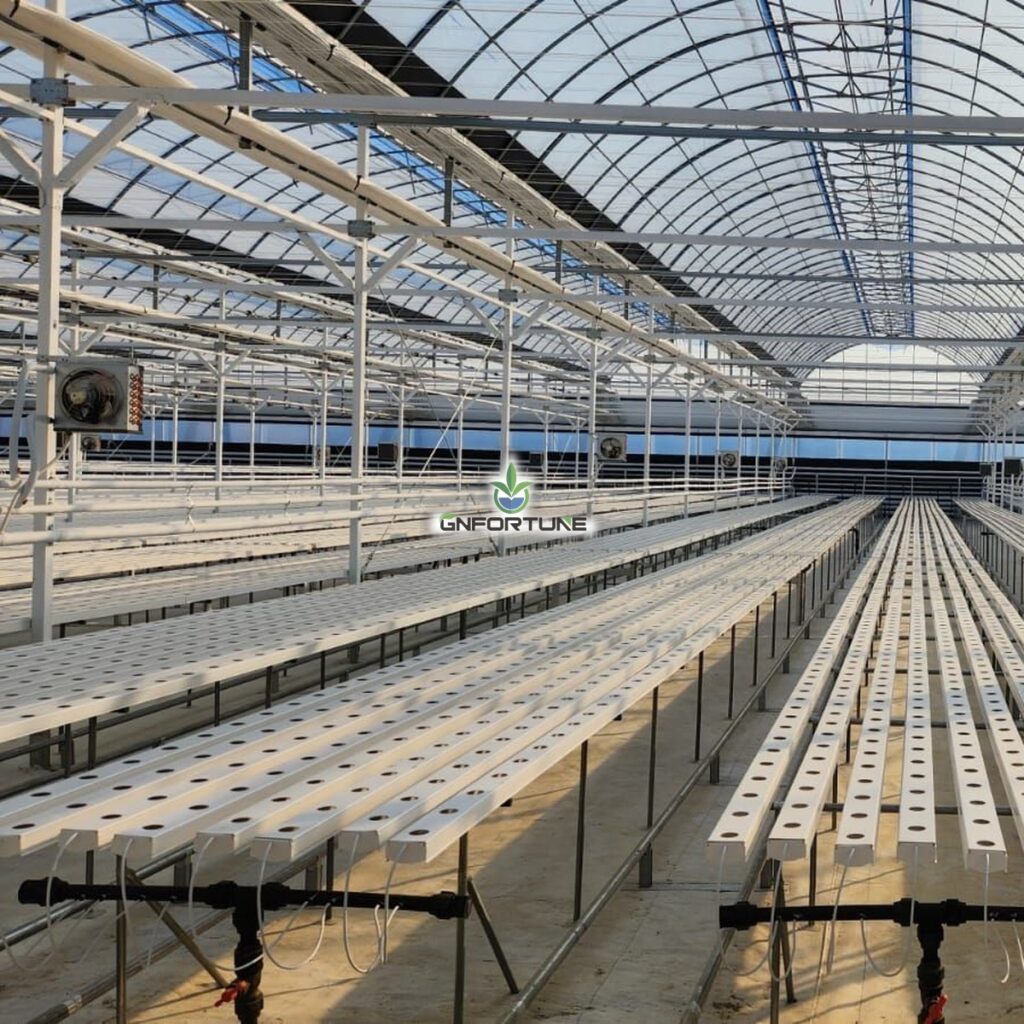
Size for the starting peak, then check the night floor. If essential load after dark falls under 30 percent, take a smaller machine, move the cold room and ventilation onto the essential list, or plan load bank sessions. Where brief dips rather than long outages are the problem, battery storage for load shifting can cover the event without starting the engine.
Fuel: Tank Volume for 48 to 72 Hours
Consumption follows delivered kilowatt-hours, not nameplate. Diesel sets in this class commonly run near 0.25 to 0.30 litres per kWh at 70 to 100 percent load, and worse at light load.
| Set rating | Load | Litres per hour | 24 h | 48 h | 72 h |
|---|---|---|---|---|---|
| 40 kVA, 32 kW | 75 percent | About 7 | 170 L | 340 L | 500 L |
| 80 kVA, 64 kW | 75 percent | About 14 | 340 L | 670 L | 1,010 L |
| 250 kVA, 200 kW | 75 percent | About 42 | 1,010 L | 2,020 L | 3,030 L |
Add 10 to 15 percent for margin. Then check two things outside the arithmetic: tanker access in the weather that caused the outage, and whether the insurer requires bunded construction, commonly 110 percent secondary containment.
Manual Changeover, ATS and Where It Sits
A manual changeover switch is cheap and reliable, but needs a person on site inside the tolerance windows above, which rules it out wherever propagation is unattended. An open-transition automatic transfer switch starts the engine, waits for stable output, then breaks from utility and closes onto the set, a break of seconds. Closed-transition units parallel briefly with the grid and are quoted where even that break would reset controllers.
Location matters as much as type. One essential services board fed from either source through the transfer device, holding pump, dosing, control, propagation and life-safety ways, keeps the machine loaded and the switch small. That split belongs on the drawing before panels are ordered; see the guide to greenhouse electrical panels and circuit layout. A positive interlock must prevent back-feed.
Specify three settings rather than accepting defaults: a start delay long enough to ride out momentary dips, a retransfer delay of minutes, and load shed contactors.
Test Runs and Fuel Polishing
A set that has never carried its real load sheet at full temperature is an untested set.
Weekly no-load exercise fills service books and hides failures. The findings repeated after genuine outages are a battery with surface charge but no cranking current, a line blocked by growth in an untouched tank, and a machine never asked to accept the chiller.
Exercise weekly or fortnightly under automatic control, arranged so the run carries load, since idling glazes bores. Monthly, transfer the essential board for 30 to 60 minutes at 50 to 70 percent and watch voltage dip. Annually, apply a load bank for two to four hours.
Log date, hours, load, oil pressure, coolant temperature, battery voltage and alarms silenced. Insurers ask for that record, and it feeds a business continuity plan for power failure.
Fuel: drain water monthly from tank and separator, keep it above half full, and polish every 6 to 12 months, treating only when a sample shows growth. Replace starting batteries every two to three years, fit a jacket heater where nights run below 4 °C, and read the notes on electrical safety in wet hydroponic areas before circuits move. A hydroponic backup generator only earns its cost when the weekly checks actually happen.
Frequently Asked Questions
How many hours of autonomy should a hydroponic farm plan for?
A: Most commercial sites carry 48 to 72 hours of fuel, decided by regional outage durations and by delivery access in storms.
Do variable frequency drives remove the starting problem?
A: Mostly yes for inrush, since a drive ramps rather than slamming across the line, but its harmonic current may force an alternator upsizing.
Why does voltage dip when the chiller starts?
A: The compressor is usually the largest single step load on site. Soft starters, start sequencing and lower sub-transient reactance all reduce the dip.
How much fuel does a 100 kW set burn over two days?
A: A set delivering around 75 kW burns roughly 900 to 1,100 litres in 48 hours, plus margin for cold starts.
Is a manual changeover switch acceptable?
A: Only where someone reaches the site inside the crop tolerance window, under an hour for propagation. Unattended sites need an automatic transfer switch.
Request a Generator Load Sheet Review
Order the decision around five numbers: essential load, largest motor starting current with its starter type, night load factor, autonomy hours and transfer arrangement. Panel capacity is then checked against machine output, because a hydroponic backup generator that cannot start its own chiller fails the first test. To send us your pump and chiller nameplate list and we will help you build the generator load sheet, include starter types, phase spread and required autonomy.


