Thrips and Whitefly Scouting in Hydroponic Greenhouses: Thresholds and Control Windows
蓟马与粉虱监测:阈值、窗口期与防治节奏
| Primary Keyword | thrips control greenhouse hydroponics |
|---|---|
| Secondary Keywords | whitefly hydroponic greenhouse, sticky trap monitoring, pest action threshold, biological control release, insect exclusion |
| SEO Title | Thrips and Whitefly Scouting in Hydroponic Greenhouses |
| Meta Description | How commercial hydroponic farms scout thrips and whitefly: trap placement, thresholds, control windows, biological releases and what to record every week. |
| URL Slug | thrips-whitefly-scouting-hydroponic-greenhouses |
| 中文摘要 | 面向商业水培基地的蓟马(thrips)与粉虱(whitefly)监测体系:黄色/蓝色 sticky trap 粘板布点与计数方法、pest action threshold 行动阈值、防治窗口期、biological control 天敌释放节奏与每周记录字段,并说明 exclusion 防虫网为何排在第一位。 |
| English Excerpt | A scouting routine for thrips and whitefly in hydroponic greenhouses: trap placement, action thresholds, control windows, biological releases and the weekly records a farm keeps. |
| 人设 Persona | 版本2 项目工程师 |
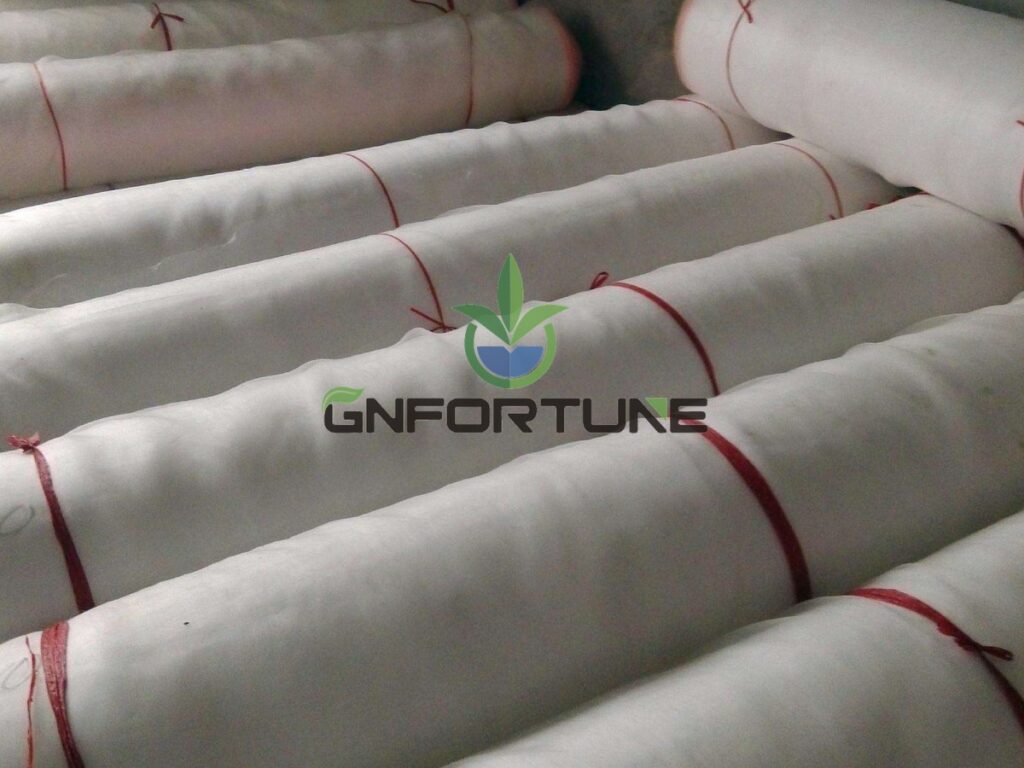
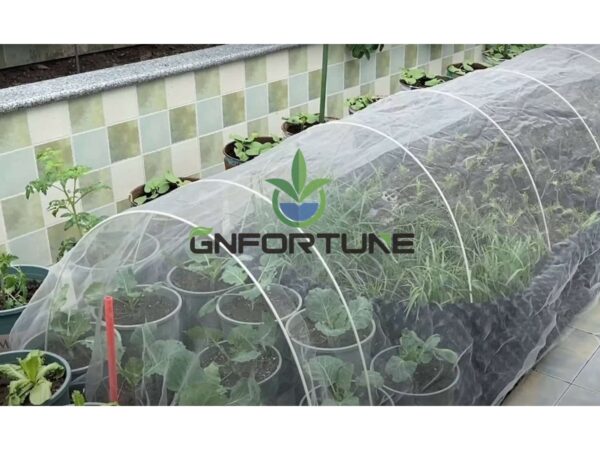
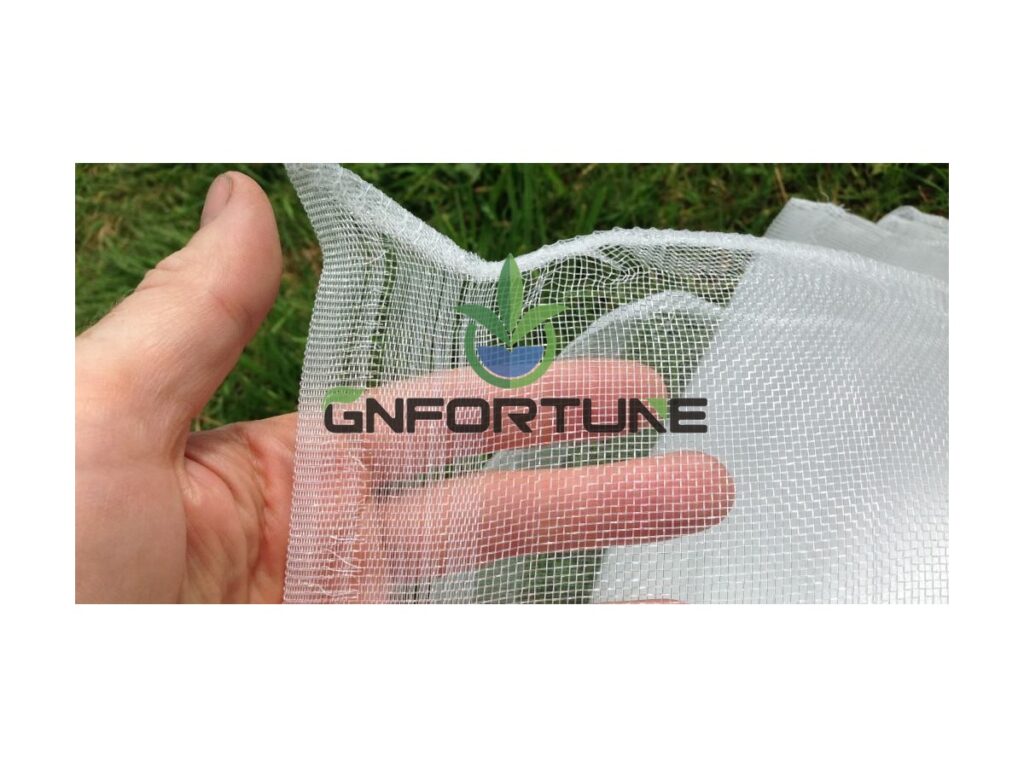
| 配图 Images | images/c14-fine-mesh-insect-netting.jpg(alt: Fine mesh insect netting installed as the first exclusion barrier against thrips and whitefly) images/c14-insect-netting-over-crop.jpg(alt: Insect netting covering crop rows to reduce pest entry into the growing area) |
Most thrips control greenhouse hydroponics programmes fail on scouting discipline, not on product choice. The farm applies something, the catch drops for a week, and the population returns — because the decision was made from memory instead of a counted trend. Thrips and whitefly punish hydroponic operations specifically: production runs year round, the canopy is always a host, and the houses are warm and enclosed. This article sets out a weekly scouting routine — trap placement, counting method, action thresholds, control windows, biological releases and the escalation ladder that connects them.
Why thrips and whitefly punish hydroponic crops
Both pests combine direct feeding damage with virus transmission, and both exploit a house that never has a genuinely crop-free period. Pressure therefore starts higher each season unless the farm actively resets it.
- Thrips. Adults and larvae feed in growing points, buds and flowers — where contact control reaches least — and part of the life cycle develops off the plant, so one application rarely covers a generation.
- Whitefly. Populations build on leaf undersides and reproduce quickly in warm houses; honeydew supports sooty mould, slows the pack line and raises disease pressure.
- Virus risk. Both are vectors. One viruliferous insect can cost more than visible feeding damage, which is why propagation thresholds sit far below those in a mature crop.
Once virus symptoms are suspected, handling rules change completely — isolation, bagging and tool hygiene first. Those steps are set out in plant virus prevention in hydroponic greenhouses. Honeydew also raises fungal pressure; fungal diseases in hydroponics: mildew and botrytis helps separate the two when leaves are downgraded.
Where they come from and why exclusion comes first
Pressure arrives through four routes: incoming plant material, vents and doors, people and clothing, and weed or cull material around the house. Exclusion and quarantine are cheaper than any response, because they act before the pest is inside a crop that will take weeks to turn around.
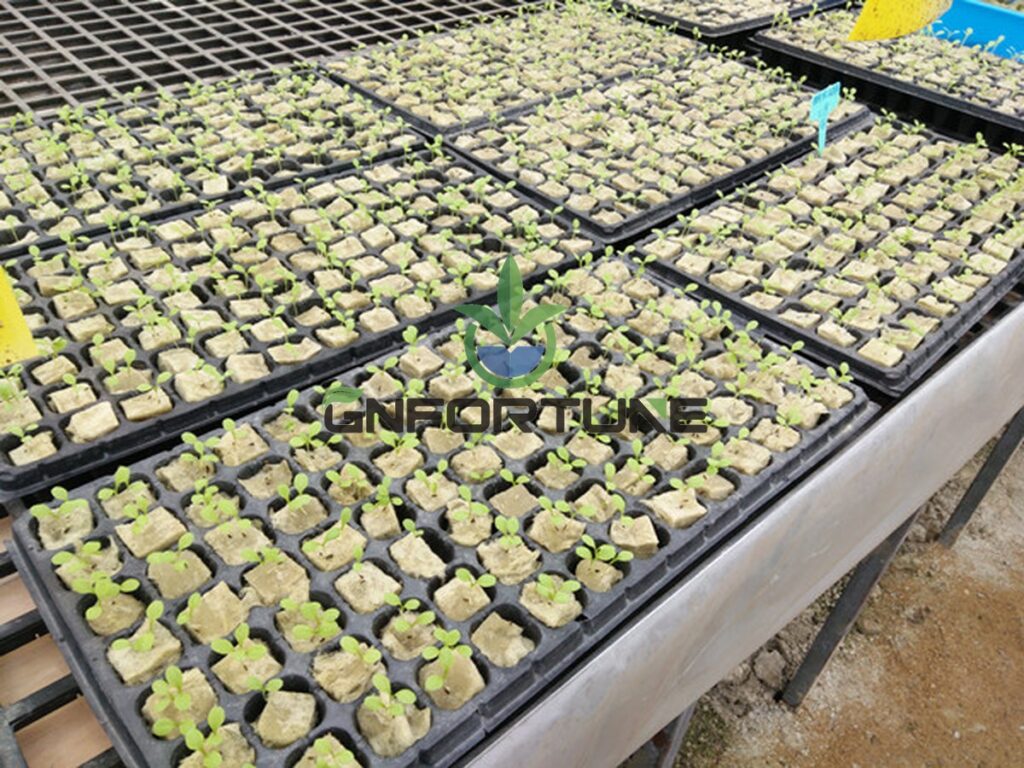
- Incoming seedlings and plugs. The most common route on farms that buy propagation in: quarantine new material, scout it there, and only move it into the crop once it is clean.
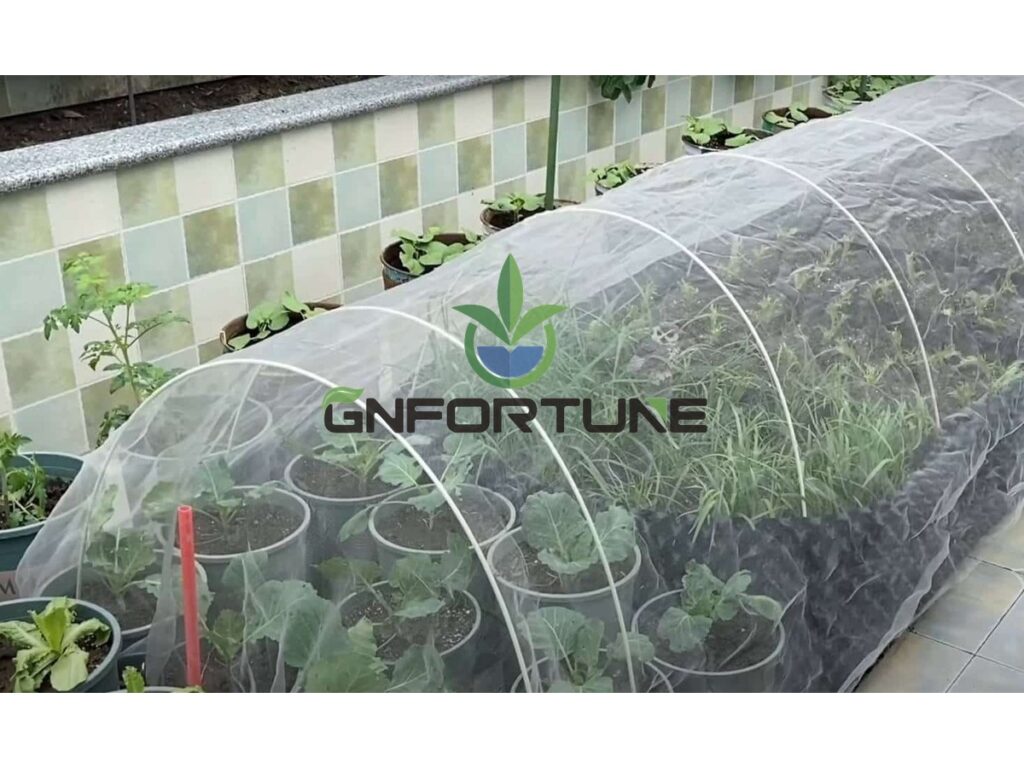
- Vents and openings. Fit insect netting everywhere, with mesh aperture chosen for the target pest — confirm the aperture with the supplier rather than assuming a standard grade.
- Doors and people. A double-door entry or airlock, a sticky mat at the threshold, and a rule that clothing does not move from a hot block into a clean one.
- Waste and weeds. Covered cull bins removed from the house, plus weed control in the apron outside the structure.
Netting has a real trade-off: finer mesh restricts airflow, raising temperature and humidity. Mesh aperture has to be chosen together with the ventilation design, not retrofitted alone, and sealing the remaining gaps is part of the same job — see sealing greenhouse openings for pest exclusion.
Trap placement and how to count
Traps give a relative index, not an absolute population. Thrips control greenhouse hydroponics programmes depend entirely on repeating the same method — same positions, same weekday, same counting rule — so the numbers stay comparable.
- Colour. Yellow attracts whitefly and other flying pests; blue is commonly used for thrips. Run both at fixed paired positions where both pests are in the programme.
- Density. A planning assumption of one card per 100–200 m², plus extras at vents, doors and hotspots; adjust after the first month of data.
- Height. Just above the canopy, raised as the crop grows; on vine crops keep some cards at crop-head height and some lower.
- Mapping. Number every card on a plan. Edge cards read differently from interior ones — use them deliberately as an entry indicator.
- Counting. Fixed weekday and time, thrips and whitefly separately, over a marked strip rather than the whole card. Change cards weekly and record both catch and trend.
Traps alone under-report thrips, because adults feed inside flowers and buds. Add a plant inspection to the same round: a fixed number of plants per zone, leaf undersides checked, flowers tapped over a white card.
Thresholds and control windows
An action threshold is the catch level at which the cost of waiting exceeds the cost of acting. There is no universal number: it depends on crop value, market tolerance, virus risk, the state of the biological programme and the season. Start from a conservative internal value and refine it with the farm’s own packout data.
Thresholds differ by crop stage: propagation and young plant blocks act on very low counts because of virus risk, while a mature crop with an established predator population can be monitored instead. For whitefly the adult count is only half the signal — nymphs on the underside of middle leaves indicate establishment.
Four windows decide how effective any intervention is:
- Propagation and young plant window. Cheapest point of control: smallest canopy, least labour per plant, protection before pests establish.
- Pre-flowering window on vine crops. Intervene before thrips move into buds, where contact coverage is poor.
- Turnaround window. The only time structure and floor can be cleaned without crop in the way — use it to reset pressure, not to fix a blown threshold.
- Windows between biological releases. Applications have to respect the interval the biological supplier specifies, or the programme loses the agents it is paying for.
Use only products registered for the crop and country concerned, at label rates, respecting re-entry and pre-harvest intervals. Rotate modes of action and record every application with rate, area and reason — an unlabelled drum and a good memory are not a resistance plan.
Biological releases and what changes the plan
Biological control works when agents are released before the pest establishes, in the right place and at a rate matched to crop area and pressure. Releases made after a threshold has been exceeded rarely catch up alone; they become a supplement to a corrective treatment, not a replacement.
- Preventative introductions. Low-rate, regular releases across the house from before the pest is detected, so agents are present when it arrives.
- Corrective releases. Higher rates at mapped hotspots, decided from the trap map rather than a walk down the aisle.
- Matching agent to stage. Foliar predators take larvae and adults; medium- and floor-dwelling mites target the off-plant stages. Most programmes need both.
- Support. Banker plants or slow-release sachets keep a parasitoid population going between pest flushes.
Three things change the plan more than anything else: an application with residual effect on the agents, temperature or humidity outside the working range for the species, and a persistent source of re-entry such as a vent gap or a cull bin by a door. Rates and intervals are programme specific — see biological control in hydroponic greenhouses: release rates, monitoring and QA.
Weekly records and escalation
One sheet, one weekday, ideally the same person. The record turns a catch number into a decision, and it is the evidence a buyer or auditor asks for when a crop is rejected.
| Field | Why it is recorded | Frequency |
|---|---|---|
| Catch per card ID, thrips and whitefly separate | Builds the trend and locates hotspots | Weekly |
| Plant inspection result per zone | Confirms whether the trap index reflects the crop | Weekly |
| Hotspot map update | Directs corrective releases instead of blanket treatment | Weekly |
| Biological releases: species, rate, area, date | Explains gaps in control and protects the programme | Per release |
| Applications: product, rate, reason, area | Resistance management and harvest interval compliance | Per application |
| Plant material intake and quarantine status | Traces where a new introduction came from | Per intake |
An escalation ladder keeps the response proportionate. Level one — index rising, no damage: scout more often, mark the hotspot, adjust the release plan. Level two — threshold exceeded locally: hotspot treatment plus corrective release. Level three — threshold exceeded across zones, or any virus symptom: escalate to the crop advisor, isolate and bag symptomatic plants, and review exclusion before applying anything. Keep card IDs in the asset register for hydroponic equipment so a moved card does not silently corrupt a season of trend data.
FAQs About Thrips and Whitefly Scouting
Which colour trap for which pest?
Yellow attracts whitefly and other flying pests; blue is commonly used for thrips. Farms running both keep both colours at fixed paired positions so the two indices stay comparable week to week.
How many traps does a house need?
Start with a density the team can realistically count weekly — a planning assumption of one card per 100–200 m² plus extras at vents, doors and hotspots — then adjust once the variation between positions is visible.
Can a thrips outbreak be sprayed away?
Rarely on its own. Thrips feed inside buds and flowers and part of the life cycle develops off the plant, so one application leaves the next generation intact. Exclusion, biologicals and registered products in the right window have to work together.
When should biologicals be released?
Before the pest establishes, at the rate and interval the supplier specifies for the crop area and pressure. Corrective releases at hotspots supplement a programme; they do not replace one that started too late.
What is the cheapest thrips control greenhouse hydroponics step?
Exclusion and quarantine: netting sized to the pest and the ventilation design, sealed openings, and new plant material held and scouted before it enters the crop.
Related Reading
- IPM for Hydroponic Greenhouses: A B2B Playbook — The IPM playbook behind any scouting programme
- Biological Control in Hydroponic Greenhouses: Release Rates, Monitoring and QA — Release rates, monitoring and QA for biological control
- Greenhouse Insect Netting: Mesh and Install — Insect netting mesh sizes and the installation details that fail
- Sealing Greenhouse Openings for Pest Exclusion — Sealing greenhouse openings, which is where exclusion actually happens
- Pesticide Residues and MRL Compliance for Hydroponic Produce — Residue and MRL limits that cap what a control window can use
Next Step: What to Send for a Quotation
Thrips control greenhouse hydroponics comes down to exclusion, counting and timing. Exclusion is a specification exercise, not a shopping list: mesh aperture, vent area, door configuration and quarantine space have to be sized against the crop, the climate and the pest pressure the site actually sees.
For a structure and exclusion package quotation, send: greenhouse dimensions and bay layout, vent type and total vent area, crop and cycle plan, target pest list and current pressure records, existing biological programme, local climate data, automation level, target commissioning date and budget range. G AND N FORTUNE LIMITED supplies greenhouse structures, insect netting and matched equipment, quoted against project parameters.