Rodent and Bird Control in Greenhouses and Pack Houses
Rodents and birds fail audits the same way they fail crops: evidence left in the open. A single dropping on a grading line, a chewed emitter or a nest in a heater house reads as lost control, and food safety standards treat it as a major finding rather than a housekeeping note. A rodent control greenhouse program therefore runs on three things done consistently: exclusion that closes real gaps, a numbered station map with a monitoring cadence, and twelve months of retrievable evidence. The sections below set out each part, with the specifications that hold up on site.
Why Auditors Care: Droppings, Urine and Contamination
Auditors score what they can see and what the file can prove. Vertebrates score badly on both, since droppings land on product contact surfaces and the record usually shows nobody looked between service visits.
| Sign | What it looks like | Why it is a finding |
|---|---|---|
| Droppings on line | Black pellets on belts, ledges, inside trays | Direct route to contact surfaces |
| Urine trails | UV-visible streaks along wall-floor joints | Shows an active route, not a visitor |
| Gnaw damage | Stripped cable insulation, chewed drippers | Damage plus fire and leak risk |
| Nesting material | Shredded packaging in racking or heater housings | Harborage close to product |
| Bird activity above | Feathers and nests on roof beams | Contamination from above the line |
The distinction that decides the finding is historic versus active. Old droppings that grey and crumble are a cleaning failure; fresh droppings that smear are a program failure. Thresholds written here also have to agree with those in the IPM playbook for hydroponic greenhouses.
Exclusion First: Doors, Curtains and Vent Mesh
Baiting without proofing lowers numbers temporarily, because the gap that admitted one animal stays open. Walk the perimeter at floor level, then at roof level, and write down every opening larger than a thumb.
Two numbers decide most of the specification: a house mouse fits through about 6 mm, a Norway rat through roughly 20 mm.
Every opening above 6 mm is a decision, not a detail. The same defects recur on site: roller shutters stopping 15 mm short of the slab, foam-sealed pipe penetrations chewed back out within a season, and vent frames gasketed perfectly with a torn screen behind them. Close the gap before adding a station.
| Element | Target specification | Reason |
|---|---|---|
| Personnel door bottom | Gap of 6 mm or less, brush plus threshold | Standard mouse entry point |
| Roller shutter | Brush seals both jambs, auto-closing, seated | Rat entry and bird access |
| Pipe penetrations | Galvanized mesh packed tight, then sealed | Foam alone gets chewed out |
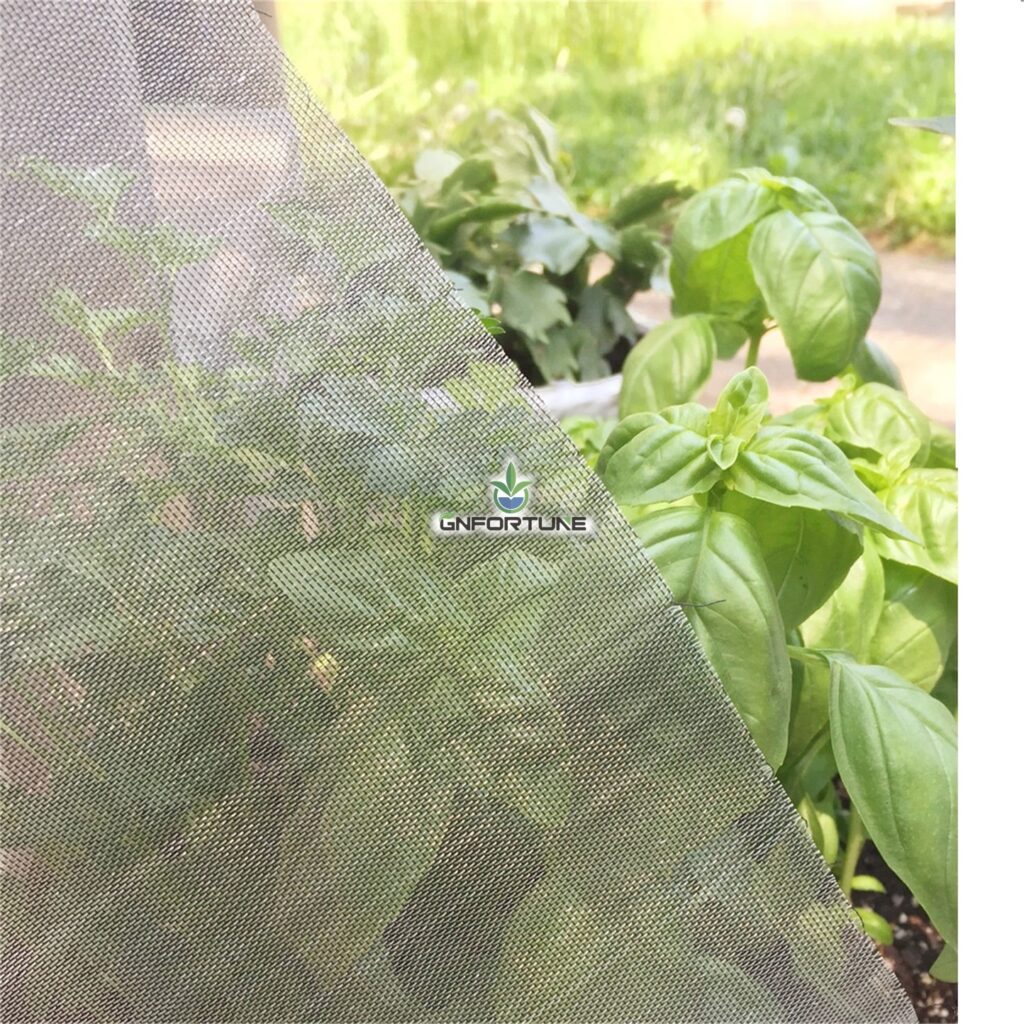
| Vent openings | Insect-proof screen, frame gasket, no tears | Dual insect and rodent barrier |
| Floor drains | Removable grates, 6 mm openings or less | Common rodent route in |
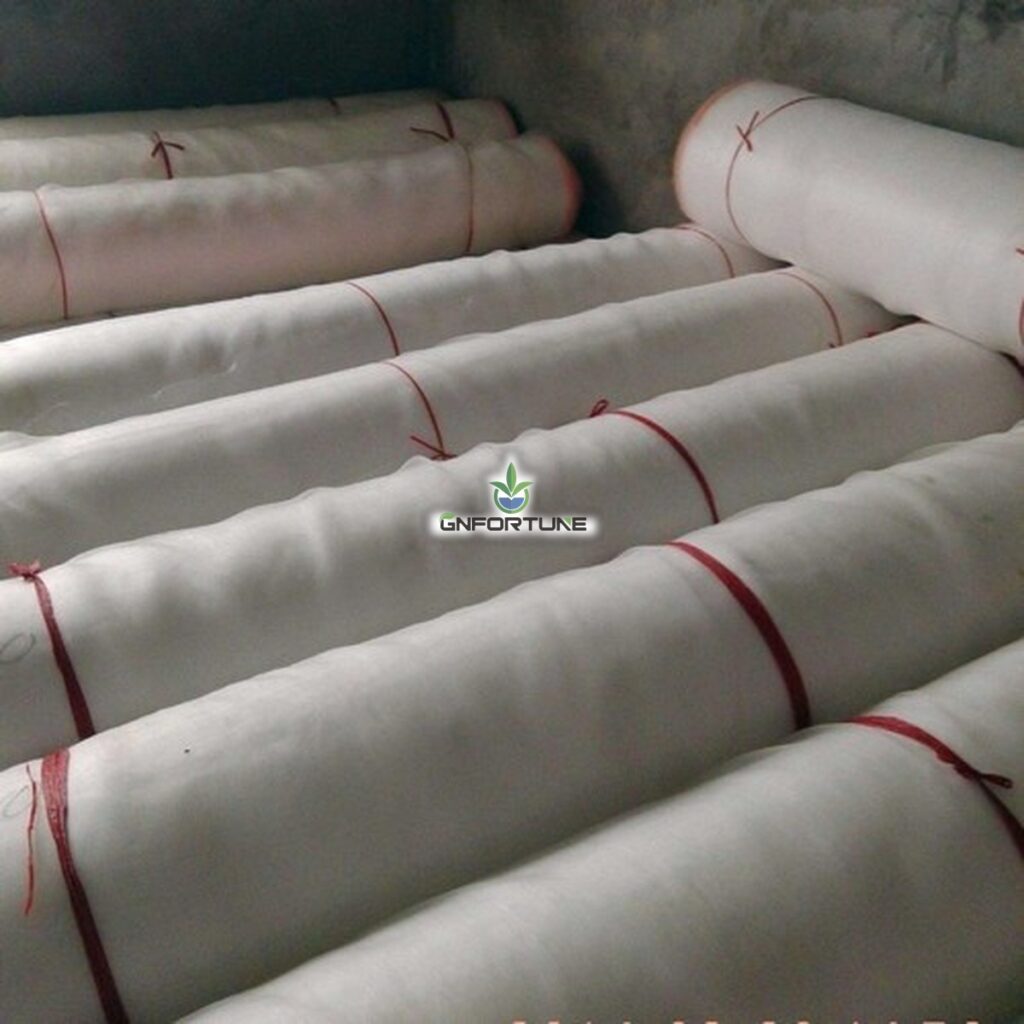
Mesh selection needs its own drawing: the aperture that stops thrips is not the aperture that stops a starling. Installation detail sits in the article on greenhouse insect netting, mesh and installation, and the methods for every other gap are covered in the pest exclusion and sealing guide.
Rodent Control Greenhouse Bait Station Map and Numbering
A station map turns scattered boxes into a monitored system. Draw the site plan to scale, number every station, and use the same numbers on the lid, the service report and the trend chart. Auditors cross-check all three, and a mismatch reads worse than a dirty finding.
- External perimeter: stations 15 to 30 m apart, tighter at dock doors, waste areas and drain outfalls.
- Interior pack house: trapping preferred over bait, at 6 to 12 m along walls and either side of external doors.
- Numbering: prefix by series, E external, I internal, T trap, then a two-digit sequence.
- Fixing: anchored, tamper-resistant, labelled with the product reference, never loose in a corner.
- Crop areas: use only rodenticide registered for that use in the operating country.
Placement follows behavior rather than convenience: runways sit along wall-floor junctions, behind racking legs and under skids, so stations go there rather than in open aisles where they photograph well.
Monitoring Cadence and Threshold Records
An interval without a threshold produces reports nobody acts on. Write the inspection interval per zone, the number that triggers action, and who signs off the escalation.
| Zone | Default interval | Action threshold |
|---|---|---|
| External perimeter | Monthly low season, weekly at harvest | Two or more active stations in a run |
| Interior pack house | Weekly | Any capture triggers an inspection walk |
| Crop bays | Weekly walk plus trap count | Any capture reviewed with the IPM lead |
| Loading and waste | Weekly | Activity on two visits triggers proofing |
| Roof voids, plant rooms | Monthly | Any dropping triggers a call-out |
Each line records station number, activity, bait consumed, captures and the dated action taken. Trending then becomes possible: seasonal peaks, chronic hotspots by door, and stations that stay empty because they were sited badly. Product timing also interacts with other programs, since application needs to sit outside the release calendar covered in the guide to biological control release rates and QA.
Bird Control Pack House Doors, Curtains and Roost Points
Bird problems in a pack house are structural before they are behavioral. Doors stand open during grading, so the building itself has to stay closed while traffic moves.
- Strip curtains: PVC at 2 to 3 mm, overlapping enough to close the gap, replaced before they curl.
- Airlock: two interlocked door sets where volume justifies it; one curtain rarely holds against wind.
- Roost removal: beams and pipe runs fitted with profiles over 45 degrees or bird wire.
- Attractants: lidded waste bins, no standing water on the apron, spilled seed swept the same shift.
Netting needs its own aperture logic; the choice between types is set out in the comparison of shade net, insect net and bird net. Fit it on a taut frame rather than draped, since a slack panel droops into the gap it was bought to close.
Working With a Pest Control Contractor
The contract, not the technician, sets what the program delivers. Scope documents specify visit frequency by zone, approved active substances, response time, map ownership and report deadlines.
- Licensing: applicator licensed for the jurisdiction, insurance current, training on file.
- Report content: per-station findings, product and quantity, recommendations, issued within 24 hours.
- Annual review: trend analysis with proofing recommendations, not only a renewal quote.
- Change control: new product or relocated station recorded as a dated map revision.
The pattern worth watching is a contractor who refills bait but never recommends building work. Write the expectation into the scope and check the last four reports for it.
Evidence Pack for Audits
An audit of vertebrate control runs about thirty minutes, mostly in the folder. Keep twelve months in one indexed file:
- Current dated map with every station, trap and number, plus revisions.
- Signed service reports with findings and recommendations.
- Trend chart showing activity by zone across the year.
- Corrective action log with root cause, owner and close-out date.
- Product labels and safety data sheets for everything applied.
Retrieval drills matter more than extra paperwork. Run the file walkthrough in the internal audit before certification a month ahead and time how long one month plus the revision history takes to produce.
Frequently Asked Questions
How far apart should bait stations go?
A: Fifteen to thirty meters along the external perimeter, tighter at dock doors and waste areas, with interior traps every six to twelve meters along walls.
How often should stations be inspected?
A: Weekly inside during grading and harvest, monthly outside in low season, and stepped up whenever captures show activity.
Can rodenticide go inside the growing house?
A: Trapping is preferred inside. Use only products registered for that use in the operating country, recorded on the map.
What size mesh keeps birds out of vents?
A: Bird netting in the 19 to 28 mm range for sparrows and starlings, on a taut framed panel rather than draped over the opening.
Which record does an auditor check first?
A: The numbered station map, then whether service reports for the same period match its numbers and dates.
A vertebrate program that survives an audit is mostly geometry and filing: close gaps over 6 mm, number what is monitored, keep twelve months retrievable. A rodent control greenhouse plan built this way costs less than reactive call-outs.
Request Vertebrate Pest Control Support
To request our bait station map template and audit evidence checklist for vertebrate pest control, send the building footprint, door positions and current station numbers, and the layout will come back marked with spacing and series numbering.