
Strawberry Plant Replacement: One-Year vs Two-Year
Strawberry plant replacement is the decision that quietly sets the shape of a gutter berry business. Run an annual reset and you buy plants every year, accept a gap in production, and start each season with young, uniform, high-grading fruit. Carry plants into a second year and you skip one reset bill, but you manage runners, thin crowns, and sell smaller berries into a window that may or may not pay for itself. Neither answer is right everywhere. The right one depends on plant cost at your scale, what your buyers pay for grade, and whether your labour calendar has a week to spare.
Strawberry Plant Replacement: Why Yield Drops After Year One
A strawberry plant does not wear out; it changes what it spends energy on. That shift is the whole reason second-year crops behave differently.
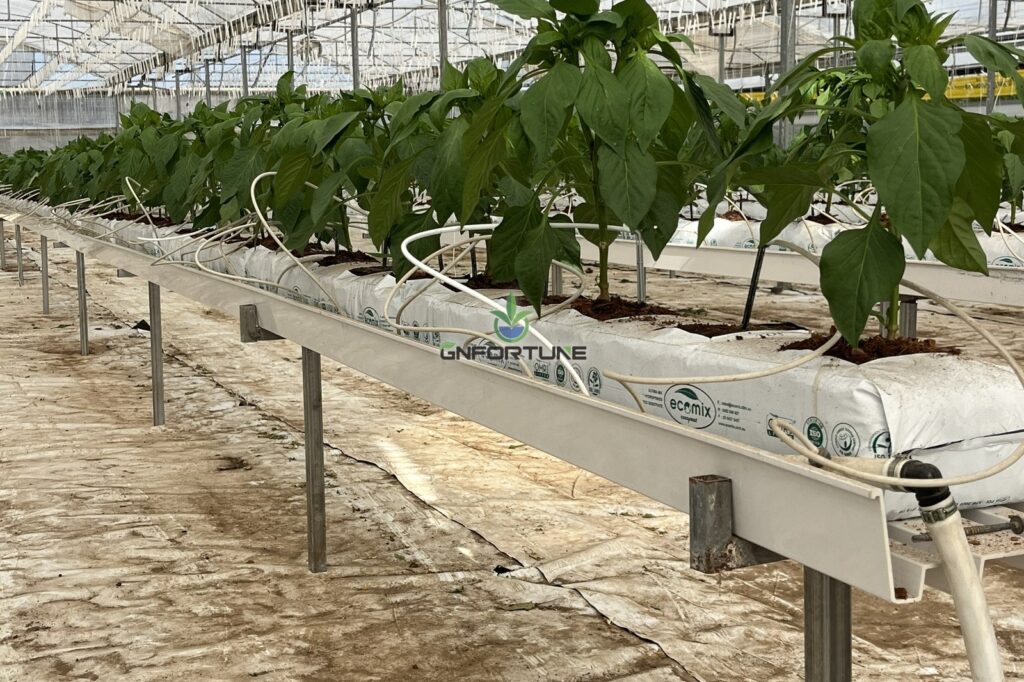
In the first season a plant that was established at the right time builds a strong crown and sets one main fruiting cycle. Once that cycle finishes and day length and temperature move, the same plant diverts reserves into runners and secondary crowns. Left alone, it divides its resources across more growing points, and each one produces less. The practical outcomes growers report are consistent: total yield per plant in year two commonly falls to roughly 60 to 80% of the first year, and average berry weight drops by around 10 to 25%, with more small fruit in the pack. Figures vary by region and season, and by variety, but the direction is stable enough to plan on.
Grade is where the money moves. A buyer paying a premium for large, uniform berries feels that drop twice: less volume and a lower price per kilogram. A processor or a jam line paying on delivered weight barely notices.
Annual Reset: Cost and Downtime
An annual reset is a purchase decision and a scheduling exercise at the same time. The plant invoice is visible; the weeks without fruit are the part that usually hurts more.
| Reset line item | What drives it | Planning note |
|---|---|---|
| Plants | Type, grade and count per metre | Order against gutter metres, not bed area |
| Old crop removal | Labour per metre, disposal route | Book the disposal before the strip-out date |
| Media change or flush | Same media or fresh | Decide with the crop plan, not on the day |
| Clean and sanitise | Gutter surfaces, drippers, returns | Two to four weeks of no production at minimum |
| Replanting labour | Plants per hour, crew size | The peak labour week of the year |
| Establishment risk | Heat at planting, water quality | Young plants fail fastest in the first fortnight |
Timing compresses or stretches that window. Planting fresh material straight after a strip-out usually means a longer wait to first pick; planting cold-stored material into a prepared house lets a farm pull the harvest date forward and hit a specific market week. Either way, budget a gap. A reset that looks like a fortnight on paper regularly becomes three to four weeks once cleaning, media and delivery dates are stacked.
Two-Year Crops: Runner Control and Thinning
Carrying plants is not simply leaving them alone.
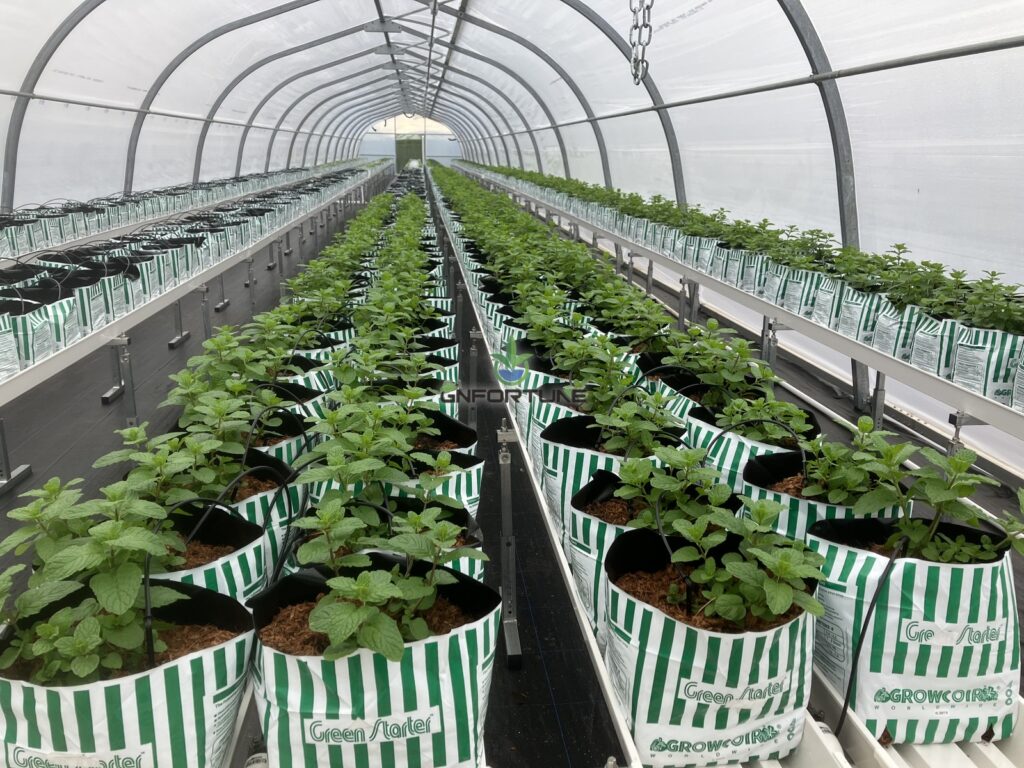
- Runner removal: runners have to be cut on a cycle, not when someone notices. Every runner left on the plant is a competing sink.
- Crown thinning: where a plant has split into several crowns, reduce to the strongest one or two so the remaining fruit sizes up.
- Old leaf removal: strip senescing foliage to open the canopy, improve air movement and cut disease pressure.
- Feeding shift: a bigger plant drinks and feeds differently. Expect to revisit EC and irrigation frequency for the second season rather than reusing year-one settings.
- Sanitation: a canopy that has been through one season carries more inoculum. Hygiene standards have to rise, not hold.
The arithmetic is straightforward: add up the runner and thinning passes across the season and compare the hours against the plant bill you avoided. On farms where labour is the binding constraint, that comparison usually favours the reset.
Cold Storage vs Fresh Tips
Plant type decides both the cost line and how much control you have over the harvest calendar.
| Plant type | Typical use | Planning implication |
|---|---|---|
| Fresh tips or tray plants | Standard seasonal planting | Cheapest per plant; delivery date drives planting date |
| Cold-stored tips | Programmed harvest windows | Held near 0 to 2 °C; lets you place the flush, at a higher cost |
| Waiting-bed or tray plants | Higher early yield | Bigger plant, bigger invoice, shorter establishment risk |
| Second-year carried plants | Cost avoidance | No plant invoice; more labour and lower grade |
Cold-stored material is the tool that turns an annual reset from a shutdown into a scheduled gap. It costs more per plant and it has a shelf life once it leaves storage, so it only works if the house is genuinely ready: cleaned, media in, irrigation tested, and the planting crew booked.
Media Replacement Ties the Decision
Substrate and plant age are one decision, not two. Coco and other organic media commonly run two to three cropping cycles before structure and drainage degrade, and a lot of farms replace media at every reset simply because stripping plants out of a gutter is the only convenient moment to do it.
That convenience is worth something. If the plan is to carry plants a second year, the media decision has to be made on its own merits: can this substrate hold structure and drainage for another season, and can it be flushed and sanitised to a standard you are willing to plant into? If the answer is no, the second-year saving shrinks, because the strip-out you were avoiding has to happen anyway. See the grow bags and slabs buying guide for what to check on substrate before committing to a second cycle, and the spent growing media disposal guide for the cost of the other end.
Labour Calendar Impact
Annual and two-year cycles produce completely different labour shapes, and that is often the decisive factor on farms that are already short of people.
An annual reset concentrates work: a hard strip-out week, a replanting week, and then establishment. It is predictable and it can be resourced with temporary labour, provided the plants arrive on the day they were promised. A two-year crop spreads work more evenly, but it never fully stops: runner cutting, thinning and leaf removal run through the season in addition to picking, and the picking itself is slower because fruit is smaller and less uniform.
Farms running several blocks often split the difference on a rolling basis, resetting a portion of the area each year. That keeps the labour peak manageable and keeps a known share of the crop in first-year grade. It also means the planting calendar that holds has to be maintained carefully, since blocks are now at different ages with different feed and labour needs.
Price the second year in labour hours, not in avoided plant cost. The plant invoice is the number everyone quotes when defending a two-year crop, and it is the only number on the sheet that is easy to read. Set beside it the runner passes, the thinning, the slower picking and the lower pack-out grade, and then compare the whole column against a reset. Where plants are cheap and labour is scarce, the reset nearly always wins.
Frequently Asked Questions
How much does strawberry yield fall in the second year?
A: Commonly to around 60 to 80% of the first-year figure, with average berry weight down roughly 10 to 25%. Figures vary by region and season and by variety.
How long does an annual reset take out of production?
A: Plan for two to four weeks with no fruit once strip-out, cleaning, media work and replanting are stacked. Programs using cold-stored plants can compress the window if the house is ready.
Can gutters and media be reused for a second cycle?
A: Gutters yes, after cleaning and sanitising. Organic media can often run two to three cycles, but check structure and drainage before relying on it for another season.
Is a two-year crop ever the better commercial choice?
A: Yes, where plants are expensive or hard to import, and where the buyer pays on weight rather than grade. It is a weaker choice where large uniform fruit carries the price.
What plant type gives the most control over harvest timing?
A: Cold-stored tips, held near 0 to 2 °C, let you place the fruiting flush against a market week. They cost more per plant and need a house that is genuinely ready on the day.
Request a Gutter System Quote
The strawberry plant replacement decision is won on three numbers that a supplier can help you put on one page: plant cost per metre of gutter, the weeks of production lost to a reset, and the labour hours a second year actually consumes. Set them side by side with the grade your buyer pays for, and the answer usually stops being a matter of opinion.
Send gutter length, plant spacing, target planting and harvest weeks, and whether media stays or goes, and the team will return a layout and a plant count sized to your cycle. To request a gutter system quote sized to your cycle plan, include the plant type you intend to buy.


