

A Simple Question With a Complicated Answer
“Can hydroponic produce be certified organic?” has different answers in different markets, and the rules have changed more than once in the past decade. Some schemes allow container and substrate growing with approved nutrient inputs; others restrict organic status to soil-based systems, and a few allow certification with stricter conditions than field production.
That means organic certification for hydroponics is a market-by-market question. This guide covers what to check, what generally is and is not permitted, what it costs, and how to judge whether the premium is worth the work for your operation.
Start With the Destination Market
| Question | Why it decides everything else |
|---|---|
| Where will the produce be sold? | Certification is a claim valid in a jurisdiction, not a universal status |
| Which scheme does that market recognise? | Different schemes have different rules on soilless production |
| Does the buyer require a specific scheme? | Retailers often accept only one or two |
| Is the crop eligible under that scheme? | Some schemes treat crops by type, and container growing differently from field |
| Is a conversion period required? | It affects the timetable and therefore the cash flow |
| Are your inputs permitted? | Fertilisers, substrates and pest control products all have approved lists |
The practical sequence is: pick the market, pick the scheme, read its standard for protected and soilless cropping, then design the system. Doing it in the other order leads to a facility that cannot be certified where you intended to sell.
What Is Usually Allowed, and What Usually Is Not
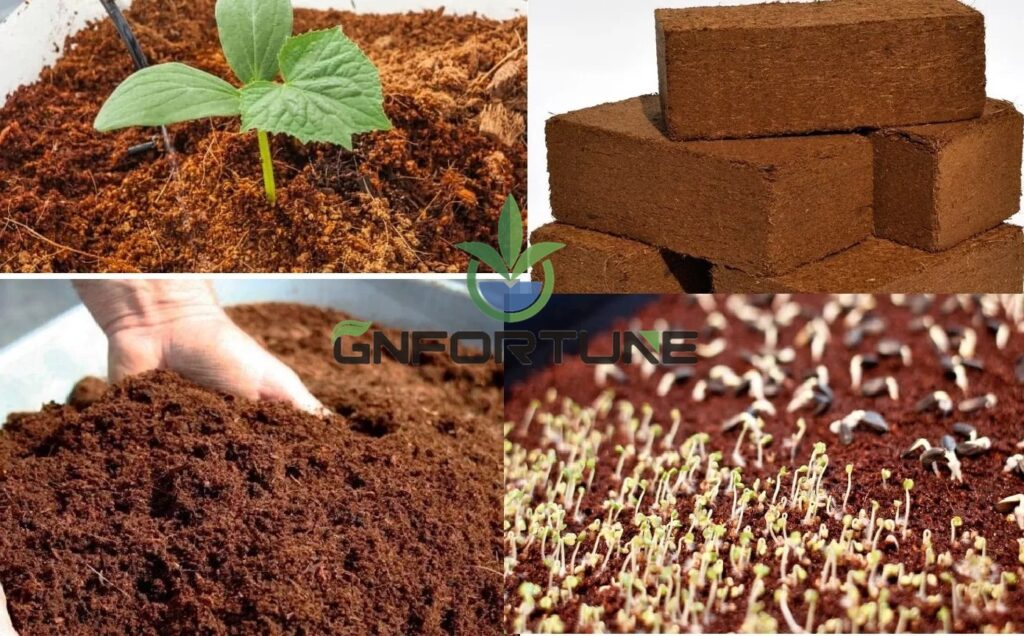
- Substrates: permitted in many schemes where they are of natural origin and not a prohibited material. Rockwool and similar synthetic media are treated restrictively in some standards.
- Nutrient inputs: the main battleground. Fully soluble mineral nutrients are restricted or prohibited in the strictest standards, while schemes that allow container growing maintain approved input lists.
- Pest and disease control: biological controls, physical barriers and approved substances only. Any prohibited product application during the certification period is a breach.
- Seed and propagation material: organic seed is generally required where available, with derogations in defined circumstances.
- Growing system: some schemes explicitly permit NFT, DWC and substrate systems; others permit them only under conditions about nutrient sourcing.
- Records: input purchases, applications, harvests, sales and traceability. Certification is audited, not declared.
Never design on the assumption that “hydroponics is organic” or that “hydroponics cannot be organic”. Both claims circulate widely and both are wrong in general. Read the standard for your specific target market.
What Certification Actually Costs
| Cost item | Nature of the cost | Planning note |
|---|---|---|
| Application and certification fee | Fixed and annual | Usually scaled by turnover or area; ask for the schedule, not the headline |
| Inspection visits | Per visit, sometimes plus travel | Unannounced visits occur; be audit-ready at all times |
| Conversion period | Lost premium during the transition | Typically the largest economic cost for an established farm |
| Input substitution | Higher input cost or lower efficacy | Approved inputs often cost more and sometimes work less well |
| Record systems | Time and possibly software | Cannot be retrofitted after the fact; the audit is evidence-based |
| Segregation and handling | Storage, cleaning, separation of organic and non-organic | Matters most where the same site runs both streams |
| Yield and quality effects | Can be positive or negative | Model it on your own crop rather than assuming a loss |
Does the Premium Pay?
The honest answer is: sometimes, and it depends on where you sell. Work the calculation on evidence rather than on the industry assumption that organic is worth a premium.
- Find the actual price differential for your crop in your market, from a buyer, not from a blog
- Subtract the cost of certification, including the annual fee and inspection costs
- Add the input substitution cost, which is often larger than the certification fee itself
- Add the record-keeping and audit labour — real hours, every week, not only at audit time
- Consider the conversion period in your cash flow, if one applies
- Then compare with what the same volume would earn in the conventional market, in the channel you can actually access
Two outcomes are common. In markets where organic supply is tight and buyers pay a genuine differential, certification pays well for a well-managed operation. In markets where organic produce is already abundant, the premium is thin and the same effort is better spent on consistency, shelf life and service level.
Certification as a Management System
Even where the premium is modest, there is a secondary benefit: the documentation discipline is largely the same as that required by retail food safety schemes. Farms that hold both find the incremental effort of the second is far smaller than the effort of the first.
- One record system, two standards. Design records to satisfy the strictest scheme you hold
- Train staff once, to the stricter rule. Mixed practice in the packhouse is the most common audit finding
- Keep a change log. When a standard is revised, record the date you assessed it and what changed
- Audit internally before the auditor arrives. A walk-through with the standard in hand finds most issues at zero cost
FAQ
Is hydroponic produce allowed to be called organic?
In some markets and schemes, yes, with conditions on nutrient sourcing and substrate. In others it is restricted or excluded. There is no universal answer — confirm the rules for your destination market before designing anything.
How long does certification take?
It depends on the scheme, whether a conversion period applies and how ready your records are. Begin with the standard in hand and expect several months of documentation and at least one inspection before a certificate is issued.
Can I certify part of my farm?
Usually yes, but the standards require clear separation of organic and non-organic production, storage and handling, and you must be able to demonstrate that separation to an auditor.
What inputs are likely to be a problem?
Fully soluble mineral nutrient formulations and synthetic substrates are the usual sticking points, along with certain pest control products. Confirm each against the approved list in your scheme rather than a supplier’s claim.
Does organic certification replace food safety certification?
No. They are different schemes with different objectives, and many buyers require both. The good news is that a well-run record system serves both.
Is the organic premium worth it?
Only where a real differential exists in your market at your volume. Check with buyers first, model the input substitution cost honestly, and be prepared to conclude that service level and consistency pay better in your market.
Check the Rules Before You Design the System
Tell us your destination market and crop plan and we will help establish which certification route applies, what inputs are permitted, and what the system needs to look like to qualify. Start with the quote form.
Related reading: most certification effort is shared with retail food safety — see the certification and supermarket approval path and what our certifications mean to a buyer, and reduce prohibited inputs through integrated pest management.