A spotless greenhouse full of uniform lettuce photographs well, and that photograph is why farm shops and agritourism keep coming up in hydroponic project meetings. Visitor revenue looks like margin stacked on top of the crop plan. In practice it is a second business bolted onto the first, with its own labour, compliance and biosecurity bills. This article works through the decision honestly: which sites suit visitor trade, what each revenue stream really requires, and when the right answer is a polite no.
What Visitor Revenue on a Hydroponic Site Actually Means
“Visitor revenue” is not one income line. On commercial hydroponic sites it usually takes one of five forms, each with different demands:
- Farm gate and on-site retail: selling produce directly at the farm, either from a small shop or a weekend stand. The simplest entry point, but it only pays where footfall exists.
- Paid guided tours: fixed-price walks through the production house. Needs a safe route, a confident presenter and scheduling discipline.
- Workshops and school visits: structured sessions with an educational payload. Higher price per head, but the highest preparation and safeguarding load.
- Café or snack corner: converts dwell time into spend, but drags the site into food service rules and staffing.
- Events and venue hire: occasional, lumpy income that competes directly with production scheduling.
The streams can be layered, but each added layer multiplies the operational surface a small crew has to cover. Most farms that succeed start with one stream and add the second only after a full season of numbers.
Where Farm Shops and Agritourism Fit a Hydroponic Site
Location decides most of the outcome before any investment is made. As a planning premise, direct visitor trade needs a meaningful catchment within roughly a 30-minute drive, a road connection that delivery trucks already use, and somewhere to park more than two cars. A site that lives on wholesale contracts 90 minutes from the nearest city rarely converts its greenhouse into a destination.
Three structural questions follow:
- Zoning and permission: retail and food service use is not always allowed on agricultural land. Confirm with the local authority before spending on conversion, because a refused change-of-use ends the plan cheaply at this stage.
- Infrastructure: parking, a washroom, a sheltered sales point and a routed walkway are the minimum build list for anything beyond a seasonal stand.
- Labour: a shop opens on a schedule even when the crop does not cooperate. Somebody who is not also running harvest has to staff it.
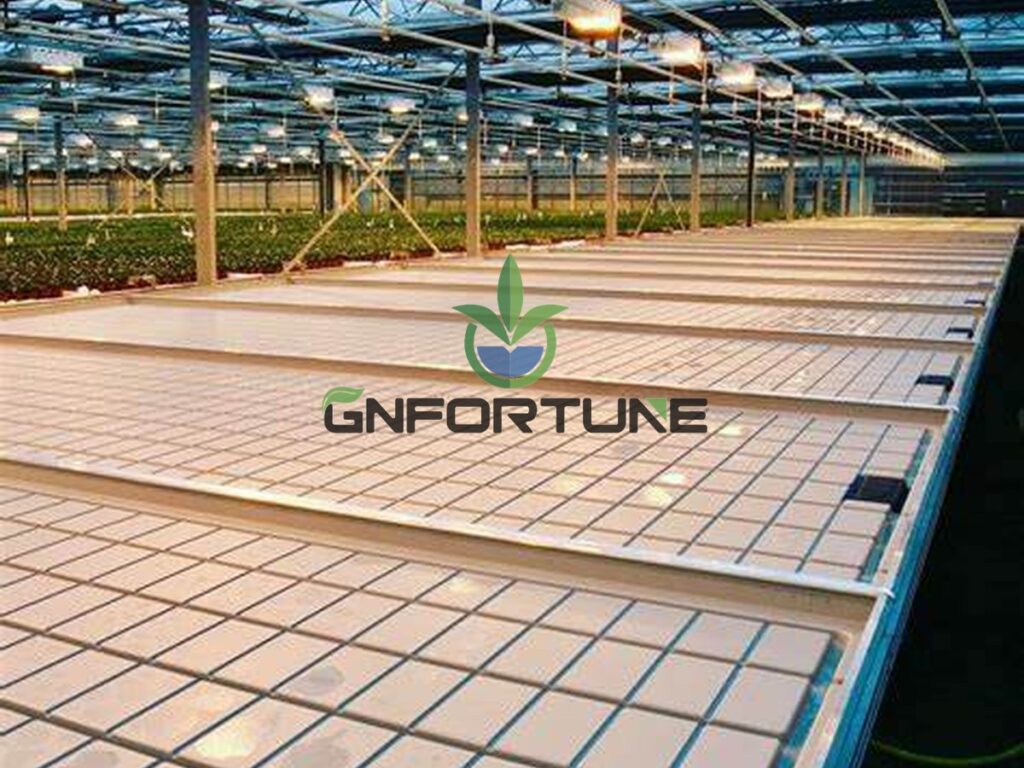
Hydroponic sites do carry one genuine advantage: the crop is visible, clean and presentable year-round, which is exactly the picture visitors pay to see. A soil farm with mud at the gate has a harder story to sell.
The Revenue and Cost Reality, With the Assumptions Stated
Numbers in this section are planning ranges that depend entirely on local market and catchment, so treat them as structure rather than promises. Direct retail pricing for the same grade of produce commonly lands somewhere between 30% and 80% above the wholesale price a farm receives, assuming genuine direct sales and normal local competition. A paid tour only becomes an income line if group frequency is realistic — a site near an urban catchment might plan a few paid groups per week in season, but that assumption has to be tested against actual local demand, not hoped for.
| Revenue stream | What it needs on site | Main constraint | Typical fit for a hydroponic site |
|---|---|---|---|
| Farm gate / retail stand | Catchment, parking, grading and retail packaging | Footfall; labour every opening day | Best first step near towns and tourist roads |
| Paid tours | Safe routed walkway, presenter, booking system | Group frequency; biosecurity discipline | Good where the house presents well year-round |
| Workshops / schools | Session plan, safeguarding checks, indoor space | Preparation time per booking | Suits farms with a dedicated teaching person |
| Café / snack corner | Food service compliance, staff, supply chain | Regulatory load and fixed hours | Only after another stream already works |
| Events / venue hire | Parking, washrooms, catering partners | Conflicts with production schedule | Occasional top-up, not a base income |
Against those revenues sit real costs: retail-grade packaging and grading labour, insurance that covers the public, signage, and the time price of cleaning a house to visitor standard before every opening. On a small crew, two afternoons a week of visitor work is a real production cost, and it should be booked as one.
Biosecurity Is the Price of Admission
Every visitor who walks into a production house is a vector, and a hydroponic monoculture offers the disease exactly one crop to move through. The hygiene mechanics — routed paths, footbaths or shoe covers, hand sanitation, restricted zones, and scheduling visits away from spraying or transplant days — are laid out step by step in the farm’s visitor biosecurity protocol, and that article should be read as the technical companion to this one.
The business point is narrower: biosecurity is a recurring cost and a constraint on the calendar, not a poster at the door. A serious protocol limits which houses visitors enter, adds cleaning labour before and after each group, and can force a tour cancellation the week the crop is most vulnerable. If the farm is not willing to carry that discipline every single opening day, visitor revenue will eventually be paid for in crop losses, and the trade stops being worth it.
A Decision Framework Before You Spend
Run the plan through six questions in order, and stop at the first honest no:
- Catchment test: how many households and school groups sit within a 30-minute drive, and does anyone already run a similar visit nearby?
- Permission check: will the local authority allow retail or food service use at this address?
- Labour audit: which named person staffs the shop and tours, and what does their absence cost production?
- Biosecurity design: can a visitor route be built that never crosses a vulnerable production zone?
- Channel conflict: does direct retail undermine a restaurant or supermarket contract? The pricing rules that keep channel discipline intact are covered in the guide to selling through channels with contracts and pricing discipline.
- Funding honesty: conversion spending competes with the crop budget; the cash sequencing logic is the same as any other pre-revenue outlay described in the article on working capital before first revenue.
A Pilot Season Beats a Grand Plan
The cheapest way to answer the question is to sell before building. Run a weekend stand for one season, or a monthly open morning, using existing packhouse space and temporary signage. Track four numbers: visitors per opening, average spend per visitor, staff hours consumed, and any crop or hygiene incident traceable to the events. Those figures turn the abstract case into a local fact.
Set exit criteria before the pilot starts — for example, a minimum spend per visitor hour of staff time — so the decision after the season is arithmetic instead of enthusiasm. A pilot that clears its bar justifies the parking, washroom and shop investment; one that misses it saved the farm a small construction project.
Farm shops and agritourism reward sites that are already strong at consistency, hygiene and retail-grade grading, and they punish sites that treat visitors as an afterthought. Run the six-question framework, pilot small, and let one season of measured numbers extend or close the experiment.
FAQs About Farm Shops and Agritourism
Can a commercial hydroponic greenhouse be open to visitors without crop risk?
Yes, with an engineered route, entry sanitation and scheduling discipline — but the risk never reaches zero. Most sites exclude visitors from propagation and young-plant areas entirely and accept tours only into houses at a tolerant crop stage.
How much extra revenue should we plan for from visitors?
No universal number exists. As a planning approach, model the retail uplift on a small share of production plus tour fees against a stated catchment assumption, and hold visitor income to a single-digit share of farm revenue until a full pilot season proves more.
Does the farm shop need different packaging from our wholesale crates?
Yes. Retail formats need portion sizing, date coding and labels that meet local food labelling rules, which wholesale crates never carry. Budget both the packaging material and the grading labour behind it.
Are school groups worth taking on a hydroponic farm?
They pay well and fill weekday slots, but they carry the highest supervision and safeguarding load per visitor. Take them only once an unguided-weekend format already runs cleanly.
Should the shop stock only our own produce?
A mixed range smooths seasonality and raises basket size, but resold goods bring labelling, traceability and storage obligations of their own. Confirm local rules before stocking anything the farm did not grow.
Related Reading
- Hydroponic Farm Visitor Biosecurity Protocol — The hygiene mechanics every visitor day has to carry
- Selling Hydroponic Produce: Channels, Contracts and Pricing Discipline — Where direct retail sits among the other channels
- Packaging Hydroponic Produce: Formats, Shelf Life and Retail Requirements — The retail formats a farm shop shelf needs
- Hydroponic Farm KPIs: Yield, Labour Hours and the Numbers That Run a Business — The base numbers any side business has to beat
- Cost per Kilo: Simple Accounting for Lettuce Farms — How to cost the labour visitor trade consumes
Next Step: What to Send for a Quotation
Visitor trade sits on top of a production system that must stay stable regardless of who is watching. If a visitor route, a separate display house or a demo line is part of the plan, it should be designed into the layout from the start rather than carved out of a working house later.
Planning a visitor-capable hydroponic site? For RFQ or project consultation, send: site location and catchment description; greenhouse dimensions and number of houses; system type and target crops; which zones would be open to visitors; intended visitor formats and expected frequency; local permission status; labour plan; delivery schedule; and the budget band. G AND N FORTUNE LIMITED supplies NFT, DWC and Dutch bucket systems and can lay out a split production-plus-demo site quoted to those parameters.