Transplant Shock and Hardening Off Before Planting Out
Transplant shock seedlings are not sick, they are short of water. A plug raised in a propagation room has roots working in a small, wet volume at low EC; moved into a slab, the same roots must pull from a larger, drier, saltier volume under higher light. Hardening off plugs closes that gap before the plant moves. Trays that stall for ten days failed in the nursery, at the EC meter or the shade curtain. This article sets out the hardening schedule by crop and season, the EC targets at transplant, and the first-week plan that decides whether a plant stalls or takes off.
Why Transplant Shock Seedlings Stall: a Root-to-Shoot Mismatch
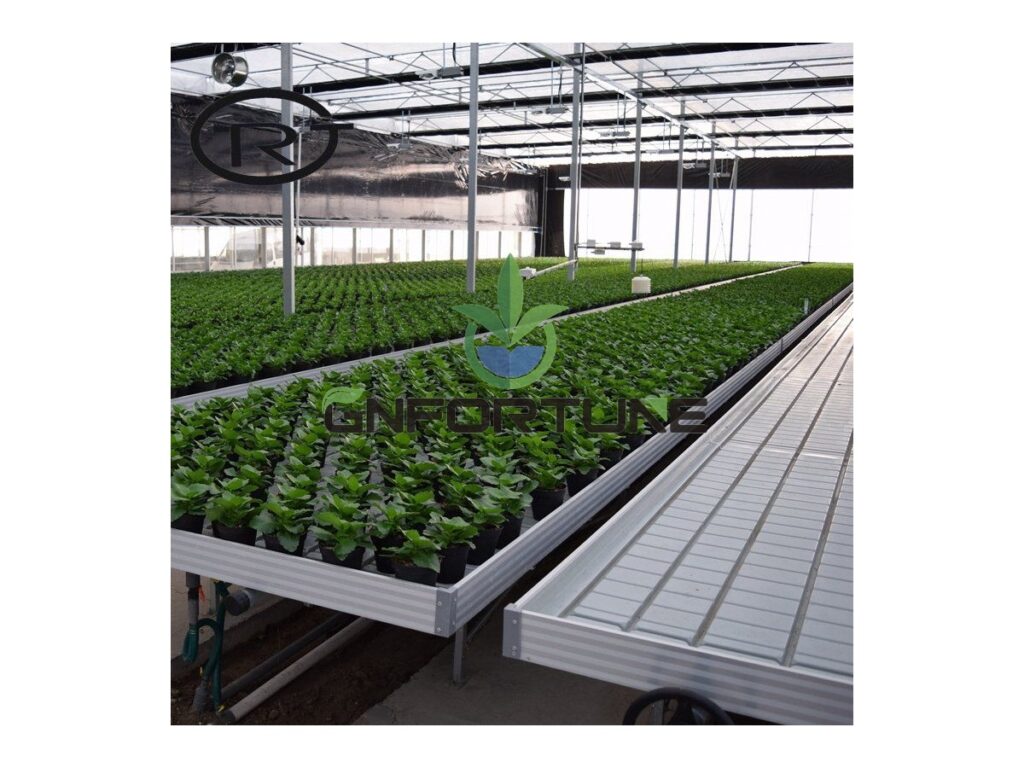
A plug leaves the propagation room with leaf area grown at 60 to 80% relative humidity and a DLI of 8 to 14 mol, and with roots confined to a cell of 15 to 40 mL. In a production house at 60% humidity and a DLI of 20 to 30 mol, that leaf area asks for two to three times the water per hour while the roots sit inside the plug.
The numbers: a bench at 22 °C and 75% relative humidity sits near 0.65 kPa vapour pressure deficit, a house at 25 °C and 60% near 1.27 kPa. Doubling VPD roughly doubles transpiration, and a 25 mm rockwool plug holds only 8 to 12 mL of readily available water. The mismatch is usually built in before the tray is lifted, since a tomato plug raised at a 24 °C night with three feeds a day looks saleable and transplants badly, while the same variety at an 18 °C night roots out two days faster.
Hardening Schedules by Crop and Season
Hardening off plugs is a controlled reduction in water supply and temperature with a controlled increase in light, over enough days that the plant extends roots rather than leaves. The schedule below assumes a move from a bench at 20 to 22 °C to a house 2 to 4 °C hotter.
| Crop | Window | Temperature step | Irrigation change | Light step |
|---|---|---|---|---|
| Lettuce, herbs | 3 to 4 days | Day 18 to 20 °C, night 12 to 14 °C | Three feeds to one per day | Hold near 15 mol DLI |
| Brassica | 4 to 6 days | Day 15 to 18 °C, night 8 to 10 °C | Two feeds to one every second day | No shade; low winter light |
| Tomato | 5 to 7 days | Day 20 to 22 °C, night 16 to 17 °C | Cut volume 30 to 40% | Step 10 to 20 to 25 mol |
| Cucumber | 4 to 6 days | Day 21 to 23 °C, night 18 to 19 °C | Cut volume 20 to 30% | Step 12 to 22 mol |
| Pepper | 7 to 10 days | Day 21 to 23 °C, night 18 to 19 °C | Cut volume 20 to 30% | Step 10 to 18 mol |
Season changes the lever. In spring and summer, raise DLI in steps of 3 to 5 mol and plan 40 to 50% shade for the first three to five days, pulled in two stages by day ten. In winter, shorten the window to two to four days and hold night temperature above the crop minimum, since hardening tomato below 15 °C slows roots more than it toughens the plant.
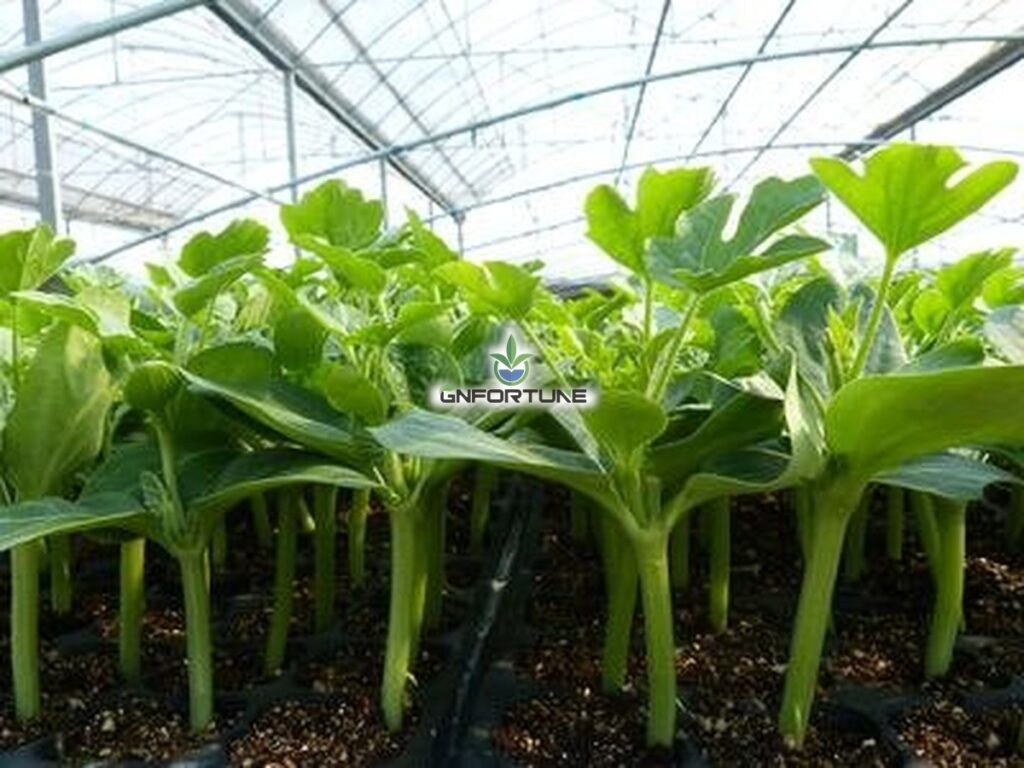
Hardening is a watering and temperature programme, not a starvation test.
A tray that wilts every afternoon has already lost the leaves that were going to fund root growth after planting. The check that matters is turgidity at 14:00 on the last two days: if plugs are soft at that hour, the schedule was too aggressive.
EC and Moisture Targets in the Plug Before Moving
Two numbers decide whether roots cross the plug boundary quickly: the EC inside the medium and the water content at the moment of lift.
| Crop | Plug EC in propagation | Plug EC final 3 days | System EC at planting | Moisture at lift |
|---|---|---|---|---|
| Lettuce, herbs | 1.0 to 1.4 mS/cm | 1.4 to 1.8 mS/cm | 1.6 to 2.0 in NFT | 60 to 70% of capacity |
| Tomato | 1.4 to 1.8 mS/cm | 2.2 to 2.8 mS/cm | 2.8 to 3.2 in slab | 65 to 75% of capacity |
| Cucumber | 1.4 to 1.8 mS/cm | 2.0 to 2.4 mS/cm | 2.6 to 3.0 in slab | 65 to 75% of capacity |
| Pepper | 1.2 to 1.6 mS/cm | 1.8 to 2.2 mS/cm | 2.4 to 2.8 in slab | 60 to 70% of capacity |
Measure by pour-through, or squeeze extract from five to ten plugs per batch; one cell is noise. Read it before the first feed and again on transplant day, because the number drifts upward as trays are top-watered.
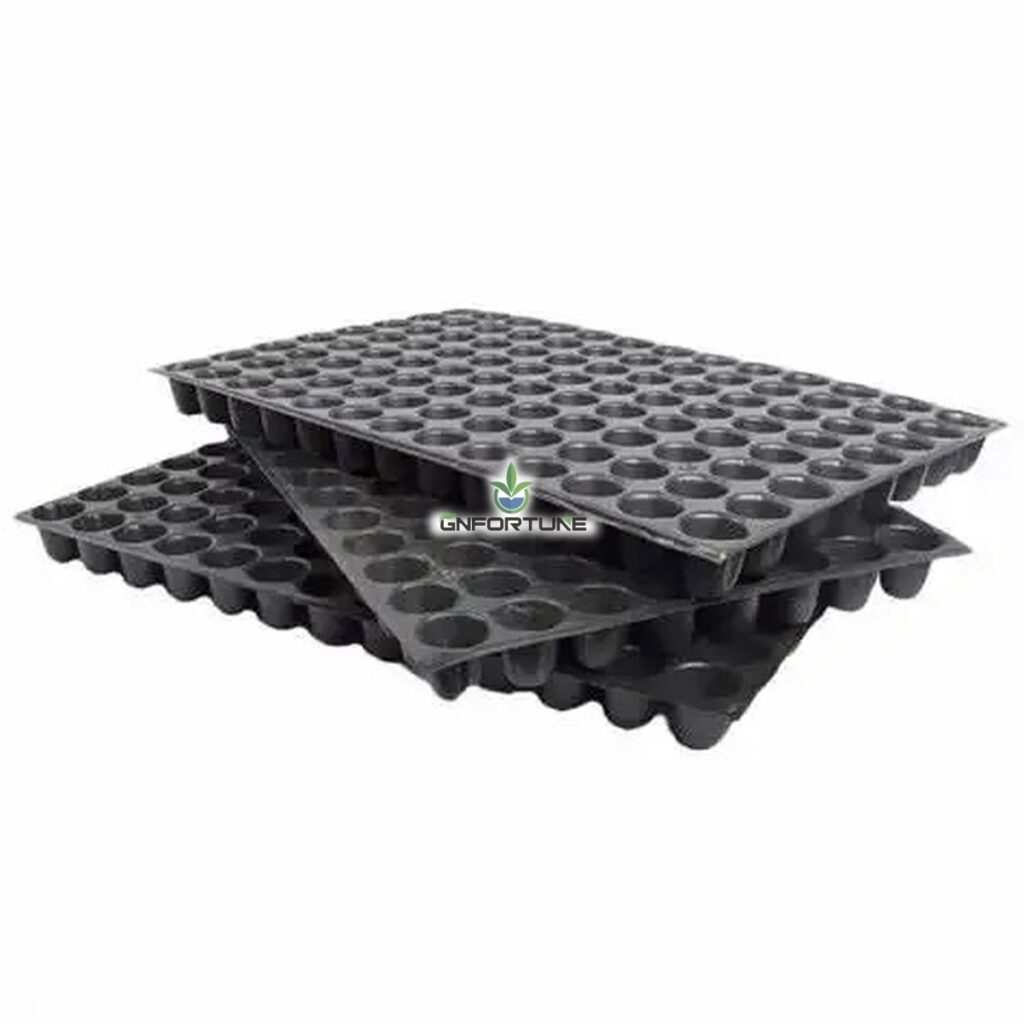
At lift, hold 60 to 75% of container capacity. Saturated plugs have no air space and shear when pulled; below about 45% the root hairs at the perimeter die. Feed two to four hours before lifting, not the night before, and plant into a system within 0.4 to 0.6 mS/cm of the plug. Cell volume and depth set the margin: see the plug tray buying guide and the germination chamber and propagation room guide.
Planting Depth and the Water-In on Day One
Depth decides whether the stem rots or dries. Set the plug top 5 to 10 mm above the slab surface so the crown sits in air, with no gap between the plug base and the media below. Burying the stem invites crown rot; leaving the plug proud by 20 mm stops roots bridging.
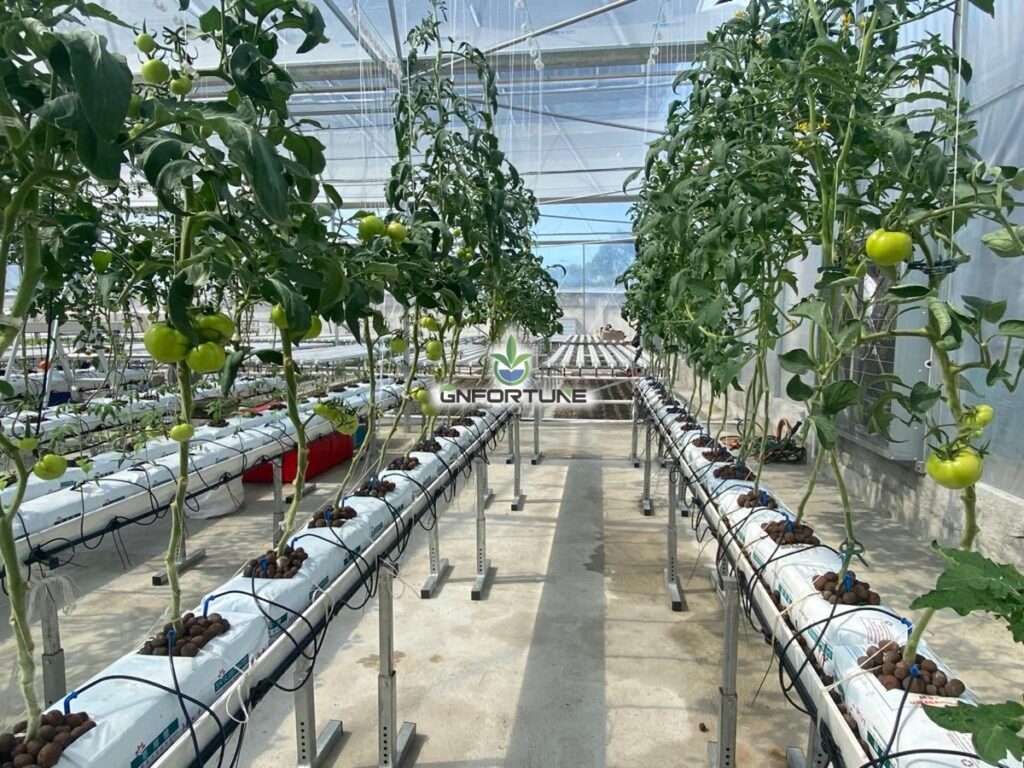
- Tomato on rockwool: block top 10 to 15 mm above the slab, two drain slits on the low side.
- Grafted plants: graft union 20 to 30 mm above the slab and never touching media.
- Cucumber: slightly shallower, since the hypocotyl rots at depth.
- Lettuce into NFT: plug base in the running film, not 5 mm above it.
Water-in volume is per plant, not per emitter. A 7.5 cm rockwool block into a pre-wet slab takes 300 to 500 mL in two passes about 20 minutes apart at EC 2.0 to 2.5; a small plug into a channel takes 150 to 250 mL. Pre-wet slabs to 70 to 80% of capacity and drain two to four hours before planting, or four to six for coir, otherwise water runs down the outside of a dry plug.
The First-Week Fertigation and Light Plan
The first seven days are a stepping programme: start below demand and increase as roots appear, not on a mature-crop schedule.
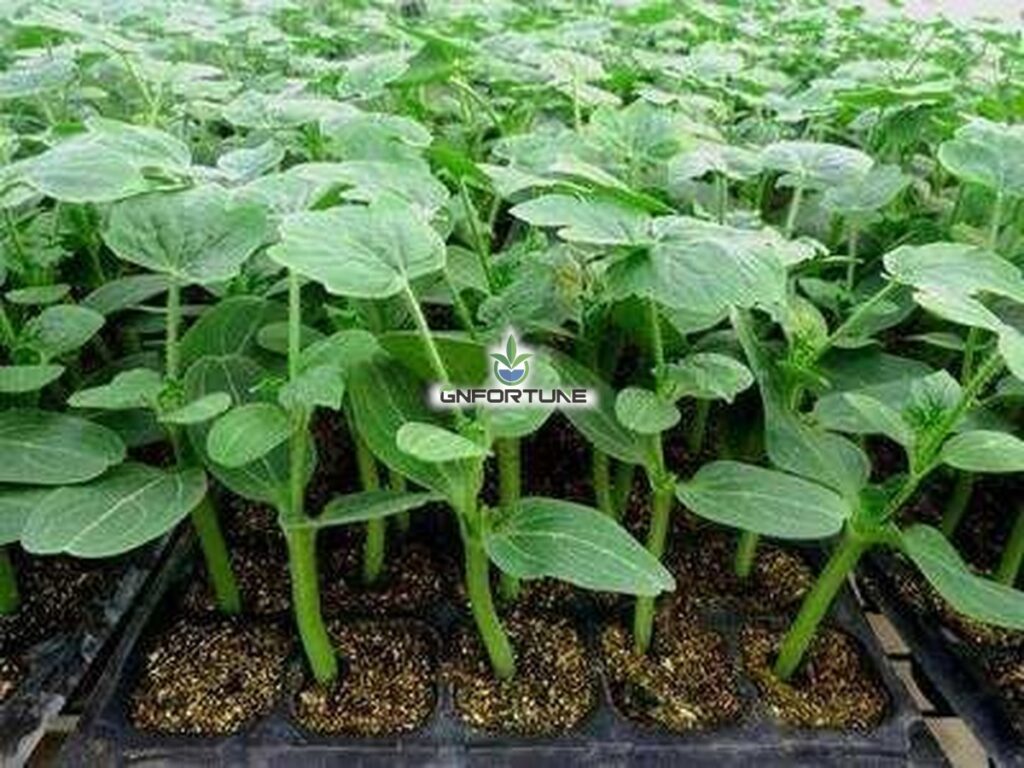
- Days 1 to 3: 2 to 4 shots per day, 60 to 120 mL per plant, feed EC 2.2 to 2.6, no drain, 40 to 50% shade.
- Days 4 to 7: 4 to 6 shots, 120 to 200 mL, feed EC 2.6 to 3.0, 10 to 20% drain, 20 to 30% shade.
- Days 8 to 14: 5 to 8 shots, 180 to 300 mL, feed EC 3.0 to 3.2, 20 to 30% drain, no shade.
Start the first shot one to two hours after sunrise and stop three hours before sunset. Drain EC more than about 1.0 mS/cm above feed means salts are concentrating and volume must rise; read drain from one bag per bay daily.
Lift one slab per bay on day seven to ten: roots at the bottom face by day ten is the target. Nothing by day fourteen means the water-in failed, the slab was too dry, or the plant sat too high.
Grading Plugs Before They Leave the Nursery
Grading is the cheapest control here: ten minutes at the bench catches trays that stall in the field.
- Root: white roots on 60 to 70% or more of the plug perimeter, no circling at the base.
- Stem: height within about 15% of the batch mean, stiff enough to hold itself when lifted.
- Medium: EC in band, moisture 60 to 75%, no algae crust on the surface.
- Health: no lesion at the stem base, no whitefly or aphid under the leaves.
Pull ten plugs per 1,000, wash off the medium and read the roots. A batch under 50% perimeter rooting goes back on the bench; a cull rate above 8% is a propagation problem. Most transplant shock seedlings trace back to a batch that was never graded or was planted across an EC gap. The same criteria belong in the specification for bought-in plugs, and the buy-plugs comparison runs the cost side. If plants rot rather than stall, see the notes on damping-off and poor germination.
Frequently Asked Questions
How long should hardening off take?
A: Three to four days for lettuce and herbs, five to seven for tomato, four to six for cucumber, seven to ten for pepper, cut to two to four days in winter.
What EC should a plug be at transplant?
A: About 2.2 to 2.8 mS/cm for tomato and 1.4 to 1.8 mS/cm for lettuce, measured by pour-through on transplant day, and within 0.4 to 0.6 mS/cm of the system.
Should plugs be watered just before transplanting?
A: Yes, two to four hours before lifting, to reach 60 to 75% of container capacity. Never transplant a saturated plug.
How much water does a plant need on day one?
A: 300 to 500 mL for a 7.5 cm block into a slab, in two passes, and 150 to 250 mL for a plug into an NFT channel.
Can transplant shock seedlings recover once they stall?
A: The lost days cannot be recovered, but further loss stops with 40 to 50% shade, feed EC down about 0.4 mS/cm, and more frequent small shots until roots appear.
Request Hardening-Off Schedule Templates
Most transplant shock seedlings trace back to two missing numbers: the EC gap between plug and slab, and the water-in volume on day one. Send the crop list, plug format, planting week and target system for a hardening schedule and irrigation plan per crop.
To Ask for our hardening-off schedule templates by crop and season, include the plug size, cell count and slab specification.