

Soilless farming is growing plants without soil by delivering water and nutrients directly to the root zone in a controlled medium or water flow. Instead of extracting nutrients from soil, plants receive a dissolved nutrient solution that is monitored and adjusted for pH and electrical conductivity. The methods include hydroponics (water-based), aeroponics (mist-based), and aquaponics (fish-driven). Commercial growers adopt soilless farming for higher yields per square meter, lower water use, and cleaner pest management — not as a novelty, but because it solves real production problems in greenhouses where soil is poor, unavailable, or too costly to manage.
What Is Soilless Farming?
The defining feature of soilless farming is the absence of soil as the root medium. Plants grow in inert substrates (rockwool, coco coir, perlite, clay pebbles) or in bare roots suspended in flowing water or mist. The nutrient solution is mixed from mineral salts and delivered to roots through pipes, channels, or spray nozzles. Because no soil is involved, the grower controls every input the plant receives: water volume, nutrient concentration, pH, oxygen level, and delivery timing.
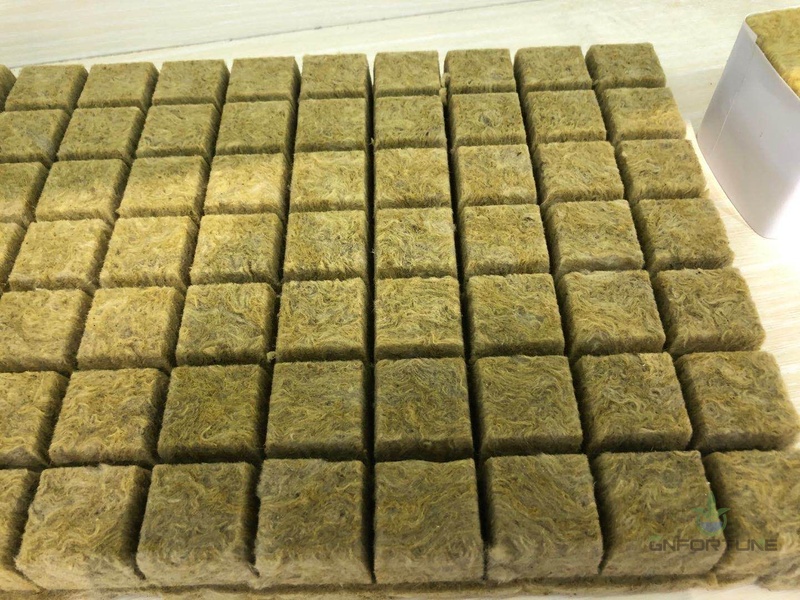
Rows of rockwool blocks as a soilless farming substrate |This control is the whole point. In soil, nutrient availability depends on soil chemistry, weather, and microbial activity — variables a grower can influence but not fully control. In a soilless system, the nutrient solution is a known quantity. If lettuce needs 150 ppm nitrogen at EC 1.4 mS/cm and pH 5.8, the operator sets those numbers and the plants receive exactly that. For a technical breakdown of how the most common water-based method works, the NFT hydroponics explainer covers the channel-and-film approach in detail.
Hydroponics vs Aquaponics vs Aeroponics: One-Minute Breakdown
The three main soilless methods deliver nutrients to roots in different ways, and each fits different crops, climates, and management styles:
| Method | How nutrients reach roots | Nutrient source | Best-fit crops | Management complexity |
|---|---|---|---|---|
| Hydroponics | Dissolved nutrient solution flows past roots in channels or floods a bed on a timer (NFT, DWC, ebb and flow) | Mixed mineral salts added to water | Leafy greens, herbs, fruiting crops | Medium — nutrient dosing and pH management |
| Aquaponics | Fish waste provides ammonia; bacteria convert it to nitrate; water circulates to plants and back | Fish feed (biological nutrient generation) | Leafy greens, herbs; limited fruiting crops | High — fish, bacteria, and plants must balance |
| Aeroponics | Roots hang in air; nutrient solution is misted at intervals via nozzles | Mixed mineral salts, same as hydroponics | Leafy greens, propagation, high-density vertical | High — nozzle clogging and pump reliability are critical |
The trade-off in one sentence: hydroponics gives the grower the most direct control over nutrients at the lowest system complexity; aquaponics adds a biological nutrient source (fish) that reduces input costs but increases management complexity; aeroponics maximizes oxygen at the root zone and saves space but is the most equipment-dependent and failure-sensitive. For a deeper comparison of the aeroponic and hydroponic approaches, the aeroponic vs hydroponic resource breaks down the system-level differences.
Why Growers Switch from Soil: Yield, Water, and Pest Control
The decision to invest in soilless farming is usually driven by one or more of three pressures:
- Yield per unit area. Soilless systems typically produce 3–10 times more per square meter than field soil for leafy greens, because plants are grown at higher density, in controlled climate, with optimized nutrient delivery year-round. A greenhouse running NFT channels for lettuce can harvest 30–50 heads per square meter per cycle — a number that is simply not reachable in soil without the controlled root environment.
- Water efficiency. Soilless systems recirculate water, so losses are limited to evapotranspiration and minor system leakage. Compared with flood-irrigated field crops, soilless farming uses roughly 80–90% less water for the same output. In water-scarce regions this is the primary driver — farming using water efficiently is not optional, it is the reason the project exists.
- Pest and soil-borne disease control. Without soil, the most common soil-borne pathogens (Fusarium, Pythium in soil, nematodes) are absent from the root zone. Pest pressure still exists in greenhouses, but it is easier to monitor and manage in a controlled, soil-free environment where sanitation protocols can be enforced.
The consultant’s caution: Soilless farming does not eliminate pests and disease — it changes which ones you fight. Pythium in warm recirculating water, powdery mildew in humid greenhouses, and fungus gnat in rockwool are the new problems. The advantage is that a clean, closed system is easier to sanitize than soil ever was. The risk is that a pathogen introduced into a recirculating loop reaches every plant in minutes, not days. Plan for water sanitation from day one.
What Soilless Farming Is NOT Suited For
Soilless farming is powerful, but it is not universal. Operators evaluating it should understand where it does not work before committing capital:
- Root and tuber crops at commodity scale. Potatoes, carrots, and onions can technically be grown in specialized substrate systems, but the cost per kilogram is far higher than field production. There is no commercial case for soilless root crops at commodity prices.
- Grains and oilseeds. Wheat, corn, rice, and soybeans are low-value, high-volume crops that require land area, not controlled root environments. The economics of soilless systems only work for high-value crops — leafy greens, herbs, fruiting vegetables, and specialty crops.
- Low-cost operations without skilled labor. A soilless system requires someone who can read an EC meter, adjust pH, and troubleshoot a pump failure. If the operation does not have daily technical oversight, soilless farming is the wrong choice — a stalled pump or a dosing error can kill a crop in hours.
- Regions with unstable electricity. All soilless methods depend on pumps, timers, and (often) climate control. Frequent power outages without backup generation make recirculating systems a liability rather than an advantage.
First Steps to Trial a Soilless System
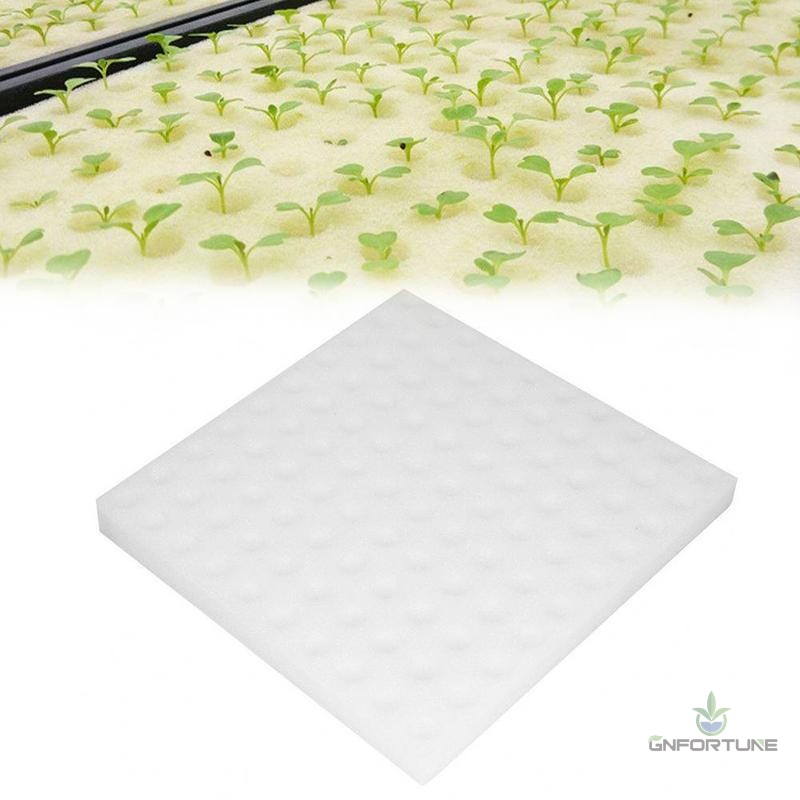
Seedlings growing on hydroponic sponge sheetsFor a grower or investor considering soilless farming, the path from interest to operating system follows a consistent sequence:
- Choose the crop and the market first. Soilless farming succeeds when the crop is high-value, the market is accessible, and the price covers the capital and operating cost of the system. Leafy greens and herbs for local wholesale or restaurant supply are the most common starting point.
- Start with one system type and one crop. NFT for lettuce, Dutch buckets for tomatoes, vertical towers for herbs. Do not start with three system types in one greenhouse. Master one, then expand.
- Build a pilot at commercial density. A 100–200 m² trial greenhouse at commercial spacing and stocking rates proves the economics before scaling to 1,000+ m². If the pilot does not make money, the full-scale build will not either.
- Plan the full build. Once the pilot confirms yields, cycle times, and pricing, the commercial hydroponic system build guide covers structure, equipment sizing, and the decisions that turn a working pilot into a profitable facility.
For growers ready to compare system types side by side, the turnkey greenhouse solutions page outlines pre-engineered packages that include structure, hydroponic equipment, and climate control as an integrated unit — which is how most first-time commercial soilless projects are actually built.
FAQ
Is soilless farming the same as hydroponics?
A: Hydroponics is one type of soilless farming. Soilless farming also includes aeroponics (roots in mist) and aquaponics (nutrients from fish waste). All three grow plants without soil; they differ in how nutrients reach the roots.
Can you grow plants without soil outdoors?
A: Yes, but climate control is lost. Outdoor soilless systems work for hardy crops in mild climates but lose the main advantages — year-round production, pest exclusion, and weather protection. Most commercial soilless farming is in greenhouses or indoor facilities.
What is the best substrate for soilless farming?
A: It depends on the crop and system. Rockwool is standard for propagation and fruiting crops; coco coir suits Dutch bucket systems for tomatoes and peppers; perlite and clay pebbles work for ebb and flow. NFT and aeroponic systems use no substrate at all.
How much water does soilless farming save?
A: Recirculating soilless systems use roughly 80–90% less water than flood-irrigated field crops for the same output, because water is reused rather than lost to soil drainage and evaporation.
What crops are most profitable in soilless systems?
A: Leafy greens (lettuce, spinach, kale), fresh herbs (basil, mint, cilantro), and fruiting crops (tomatoes, cucumbers, peppers, strawberries) are the core profitable categories. The common factor is high value per unit area and a market that pays for quality and consistency.
Get a System Comparison Sheet for Your Greenhouse
New to commercial hydroponics? Get a system comparison sheet. Send your target crop, greenhouse area, and climate through the quote form, and we will return a side-by-side comparison of the system types that fit your project — with equipment lists, cost ranges, and the shipping and warranty terms for your market.