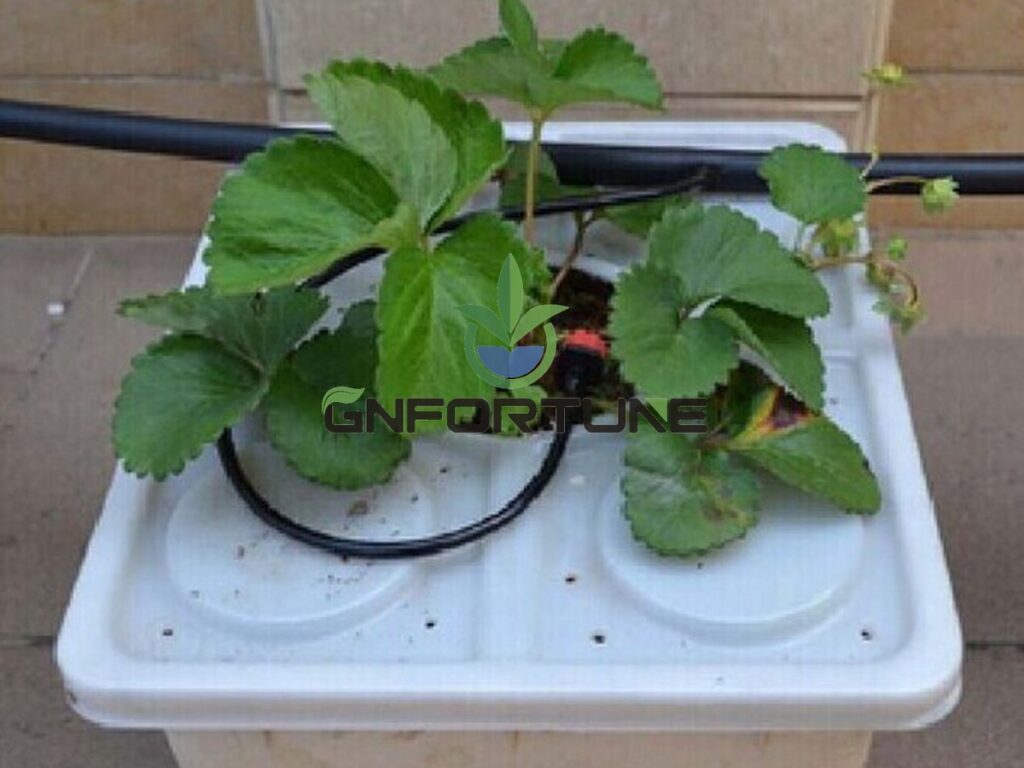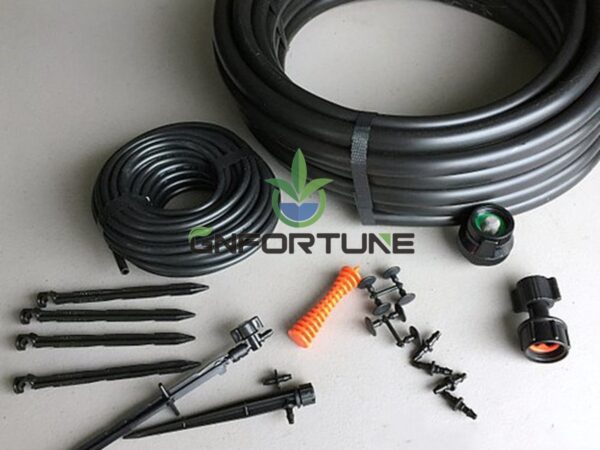
A threaded joint that weeps on a nutrient line is rarely a bad fitting. It is usually a standard mismatch, a sealant used where it cannot work, or a plastic female thread tightened like a steel one.
Pipe thread sealing hydroponics work gets complicated for one specific reason: equipment arrives from several sources, and a European pump with parallel BSP ports, an Asian valve set with tapered BSPT and a North American meter with NPT all end up on the same manifold. This article sets out how the two thread families differ, which sealant belongs on which thread, where plastic changes the rules, and how to write the standard into a specification so the problem stops at the purchase order.
Tapered or Parallel: What Decides Whether a Joint Seals
Threaded pipe connections split into two families, and the seal works differently in each.
Tapered threads get tighter as they are screwed in. The male and female cones interfere, and the seal comes from contact on the flanks, with a sealant filling the helical leak path that always remains. NPT and BSPT belong to this family. Parallel threads stay the same diameter, so they cannot seal on the thread at all, however much tape is applied. They seal on a face: a bonded washer, an O-ring or a gasket compressed against a shoulder. BSPP and most metric port threads belong here.
Confusing the two is the most common source of a joint that will not stop weeping. Tape on a parallel thread, tightened harder, does not seal — it distorts the sealing face and, on plastic, cracks the boss.
| Standard | Form | Flank angle | How it seals | Marking | Typical equipment |
|---|---|---|---|---|---|
| NPT, ASME B1.20.1 | Tapered | 60° | Interference plus sealant | 1/2 NPT | North American pumps, meters, valves |
| NPTF, Dryseal | Tapered | 60° | Crest-to-root crush | NPTF | Higher-pressure hydraulic lines |
| BSPT, ISO 7-1 | Tapered | 55° | Interference plus sealant | R 1/2, Rc 3/4 | General irrigation fittings |
| BSPP, ISO 228-1 | Parallel | 55° | Washer, O-ring or gasket on the face | G 1/2, G 1 | Pump and tank ports, sensors |
| Metric parallel with O-ring | Parallel | 60° | O-ring in a machined seat | M20×1.5 | Instruments, dosing equipment |
The flank angle is worth committing to memory, because it explains the dangerous part. A half-inch NPT male and a half-inch BSP female both have 14 threads per inch, so they start to screw together convincingly, then bind, deform and leak, because 60° will not mate with 55°. Three-quarter sizes behave the same way. The joint never holds pressure, and by the time it is found both threads are damaged.
Tape, Paste or Anaerobic: Matching Sealant to Thread
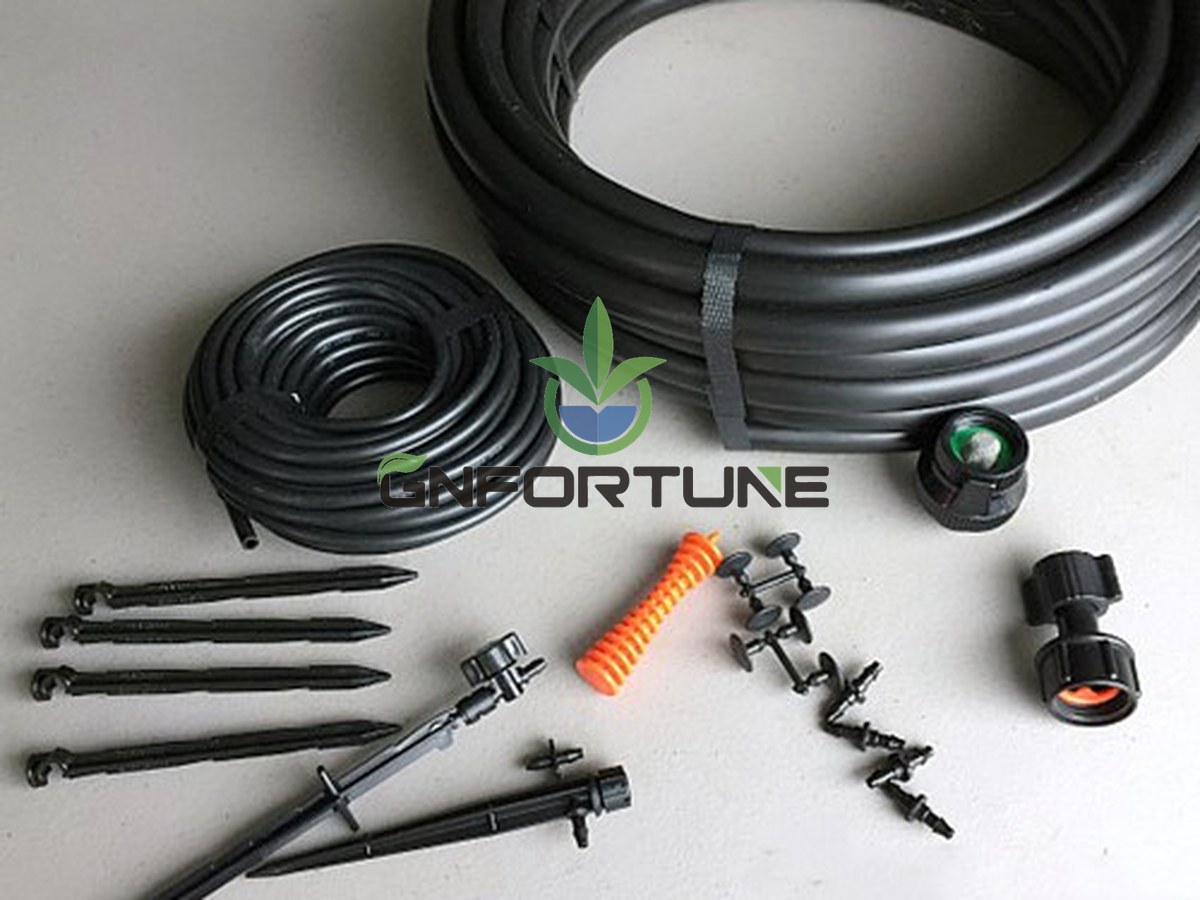
On a tapered thread the sealant is a lubricant and a filler, not the seal itself. It lets the thread engage further before seizing and fills the spiral gap. On a parallel thread it contributes almost nothing, which is why sealant choice follows thread form first.
| Sealant | Works on | Avoid on | Notes |
|---|---|---|---|
| Standard PTFE tape | Tapered metal threads, general lines | Parallel threads needing a seal | Cheap and common; density varies, so buy a named grade |
| High-density PTFE tape | Larger tapered sizes, warm lines | Compression and flare fittings | Thicker film fills worn threads with fewer wraps |
| PTFE paste, non-hardening | Tapered threads, plastic to metal | Joints reset repeatedly | Stays workable, tolerates movement, no shreds in the line |
| Anaerobic thread sealant | Clean, dry, active metal threads | Plastics unless compatibility is confirmed | Cures solid, resists vibration, needs cure time |
| PTFE string or cord | Tapered threads, awkward positions | Where a tape grade is specified by contract | Forgiving on size, no winding direction error |
Application detail matters more than product choice:
- Wrap in the direction of assembly, or the tape unwinds as the fitting goes on.
- Two to three wraps is enough on small sizes; more makes the joint harder to engage without sealing better.
- Leave the first thread or two bare so shreds cannot break off and reach emitters.
- Never use tape on compression or flare connections, which seal on the ferrule or cone.
- Anaerobic products need clean threads and cure time, and some are not compatible with thermoplastics.
Plastic Threads Are Not Metal Threads
Most hydroponic pipework is uPVC, PP or PE, and the field habit of tightening until it feels solid is what breaks plastic fittings. Three differences drive the special handling.
Plastic expands and contracts far more than metal, so a joint assembled cold sees the interference change as it warms. Plastic creeps: tension applied today relaxes over weeks, and the weep returns with nobody having touched the joint. A plastic female thread over a metal male thread is the crack scenario, because the metal cone drives hoop stress into a rigid plastic boss; metal female onto plastic male is the safer direction where there is a choice.
Practical rules on site:
- Engage by hand first. If it binds within a turn or two, stop: the standard or pitch is wrong.
- Tighten plastic by hand plus a small turn with a strap wrench, not with a pipe wrench on the body.
- Prefer a fitting with a metal thread insert wherever a joint will be opened repeatedly.
- Never chase a weeping plastic joint by tightening it again; depressurise, inspect for a hairline crack and remake.
Sealant shreds and cracked plastic slivers are a real cause of blocked emitters downstream, which is worth remembering when a zone starts to run dry for no visible reason.
Diagnosing a Leaking Threaded Joint
Classify where the water is coming from before reaching for a wrench. A weep at the thread line, a drip at the fitting body and a damp patch under a union face are three different faults.
- Weep at the thread line on a tapered joint — under-engaged, wrong sealant or a standard mismatch. Depressurise and remake.
- Leak at the shoulder of a parallel port — the washer or O-ring is missing, damaged or the wrong hardness. Tape will not fix it.
- Hairline crack along the fitting — over-tightened or under sustained stress. Replace rather than wrap.
- Leak that returns weeks later undisturbed — plastic creep or thermal cycling. Consider a metal-inserted fitting there.
Remake the joint rather than tightening it live. Working on a pressurised nutrient line is how small leaks become large ones, and the pressure cycle on a fertigation manifold is why joints that looked fine at start-up fail after a week.
Where Threaded Joints Should Not Be Used
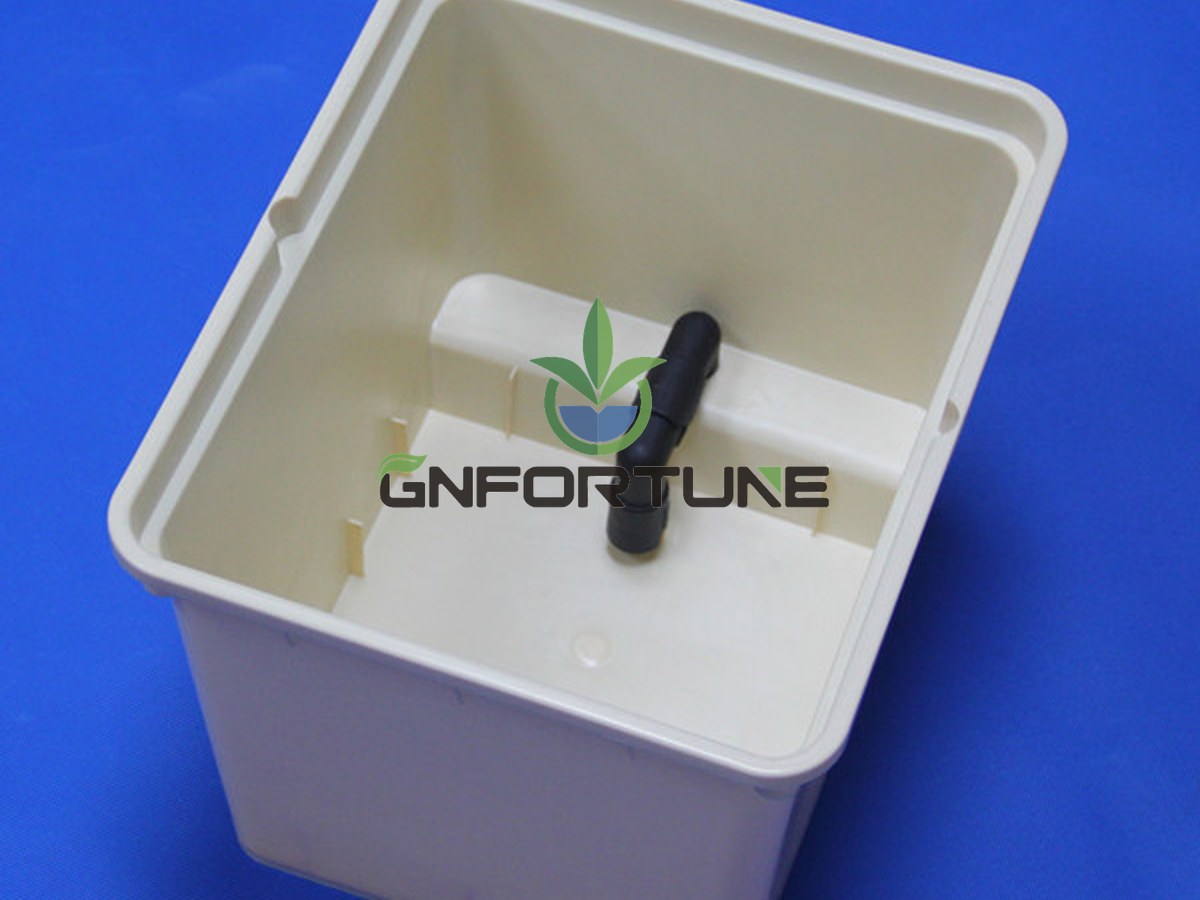
Threaded connections are cheap and compact, and they are the wrong choice in several recurring positions: inaccessible runs behind fixed clamps or inside walls; positions under constant vibration, directly on a pump or beside a fast-cycling solenoid valve; larger diameters, where cutting threads above roughly two to three inches becomes impractical on site; and anything opened for routine cleaning.
Thread choice also sits alongside the wider irrigation pipe fittings and sizing decisions, and it interacts with valve specification: a zone solenoid valve ordered with the wrong port thread is an avoidable return.
Pipe Thread Sealing Hydroponics: What to Specify
Size alone is not a specification. “One inch” tells a supplier nothing about whether a 55° or 60° thread is required, and that is where mixed orders originate. A complete line item states: the standard and designation, for example G1 (ISO 228-1) parallel or 1 inch NPT tapered; male or female and the mating material; the seal method, including washer or O-ring elastomer; the assembly instruction, with turns past hand-tight and a note that plastic is not tightened to metal torque; and what is not acceptable.
FAQs About Pipe Thread Sealing Hydroponics
Can NPT and BSP fittings be used together?
No. Some sizes share the same threads per inch, so they appear to fit, but the 60° and 55° flank angles do not mate. The joint binds, leaks under pressure and damages both threads. Identify the standard before assembly, not after.
How many wraps of PTFE tape should I use?
Two to three wraps of standard tape on small sizes, wound in the direction of assembly, with the first thread or two left bare. More tape makes the joint harder to engage without improving the seal, and shreds that break off inside the line cause emitter blockages.
Tape or paste on plastic threads?
A non-hardening PTFE paste is often safer on plastic, because it lets the thread engage with less torque and tolerates movement. Confirm compatibility before using any anaerobic sealant on thermoplastic, and tighten by hand plus a small turn.
Why does a joint leak again after I tighten it further?
Either the thread form is wrong for the sealant, typically tape on a parallel port, or the plastic has cracked or crept. Tightening a weeping plastic joint usually widens the crack, so depressurise, inspect and remake or replace.
How should thread standards appear in an RFQ?
State the standard and designation, male or female, mating material, seal method and assembly instruction, and say which standard is not acceptable. Size alone leaves the supplier to guess, and the guess will not always match equipment already on site.
Related Reading
- Agricultural Irrigation Pipe Fittings: Types and Sizing — The fitting families and size conventions that thread specifications sit inside
- Specifying Zone Valves and Manifolds for Hydroponics — Why valve port threads are worth checking before an order ships
- Hydroponic System Drain-Down and Flush Points — Where demountable connections are needed so lines can be drained
- Backflow Prevention on a Fertigation Line — Thread and connection details where fertigation meets potable supply
Next Step: What to Send for a Quotation
Fittings and threaded assemblies are quoted against standard, size and material, so send the detail rather than a description. Pipe thread sealing hydroponics problems are far cheaper to prevent on the order than to chase on site.
For RFQ or project consultation, send: pipe sizes and materials by line; thread standard for every port, with designation; male or female and mating material; seal method, including washer or O-ring elastomer; operating pressure and temperature range; media and sanitisers used; quantity per size with spares ratio; delivery schedule and budget band. G AND N FORTUNE LIMITED supplies uPVC fittings, channels and pipework packages quoted to those parameters.