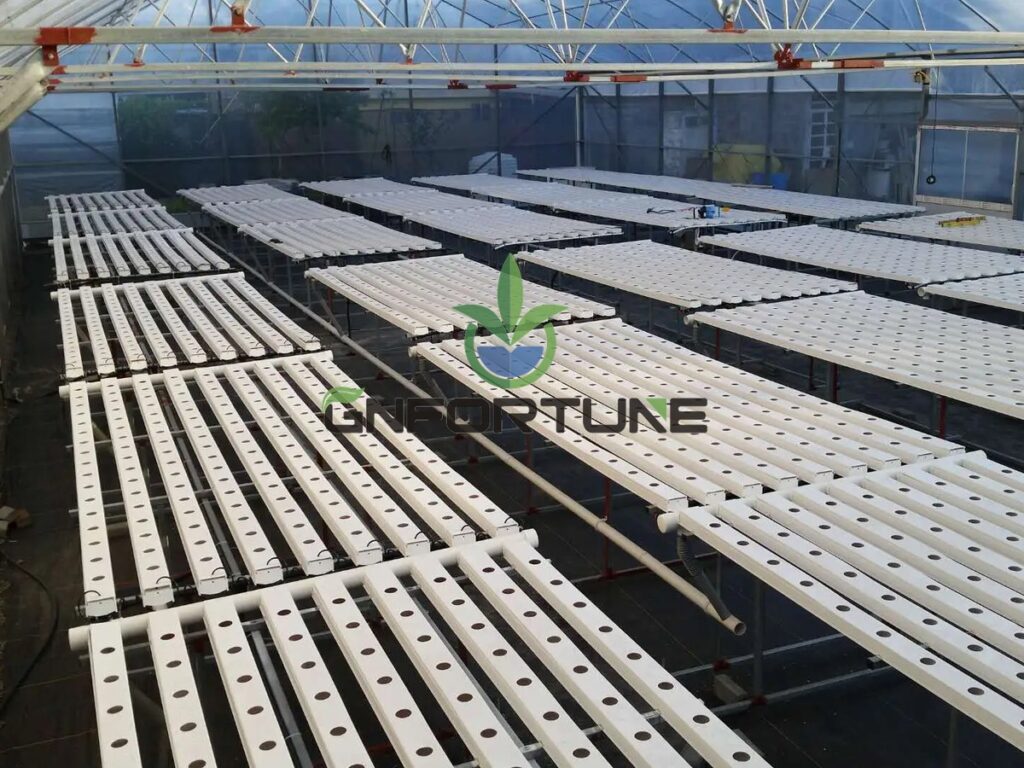
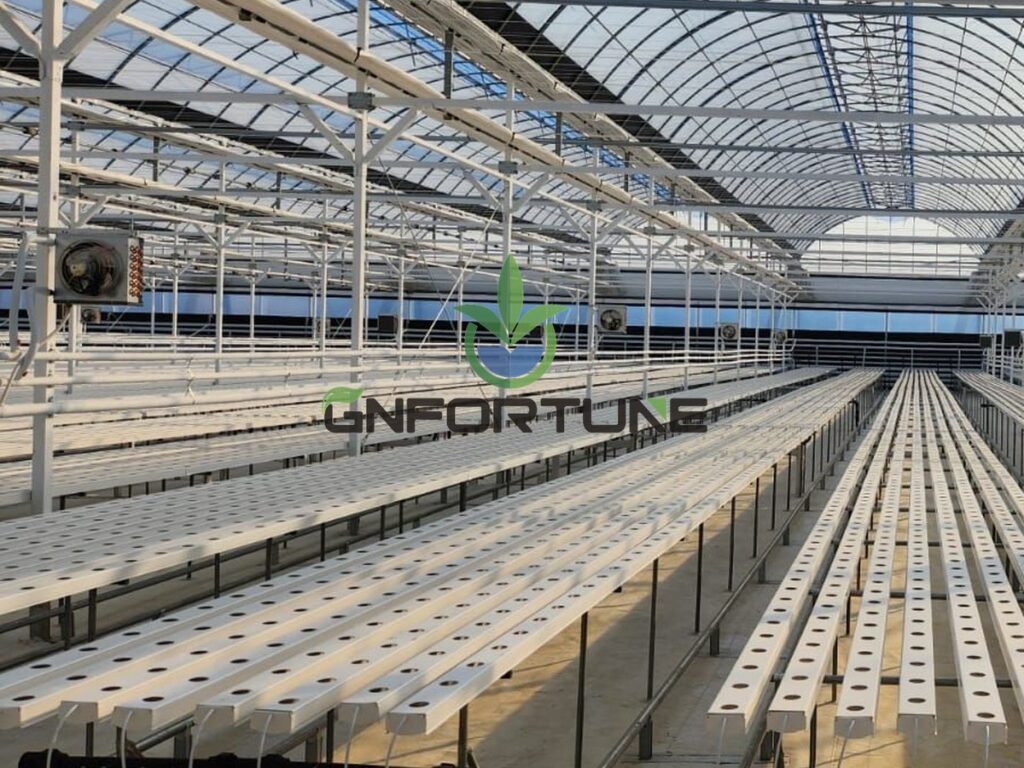
The first site runs on proximity. Somebody walks the house every morning and notices things before they become numbers. A multi-site hydroponic farm does not have that luxury, and the second site usually opens before anyone has written down what the first one was actually doing.
That is the real change: decisions that used to be made by one person are now made by two, and nobody has decided which version wins. Most of the damage in the first year comes from that, not from distance, climate or equipment.
What Breaks First at the Second Site
Five things fail, in a fairly predictable order: standards, numbers, people, supply, then quality. Recognising the order helps, because the last one is the only one the customer sees.
- Standards drift first. Site two copies the procedures, adapts them to a house that is not identical, and the adaptation is never written down.
- Numbers follow. Both sites report yield, calculated differently — plants set versus heads cut versus kilograms packed — so neither figure can be compared with the other.
- People. The strongest supervisor is usually the one sent to open site two, which weakens site one at exactly the point it is funding the expansion.
- Supply. One spares store becomes two smaller ones, and neither holds enough of the item that fails at 2 a.m.
- Quality. Variation between sites reaches the customer as variation inside a single delivery, and the customer notices before any internal report does.
Second farm operations fail on these points because they were never decisions at one site — they were habits. Habits do not survive being handed to someone else.
Standardise Across Sites: What Must Be Identical
Standardise what a customer, an auditor or a calculation depends on. Everything else can differ, and forcing it to match costs more than it returns.
- Grading and product specification: the customer compares sites, so the definition of saleable has one version.
- Recipes and EC/pH bands: results cannot be compared across sites if the feed programme is not the same starting point.
- Cultivars and their suppliers: change one input at a time, or the comparison tells you nothing.
- Data definitions and units: what counts as yield, loss, downtime and labour hours, stated once.
- Reporting calendar: the same cut-off and the same day, so two sites can be read together.
- Cleaning and biosecurity: organisms move between sites on people and crates, so the protocol is shared.
What should not be standardised: house layout, equipment model, planting schedule and labour model. Sites differ in climate, customer mix and labour market. Standardise the outcome the customer receives and the numbers the business is measured on, not the drawing.
What Can Stay Local
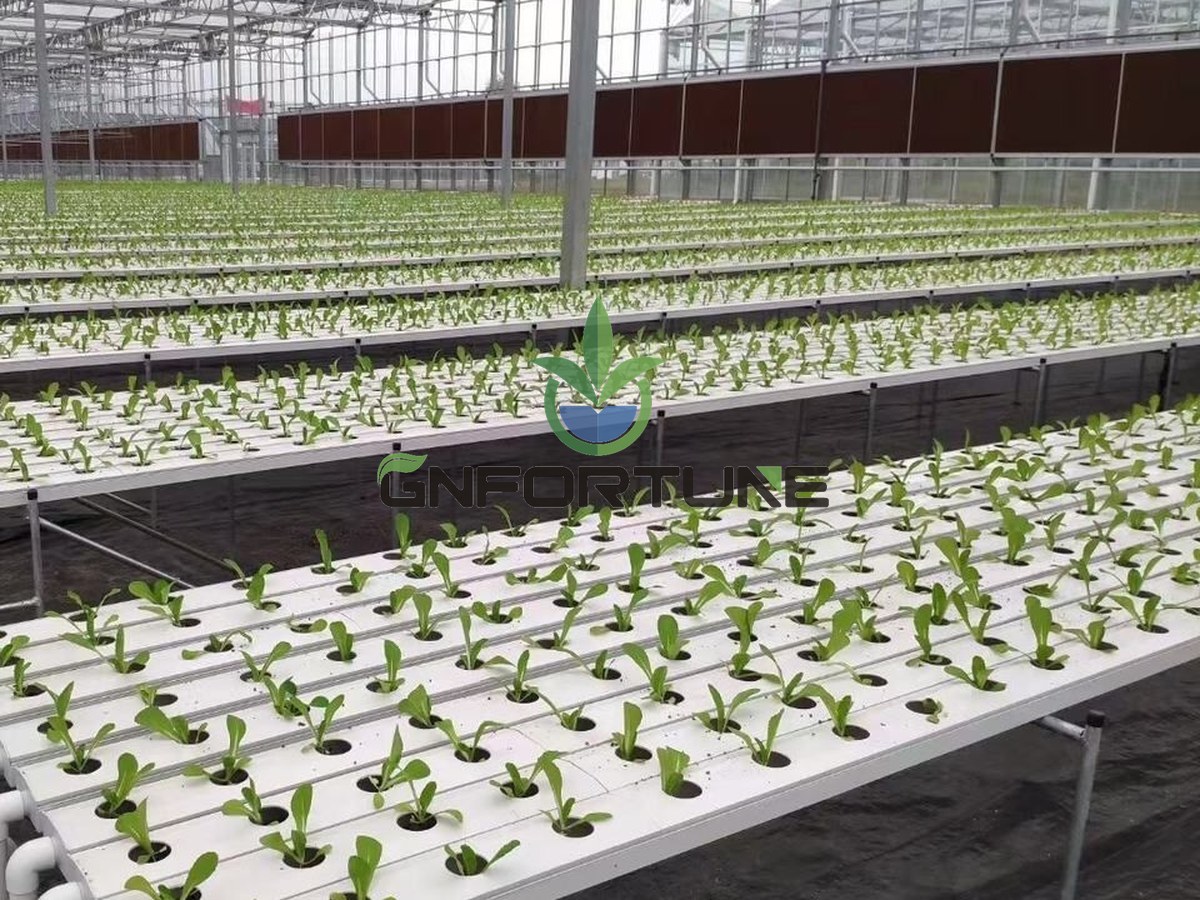
Anything that depends on conditions inside the house at that moment belongs to the people standing in it: irrigation decisions inside the agreed bands, harvest timing on the day, block sequencing, pest response, labour rostering and local consumable sourcing.
The test is simple. If a decision has to be made faster than a phone call, it is local. If a wrong version of it changes what the customer receives, it is central. Write the split as a list of named decisions with an owner, not as a general statement about autonomy, because general statements are interpreted differently at each site.
One Set of Numbers Across Both Sites
Multi-location greenhouse management fails on definitions long before it fails on agronomy. Two sites can each be correct and still be incomparable.
- Yield: name the unit and the measurement point — kilograms packed, heads cut or plants set — and use one everywhere.
- Loss: state where culled, graded-out and wasted material is recorded and at which stage.
- Labour: hours per unit, with the same activities counted at both sites, including grading and packing.
- Downtime: the same trigger and the same rule for when the clock starts.
- Cycle length: measured from the same event, sowing or transplant, not whichever is convenient.
One dashboard, one owner, one version. If a site keeps its own spreadsheet because the central report arrives too late to act on, the central report has already lost.
Remote farm management is mostly cadence rather than depth. A short weekly report that arrives on Monday, plus a defined escalation for anything outside band, does more for control than a detailed monthly pack that lands late.
Multi-Site Hydroponic Farm Staffing and the Second Manager
The hardest role to fill is site two’s manager, and the usual answer — promote the best supervisor from site one — solves one site by weakening the other.
- Appoint before construction finishes, so the manager owns commissioning instead of inheriting a house they did not set up.
- Write the job as running a team and a set of numbers. Crop skill is the easier part to backfill; supervision and discipline are not.
- Keep a technical lead at site one who is measured on site one, not on the group.
- Rotate for a season. Exchanges build a shared standard faster than any document, and they expose which procedures are site-specific.
- Build a bench. One person per critical role who can cover illness and leave at either site.
Management bandwidth is the real constraint. An owner who drives to site two twice a week is not running two farms; they are running one farm with a long commute, and site one usually shows it.
Procurement, Spares and the Second Supply Chain
Two sites buying the same consumables through two routes pay two prices and hold two partial stocks. Consolidate the specification first, then the purchasing.
- One approved list for media, plugs, sanitiser and packaging, with one owner for changes.
- Two-tier spares: critical items held at both sites, slow and expensive items held at one with a written transfer rule. Duplicating everything doubles stock; sharing everything doubles downtime.
- Second source for long-lead items, qualified at one site and accepted at both.
- Landed cost per destination. Freight, duties and lead time differ by site, so quotes should be requested per delivery address rather than assumed equal.
Equipment commonality helps here. Where both sites run the same channel profile, fittings and pumps, one spare covers either house, which is the practical argument for specifying the second project against the first rather than starting a fresh design.
Rolling Out SOPs and Training Across Sites
Procedures written at site one describe site one. Before site two opens, rewrite them against the equipment both houses actually have, then treat the commissioning period as training.
- Version control: one number, one owner, one location, and a date on every page.
- Train during commissioning, while the house can be run without a crop in it and mistakes cost nothing.
- Cross-site audits: a site-one supervisor auditing site two, and the reverse, finds drift faster than visits from head office.
- Records per person, not per session, so a new supervisor can see who is signed off on what.
- One change list. A change made at one site goes on the list; if it works, both adopt it on the same date, and if it does not, both revert.

Expect the first season to be worse at both sites. The question to ask at the end of it is not whether site two matched site one, but whether the same change improves both.
FAQs About Running More Than One Site
When should standardisation happen?
Before site two opens. Retrofitting a shared specification after two sites have run their own way for a season costs more than writing it first, because every difference has become somebody’s habit by then.
How much autonomy should a site manager have?
Anything decided faster than a phone call is local; anything that changes what the customer receives is central. Write the split as named decisions with owners rather than as a general principle.
Should both sites grow the same crop?
Same crop makes comparison easier and training cheaper. Different crops hedge market and climate risk. Either works, provided the measurements are identical, so the choice can be made on commercial grounds.
How do we compare performance across sites fairly?
Only after the definitions match. Compare cost per kilogram and grade-out rate rather than gross yield, since yield measured at a different point flatters whichever site measures earlier.
What is the most common mistake at the second site?
Opening it without its own manager until handover, and moving the strongest supervisor out of site one to cover the gap. Both sites then run on borrowed attention for a season.
Related Reading
- Cost per Kilo: Simple Accounting for Lettuce Farms — the per-unit measure that makes two sites comparable
- Grading Standards for Hydroponic Produce: How to Build a Line That Ships to Spec — one specification across sites, written so both can ship to it
- Hydroponic System Commissioning: Installation Sequence, Testing and Site Acceptance — using commissioning as the training window
- Critical Spare Parts for Hydroponic Farms: A Stock List Built on Downtime Risk — the two-tier spares plan for more than one site
- Hydroponic Farm KPIs: Yield per m², Labour Hours and the Numbers That Run a Business — defining loss the same way at both sites
Internal links for the titles above are configured at publication.
Next Step: What to Send for a Quotation
A second site is the cheapest place to remove variation: specify it against the first, and the spares, training and SOPs carry over. A multi-site hydroponic farm specified from scratch twice over pays for that decision twice.
Planning a second site, or standardising equipment across two? For RFQ or project consultation, send: greenhouse dimensions and usable growing area at each site; crop plan and target weekly or annual output per site; existing equipment and channel profile at site one; local climate range and raw water analysis per location; delivery address and schedule per site; automation and alarm level; and the budget band. G AND N FORTUNE LIMITED supplies NFT channels, DWC systems and matched packages quoted to those parameters, with repeat orders built to match earlier deliveries.