A tender closes and one bid sits clearly below the others. It answers every line of the specification as written, so the spreadsheet says award it. The lowest bid risk hydroponic equipment buyers actually carry is not the price: it is that the specification was loose enough for a cheap bid to satisfy it on paper — wall thickness given as a nominal figure, polymer described only as PVC, tolerances unstated, spares and response outside scope.
This article takes the procurement view: what is different about the cheap equipment, where that difference turns into cash, and how to score bids so the award can be defended. Making quotations comparable is a separate step, handled in our guide to normalising equipment bids.
Where Lowest Bid Risk Hydroponic Equipment Actually Sits
It sits in the attributes the specification does not pin down. Price is the only unambiguous number in a bid; everything that decides what the equipment costs to own is expressed in words, and words can be satisfied in more than one way.
Four groups account for nearly all of the exposure:
- Material definition — polymer grade, regrind content, UV package, food-contact status.
- Dimensional reality — wall thickness against the drawing, tolerance band, whether lids seat without force.
- Continuity — whether the same profile and spares exist in five or ten years, and at what lead time.
- Response — who answers a fault, within how many working hours, and at whose cost.
None of them sit on a price line, and none show in a photograph of a finished house, which is why they survive evaluation untouched.
What Gets Cut First When Price Is the Only Scored Criterion
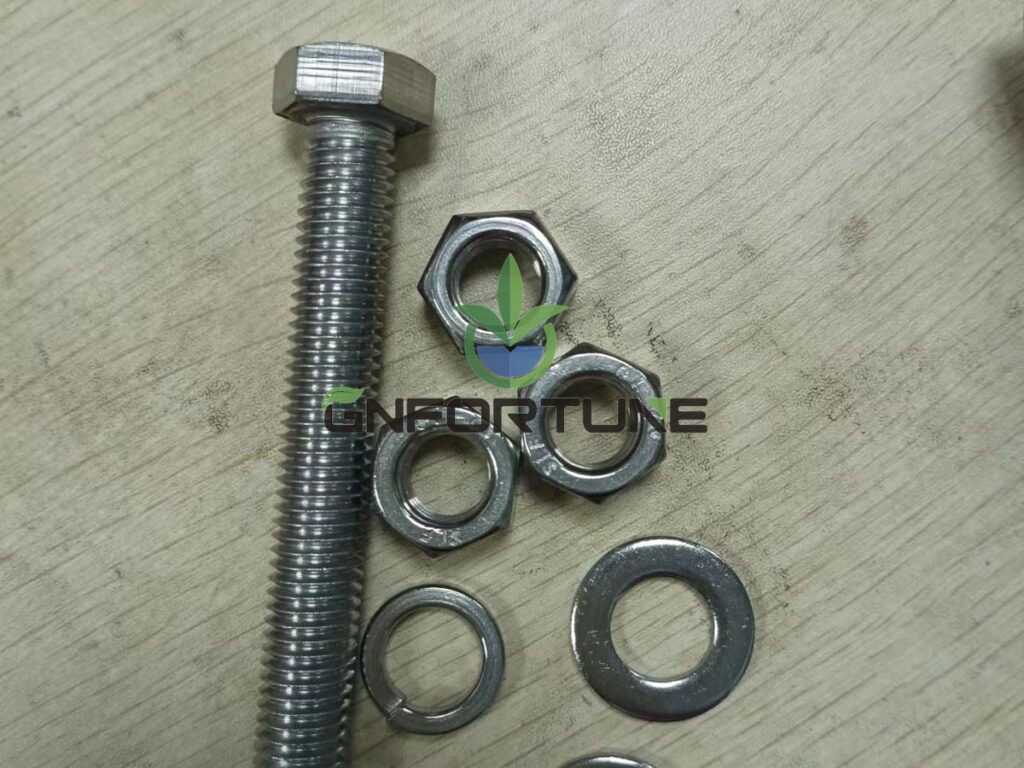
Material and dimensional margins go first: they cost the least to remove and are hardest to detect without measuring.
- Wall thickness: sections priced off a nominal figure can arrive below the drawing. Thinner walls carry less load, flex under a wet crop and crack at fixings — measure a sample at three points with callipers.
- Recycled content: regrind lowers resin cost, and post-industrial regrind at a controlled proportion is normal practice. The exposure is undisclosed content: colour variation, brittleness and uneven impact strength.
- UV package: the symptom is chalking and embrittlement after a season or two. Low price equipment risk rarely appears in month one; it appears once the defects window has closed.
- Tooling condition: worn tooling produces sections at the edge of tolerance — lids that rock, caps that need forcing, joints that weep.
None of it can be judged from a product photo, and missing batch records leave a later claim unprovable. The variables behind it are set out in how PVC NFT channels are extruded; the measurements belong in the inbound QC routine.
Tolerance and Fit: The Installation Hours Nobody Quoted
Dimensional variation converts directly into labour. A channel that has to be persuaded onto its brackets costs minutes per metre, and those minutes are in no bid.
Quantify it before award. Where tolerances are unstated and the crew has to fit rather than place, a working planning assumption is 10–20% above the quoted installation hours, tested as minutes per metre on the first bay. Multiply that by run length and crew rate, then compare it with the price gap.
Fit problems surface again at commissioning, as uneven flow and weeping joints, by which time the crop is already in the house.
Spare Parts and the Length of a Downtime Event
The cost of a failed component is not the component. It is the hours the crop spends without flow, light or control, which depend on whether a replacement is already in the building.
Low bids are weak here in predictable ways: the profile is quietly revised, spares carry a minimum order quantity, a small part is quoted at a freight cost several times its value, or the supplier stops answering once the order is paid. Ask before award — is the part stocked, and will the same profile exist in three years.
Convert it to money as expected failures per year × restoration hours × crop value per hour. Where the figure is large, the answer is a spares holding bought with the order; the downtime-based spares list is the place to start.
After-Sales Response Is a Cost Line, Not a Courtesy
Response time decides how long a fault lasts, so it belongs in the evaluation with a number attached. Score the commitment in working hours, and check who else is paid while everyone waits. The details that matter:
- A named contact and channel, with a response time in working hours rather than “promptly”.
- Time zone and language overlap with your maintenance window.
- Who pays freight on a replacement, and whether a local installer can act without the factory.
Ask a reference site that has raised a claim how long resolution took. Clause wording is separate, covered in the warranty and spares clauses guide; a supplier scorecard records whether the promise was honoured.
How to Score a Bid So Price Is Not the Only Number
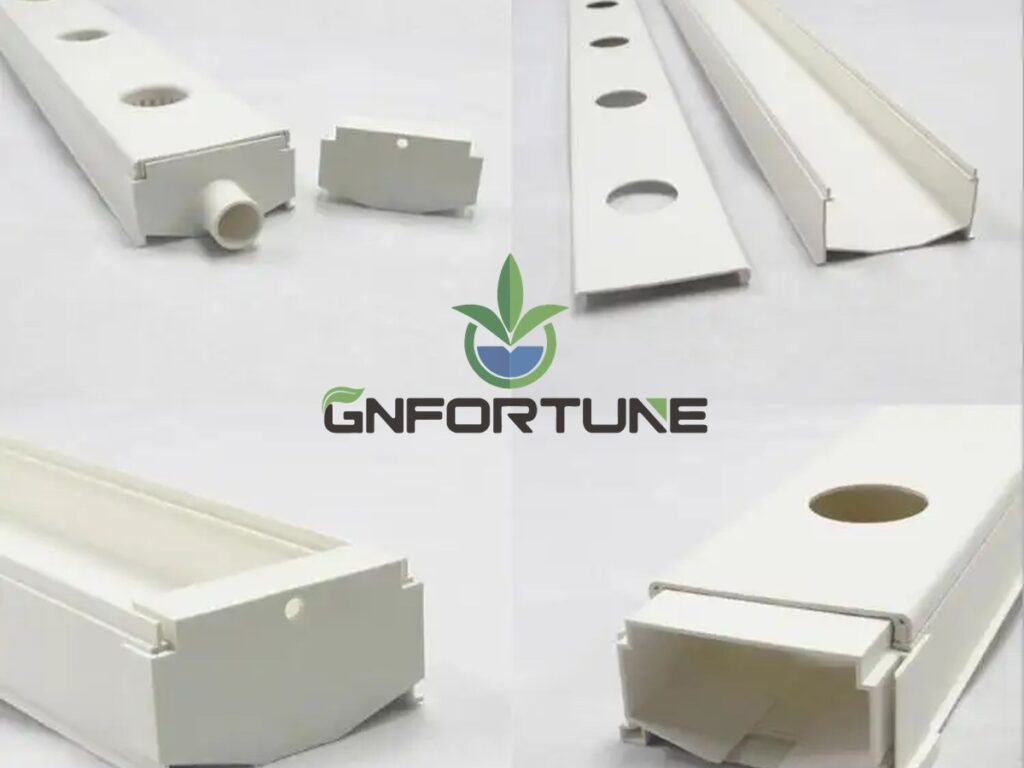
Convert every non-price factor into an expected cost, add it to the normalised landed bid, and rank on the adjusted total. That is what makes an award defensible to a board.
- Normalise the bids first — same Incoterm, scope, packing and payment terms — using the quotation normalisation method.
- List the non-price factors that matter for this project.
- Put a cost on each, using your own labour rate, crop value and freight.
- Add it to the landed price, rank on the total, and record the workings — the question comes back in year three.
| Factor | How to convert it to money | Planning weight band |
|---|---|---|
| Landed price (normalised) | As quoted, after scope and freight are aligned | 30–45% |
| Material and dimensional compliance | Replacement cost plus inspection and rework labour | 15–25% |
| Spares and model continuity | Annualised spares holding plus expected downtime cost | 10–20% |
| After-sales response | Expected downtime hours × crop value per hour | 10–20% |
| Installation risk from tolerances | Extra install hours × crew rate | 5–15% |
| Documentation and traceability | Cost of a claim you cannot prove | 5–10% |
Weights are a judgement made before the bids are opened. Those bands assume structural or long-lived equipment on a commercial site; shift price upward for commodity items with a complete specification, and downward where crop value per hour is high.
The two most common bid evaluation mistakes are scoring promises instead of evidence and weighting price before normalisation. Measured wall thickness, a material declaration and a reference visit count as evidence; a paragraph asserting quality does not. Where the order justifies it, a factory audit is the route to it.
When the Lowest Bid Is Genuinely the Right Answer
Sometimes it is. The test is whether the specification is complete enough that a cheap bid cannot satisfy it cheaply.
- Commodity items with a full written specification — material, dimensions, tolerance, UV, packing and batch records — measured on arrival.
- Planned consumables: net pots, plugs, film and trays, where a failure is not a downtime event.
- Short-horizon projects where material ageing will never matter.
- Low bidders with better evidence than their competitors: measured samples, a real reference, a stocked spares list.
Cheap hydroponic equipment is not automatically a bad purchase. It becomes one when it is bought on price alone, with a specification that lets the supplier choose what to leave out.
Handled this way, the lowest bid risk hydroponic equipment question stops being an argument about price. The bid with the lowest adjusted total wins, cheap or not.
FAQs About Lowest Bid Risk on Hydroponic Equipment
Is awarding to the lowest bid always a mistake?
No. It is right where the specification is complete and measurable and the goods are inspected on arrival. It is a mistake where material, tolerance and response are left to trust.
How much weight should price carry in an equipment tender?
A planning band of 30–45% for landed price once scope is normalised, rising for commodity items and falling where crop value per hour is high. Fix the weights before the bids are opened.
How do we verify wall thickness and material honestly?
Measure wall thickness at several points and weigh a known length on arrival, then ask for a material declaration with batch records. Recycled content and the UV package cannot be judged by eye; where the value justifies it, third-party testing is the only real evidence.
Does a warranty make the low bid safe?
No. A warranty usually covers the part, not the crop, the access labour, the freight or the downtime, and it is worthless if the profile is discontinued. Compare total cost of ownership equipment rather than the warranty headline.
What if the adjusted total says buy the mid-priced bid?
Present the workings — adjusted totals, the assumption behind each cost, and the inspection plan. Where an organisation still awards on headline price, mitigate with pre-shipment inspection and a larger spares holding bought up front.
Related Reading
- Comparing Hydroponic Equipment Quotations: How to Normalise Bids — How to normalise bids before you score them
- How to Write an RFQ That Gets Comparable Quotes — Writing an RFQ that produces bids worth comparing
- How PVC NFT Channels Are Extruded: Wall Thickness, UV Stability and the Tolerances That Matter — Extrusion wall thickness and the tolerances that get cut first
- Hydroponic Equipment Lifespan: 10-Year vs 3-Year Parts — Ten-year parts versus three-year parts in a total cost view
- Hydroponic Equipment Warranty, After-Sales and Spares Clauses: What to Negotiate — Warranty and spares clauses to negotiate before price is scored
Next Step: What to Send for a Quotation
Bids are only comparable when every supplier quotes the same material and dimensional specification. Send the specification, not just the quantity, and the cheap bid has to be cheap for a reason you can see.
Evaluating tenders or planning a build? For RFQ or project consultation, send: greenhouse dimensions and growing area; crop plan and target grade; target weekly or annual output; local climate and raw water analysis; the material and dimensional requirements you want quoted (wall thickness, tolerance, UV, food-contact); spares and after-sales expectations; automation level; delivery schedule; and budget band. G AND N FORTUNE LIMITED supplies NFT channels, DWC systems and matched greenhouse packages quoted to those parameters, with wall thickness, tolerance and batch records stated on the quotation.