
First Article Approval: Golden Sample and Checks
A golden sample is the physical part both sides agree the rest of the order must match. It is produced on the production tool, not on a prototype, measured against the drawing and then sealed as the referee. Golden sample approval is the point where a purchase stops being a description on a quotation and becomes a measurable object, and it is the cheapest place to find out whether a channel, bucket or pot actually fits the system it is going into. This guide sets out what a first article inspection covers, how to record it, who signs, and how the sample governs bulk QC.
What a Golden Sample Is and Is Not
It is a part made on the finished tool, from the production resin, on a normal cycle, taken from the run that will supply the order. It is not a 3D-printed prototype, not a hand-finished show piece, and not the nicest part from a box of twenty.
Take three to five pieces, not one. One part tells you a sample was made; several tell you the process repeats. Keep one sealed as the referee, send one to the buyer, and leave one at the line. On a standard NFT gutter order, the sample length comes off the same extrusion run as the 1,000 m minimum quantity, not from a separate trial batch.
What to Check: Dimensions, Material, Fit, Finish
Work from the drawing and mark the dimensions that matter to function, typically five to ten per part. Everything else is informational. The point of a first article inspection is to confirm the parts that decide assembly and performance.
| Check | How it is checked | What usually fails |
|---|---|---|
| Critical dimensions | Vernier caliper or micrometer against the drawing, three pieces | Wall thickness thin at the ends of an extrusion; length drift over a run |
| Section profile | End view against a printed overlay or gauge | Base radius changed, so the channel holds water where it should drain |
| Material | Resin grade on the batch record, plus declaration or certificate | Reclaimed content or a different stabiliser package substituted quietly |
| Fit | Assemble with the mating part actually used on site | Cap or hanger fits the sample, not the parts at the other end of tolerance |
| Finish | Visual under agreed lighting, flash and burr by hand | Gate burr, sink marks, short shot, weld lines at loaded corners |
| Colour | Against an agreed chip, same background and light | Batch-to-batch shade shift that looks like a different product on site |
| Function | Wet test at design slope and flow, or load test | Weeping at a joint that is dimensionally correct |
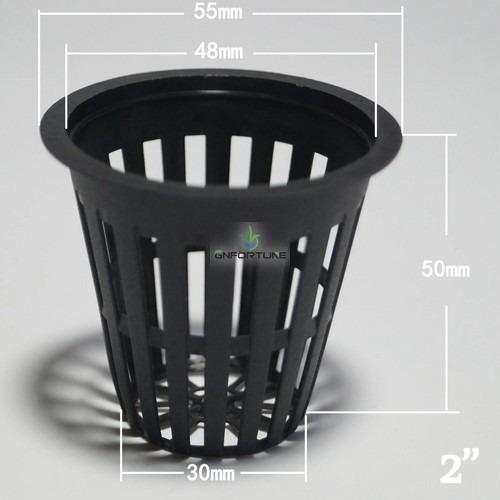
Fit deserves more attention than it usually gets. Assemble the sample with the mating parts from the same order, and check it at both ends of the tolerance range rather than only on the parts in hand. A net pot that seats correctly in one lid and rocks in the next is a fit problem the drawing did not catch.
Material is the check most often skipped, and the one hardest to fix later. Ask for the resin grade and batch used for the sample, and for the food-contact or RoHS declaration if the part touches nutrient solution or produce. The food-safe materials and certification guide sets out what to request and what the documents actually cover. Moulding defects worth rejecting early are described in the Dutch bucket quality guide.
Measurement and Photo Documentation
The record has to let someone who was not in the room reach the same conclusion. A dimensional report plus photographs, tied to a part number and a revision, does that; a numbered list of “checked, OK” does not.
| Record field | What goes in it |
|---|---|
| Identification | Part number, drawing revision, tool or mould ID, material batch, machine, date |
| Measured values | Nominal, tolerance, actual for each piece, pass or fail per dimension |
| Instrument | Type and resolution, and the calibration date of the gauge used |
| Photographs | Overall, critical dimension close-up, mating face, end section, colour reference |
| Photo discipline | Same background, scale bar in frame, label visible, same angles each batch |
| Signatures | Supplier QA and the buyer’s named approver, with date |
Photograph the sample the way it will be compared later: same three or four angles, a ruler in frame, and the part label readable. Six good photographs settle more disputes than a paragraph of description, because the comparison happens side by side rather than from memory.
Signing Off: Who Approves and How
One named person on the buyer’s side approves, and one named person at the factory signs the report. Two signatures on both sides, with the date and the drawing revision stated on the page, is the whole mechanism.
- Named approver: ideally the engineer who will install the parts, not a purchasing clerk reading a checklist.
- Revision stated: put the drawing revision on the report. An approval against an old revision is not an approval.
- Sealed reference: tag and store the sample where it will not be used, exposed to sun, or thrown away at the end of the job.
- Conditional approval: if a dimension is out but acceptable, write the deviation and the reason on the report. A verbal “it will do” becomes a dispute at the next batch.
How the Sample Referees Bulk QC
Once approved, the sample is the reference for every later comparison. Bulk inspection does not re-measure the drawing; it compares production against the referee, which is faster and catches the drift that matters.
Sampling level and acceptance quality limit are commercial terms, not engineering ones, agreed in the order. General inspection level II with an AQL around 1.5 to 2.5 for major defects is common on moulded and extruded horticultural parts; agree the number in writing before production starts and the inspection has something to decide against. The factory QC checklist sets out what is checked before dispatch, and the inbound QC guide covers what to repeat on arrival.
A golden sample nobody keeps is a photograph of an argument waiting to happen. The failure mode we keep meeting is a sample approved, photographed and then lost — used on a bench, left in the sun, or binned when the container arrived. Seal it, label it and store it away from the production floor, because it is the only thing that settles a dispute twelve months later.
Changes After Approval: The Change-Control Rule
Approval covers the part as made that day, from that tool, with that resin. Any change to tool, material, colour masterbatch, process parameters or a sub-supplied component puts the approval back in question, and the rule that protects both sides is simple: the supplier notifies in writing before the change, and the buyer re-approves or rejects before the next shipment. Tooling work in particular changes dimensions silently, which is why the tooling cost and amortisation guide treats tool ownership and modification rights as commercial terms.
Put the notification duty in the order, along with what happens to goods already made: whether they ship, whether they are held, and who carries the cost. Link the approval to payment stage as well, so the sample is signed before the balance falls due rather than after the container lands. The payment terms comparison covers how stage payments are structured around approval milestones.
Frequently Asked Questions
What is a golden sample?
A: A part made on the production tool from production material, measured against the drawing and sealed by both sides as the reference for the rest of the order.
How many samples should be made?
A: Three to five pieces from the same run. Keep one as the referee at the factory, send one to the buyer, and keep one at the line for comparison.
What does a first article inspection cover?
A: Critical dimensions, section profile, material and batch, fit with mating parts, surface finish and colour, plus a functional test where the part carries water or load.
Who signs off the sample?
A: A named buyer’s approver, ideally the engineer installing the parts, and the supplier’s QA signatory, with the drawing revision and date stated on the report.
What happens if the supplier changes the tool or material?
A: The approval is no longer valid. Require written notification before the change and re-approval before the next shipment, and agree in the order who carries the cost of goods already made.
Request a Golden Sample With Your Order Plan
Golden sample approval costs a week and prevents a container of parts that do not fit. It is the one step that turns a drawing into an agreement both sides can be held to, and it is far cheaper to resolve a wall-thickness or fit question on five pieces than on a full shipment. G&N Fortune has built hydroponic hardware since 1996 and runs sample parts on the same production lines as the order, with wet testing available in a 2,400 m² trial greenhouse before anything is sealed.
Send the drawing, the mating parts and the order quantity, and the engineering team will produce sample pieces with a dimensional report and photographs for sign-off. To request a golden sample with your order plan, state which dimensions are critical to fit, so the report covers what you will actually check on arrival.


