

If you sell hydroponic equipment under your own brand, at some point you face the make-or-buy question: who actually extrudes your channels and molds your buckets? We run OEM production for equipment brands worldwide — private-label channels and buckets, proprietary profiles, custom colors, branded packaging — from a factory that has extruded and molded hydroponic hardware since 1996. This page explains how OEM with a factory works, what it requires from you, and the questions that separate workable partnerships from expensive disappointments.
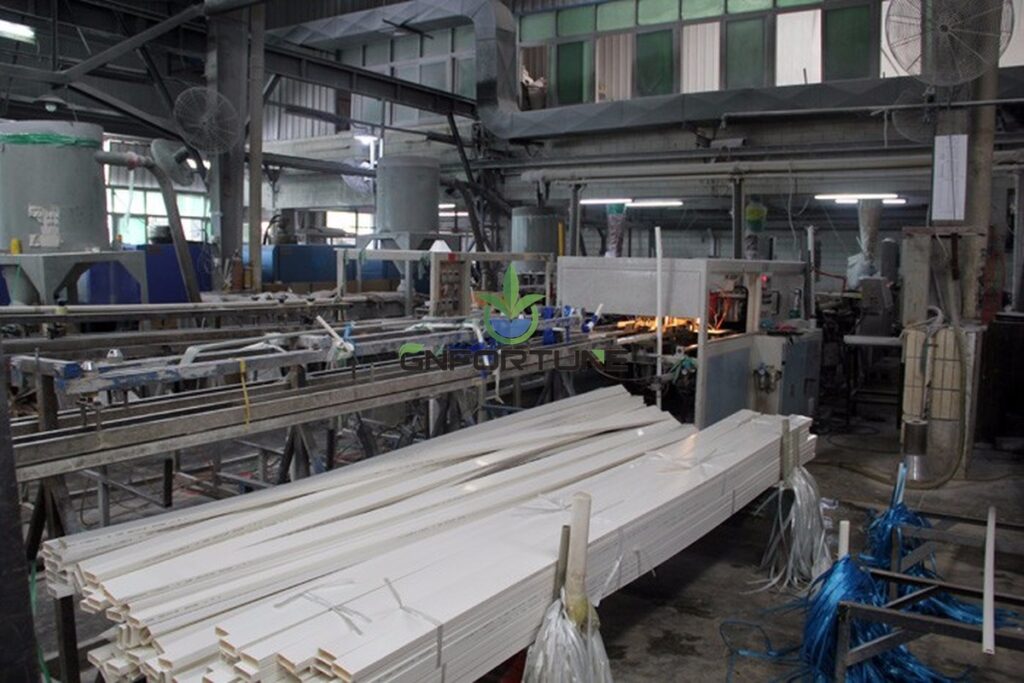
What We Manufacture Under OEM
| Service | Scope | Typical use |
|---|---|---|
| Private label | Standard profiles, your brand & packaging | Distributors building an own-brand catalog |
| Custom profiles | Proprietary channel cross-sections, new molds | Brands with a signature system design |
| Custom color | Color-matched resin runs | Brand systems, market differentiation |
| Custom lengths & hole patterns | Cut, drilled and capped to spec | System sellers with fixed layout kits |
| Component sets | Buckets, fittings, end caps, brackets to spec | Complete own-brand kits |
How an OEM Project Runs
- Spec & NDA — you share drawings or we develop the profile together; mutual NDA signed first
- Samples — sample channels/buckets by courier for your physical sign-off before tooling
- Tooling (custom profiles only) — mold cost amortized or prepaid; 8–12 weeks typical
- Pilot run — first production batch with your QC inspection, dimensional report and material certification
- Production & logistics — scheduled runs, consolidated freight, packaging to your retail or trade spec
The question that saves OEM buyers the most money: “Does this profile need a new mold, or does a standard profile meet the spec?” New tooling is the single biggest cost and timeline driver in custom hydroponic manufacturing. Sometimes a proprietary cross-section is genuinely your product’s moat — but we’ve reviewed plenty of “custom” specs that were a standard 100×50 channel with the ego tax included. Ask us to challenge the custom requirement before paying for it; a good factory partner will tell you when standard is smarter.
What We Need From You to Quote
- Profile drawing (or target spec if we’re co-designing) and target lengths
- Annual volume estimate and delivery region(s)
- Material requirements — resin grade, UV package, food-contact compliance target markets
- Packaging spec — bulk export or retail-ready
- Brand assets and labeling requirements for private label runs
Why OEM Direct with a Factory
Many equipment brands buy OEM through trading companies — one more margin layer and one more step between your spec and the extrusion line. Buying factory-direct means: your QC inspectors see the actual production floor, tooling costs are transparent, and engineering changes happen in days not months. On the flip side, a factory expects you to bring real volume and real specs — we’re a manufacturing partner, not a design agency for one-pallet projects. Standard catalog products in small quantities are better served by our standard product pages.
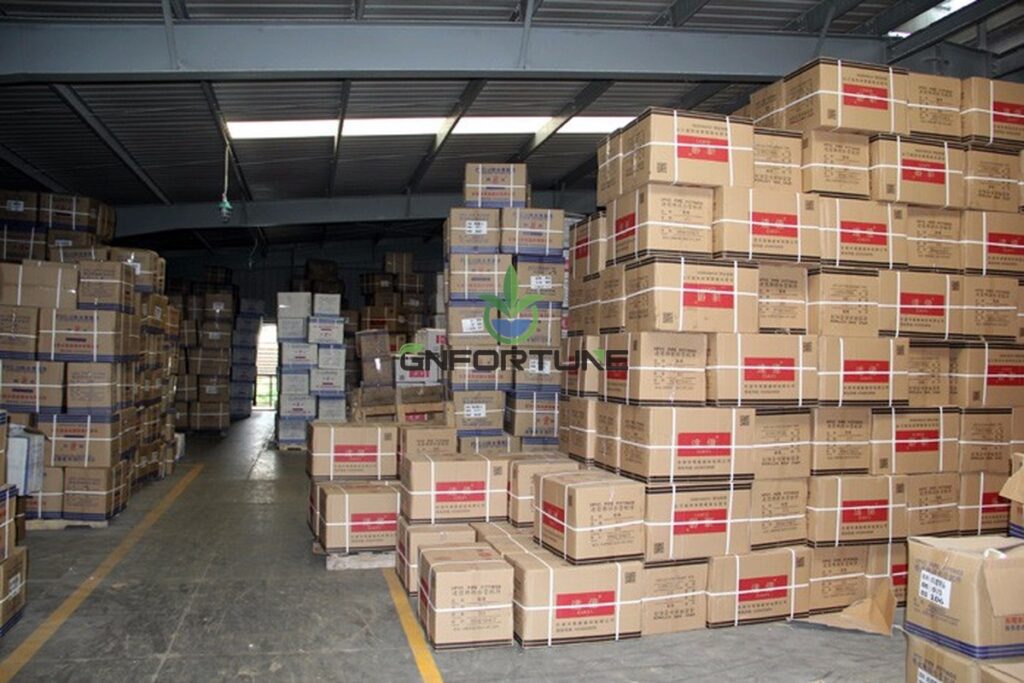
Curious about the floor itself? Our manufacturing page covers the plant, lines and QC process — video walkthroughs available for OEM discussions.
FAQ
What’s the MOQ for OEM runs?
A: Private-label on standard profiles starts around one container; custom tooling requires committed annual volume that amortizes the mold — discussed case by case at spec stage.
Who owns the mold?
A: The party that pays for it, with rights defined in the OEM agreement — standard practice, in writing before tooling starts.
Can you match certifications for our market?
A: Food-contact and material compliance for target markets is scoped at spec — bring your market requirements and we’ll confirm what’s achievable in the resin system.
Start an OEM Conversation
Send your profile drawing or target spec and annual volume through the quote form (mark it OEM) — NDA first, engineering discussion second, quote third.