

Your Crop Is Only as Good as What You Accepted
By the time a crop problem is visible in the channels, the cause may have arrived on a pallet weeks earlier: a seed lot with weak germination, a media batch with salt residue, plugs that arrived past their prime. Most farms have strict QC downstream and nothing at all at the goods-in door. That gap is where a surprising share of crop failures is born.
Growing media quality control and seed lot acceptance are cheap, fast disciplines — an hour of bench work per delivery against weeks of risk. This guide sets out a working incoming inspection routine for a commercial hydroponic farm.
What to Check on Every Seed Lot
| Check | Method | Acceptance rule |
|---|---|---|
| Label integrity | Lot number, variety, treatment status, dates match order | Any mismatch = quarantine |
| Germination sample | 100 seeds on paper, standard count day | Within stated germination % minus tolerance |
| Seed health status | Certificate of analysis where required | Present, current, lot-matched |
| Treated vs untreated | Visible colour and documentation | Matches what propagation planned |
| Storage condition on arrival | Cool and dry, packaging intact | No damp cartons or heat exposure |
| Quantity | Count or weight vs order | Recorded before racking |
The 100-seed germination test is the anchor. It costs a tray, a week and ten minutes of counting, and it converts “the lot was bad” from an argument into a documented claim.
What to Check on Media Deliveries
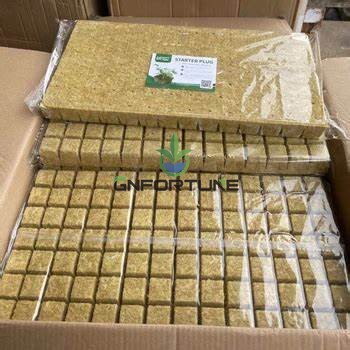
Substrate is the input most often accepted on trust and least often tested. For every batch of rockwool, coco, perlite or peat-based product:
- EC of the saturated extract — a handheld meter and a standard slurry; coco especially can arrive hot with potassium, sodium or chloride
- pH of the extract — drift from spec changes your early nutrition
- Moisture and structure — dust, crushed plugs or inconsistent cube height all cost you at transplant
- Packaging integrity — shrink wrap intact, pallets dry, no pest evidence
- Certificates: batch numbers against the delivery note, and any food-contact or RHP-type certification claimed
- Retention sample — keep two cubes or a bagged sample per batch, labelled, for three months
The retention sample matters more than it sounds. When a crop stumbles in week four, being able to test the actual batch that went in turns guesswork into evidence — for you, the media supplier and your insurer.
The Paper Trail
Each delivery gets one record, kept with the batch: supplier, date, lot numbers, checks performed, results, pass/fail, who signed. Photograph anything doubtful before deciding — damage claims die without datestamped photos. File these alongside traceability records so a downstream question (“which media was batch 214 grown in?”) is a lookup, not an investigation.
Rejecting a Delivery Without Drama
- Segregate and label the delivery so it cannot enter production by accident
- Record the failure precisely — numbers, photos, lot codes
- Notify the supplier the same day, in writing, with the evidence
- Agree disposition: return, credit, or rework (e.g. buffered and washed coco) only if a documented process exists
- Log the trend — two failures from the same source is a supplier review, not a coincidence
Farms that inspect consistently find suppliers adjust to it: better pallets, honest certificates, fewer “surprise” lots. The inspection regime becomes a quality filter upstream of you.
What Skipping the Check Actually Costs
The economics of incoming inspection are unflattering to the alternative. A single rejected seed lot costs the traverse: the germination throwaway, the delayed planting window and the replant labour. A media batch carrying high sodium can quietly suppress early growth for three weeks before anyone connects cause and effect — by which point the batch is mixed into every tray on the site.
Set this against the cost of inspection: roughly an hour of labour per delivery, a stack of petri dishes and a handheld EC meter. Farms that adopt the habit rarely abandon it, because the first avoided bad batch usually pays for several years of testing supplies. The discipline also strengthens your position with suppliers — a documented, dated test result is far harder to argue with than a complaint made six weeks after delivery.
FAQ
Do I really need to germination-test branded seed?
Yes. Reputable houses are good, but lots vary and transport happens. The test is not an accusation — it is your only leverage if the lot underperforms.
How much media should I sample per pallet?
Take samples from at least two bales or cartons per pallet position, including one from the bottom layer where moisture and crushing concentrate.
What EC is acceptable for coco?
It depends on the wash claim, but high-quality buffered coco typically measures well under 0.5 mS/cm in a 1:1.5 extract. Anything well above the supplier’s spec is a claim, not a blending problem.
Can I wash and buffer coco on-farm?
Small volumes yes, with a written procedure and a post-treatment EC check. At commercial volume it is usually cheaper to buy properly buffered product than to spend labour and water fixing it.
Who does the inspection in a small team?
The propagation lead for seed, whoever runs fertigation for media — the same two people who feel the consequences. Rotate the signing authority so the process survives holidays.
Does this help with audits?
Directly. Batch acceptance records are among the first documents GLOBALG.A.P.-type auditors ask for under inputs management, and retention samples show a system, not a story.
An Hour at the Door
Incoming inspection is the cheapest quality system you will ever run. We supply growing media and propagation inputs with batch certificates as standard — tell us your crops and volumes. Start with the quote form.
Related reading: this connects the inputs chain — see variety selection and seed sourcing, rockwool for commercial propagation, propagation and transplanting, supplier factory audits and traceability and batch records.