Equipment that works beautifully in a factory can still be stuck at the port — not for quality reasons, but because a certificate, a licence or a declaration was never prepared for the destination country. Destination compliance is the whole set of rules the receiving country applies to imported equipment: electrical certification, food-contact material declarations, import licences and registration. It is a checklist problem, but one with long lead times and an unclear default owner, which is why it needs to be settled in the contract rather than discovered at customs.
What Destination Compliance Covers on a Hydroponic Project
Four categories cover nearly everything an imported hydroponic system encounters:
- Electrical and mechanical safety certification: the receiving market’s rules for pumps, dosing units, control cabinets and fans.
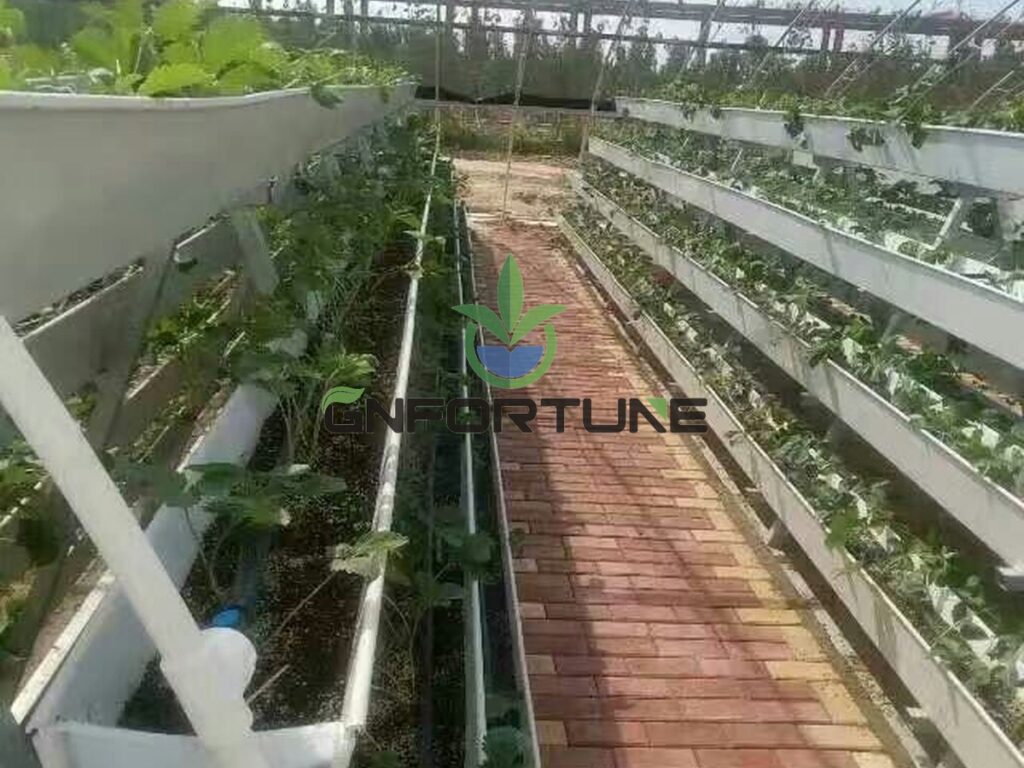
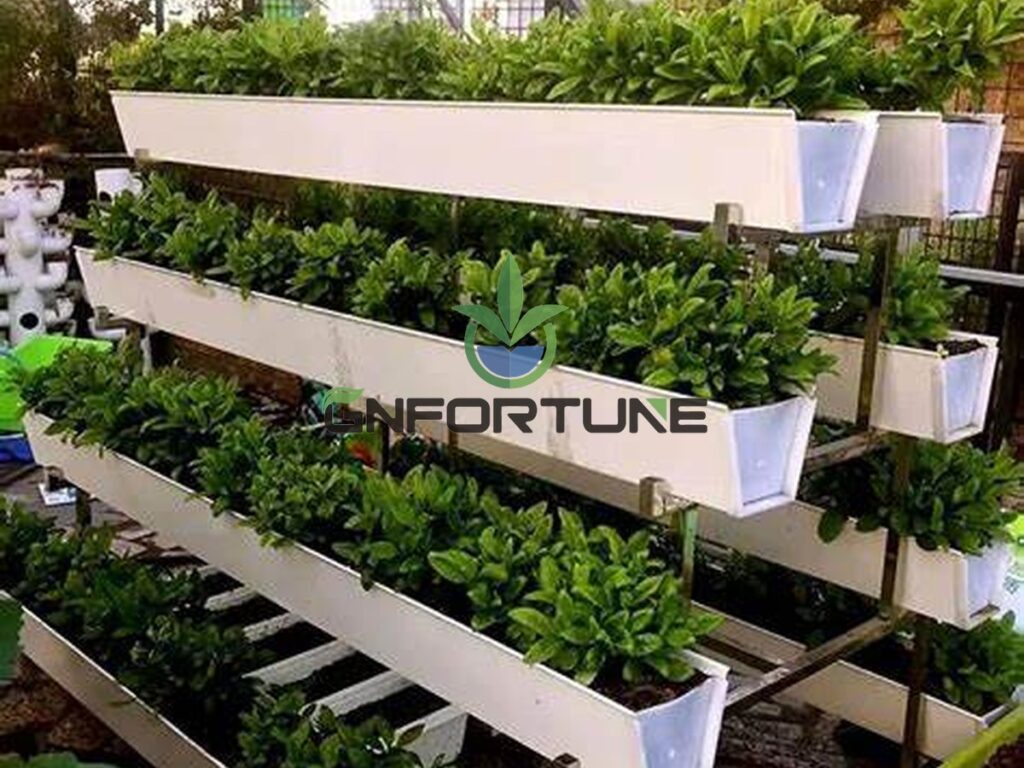
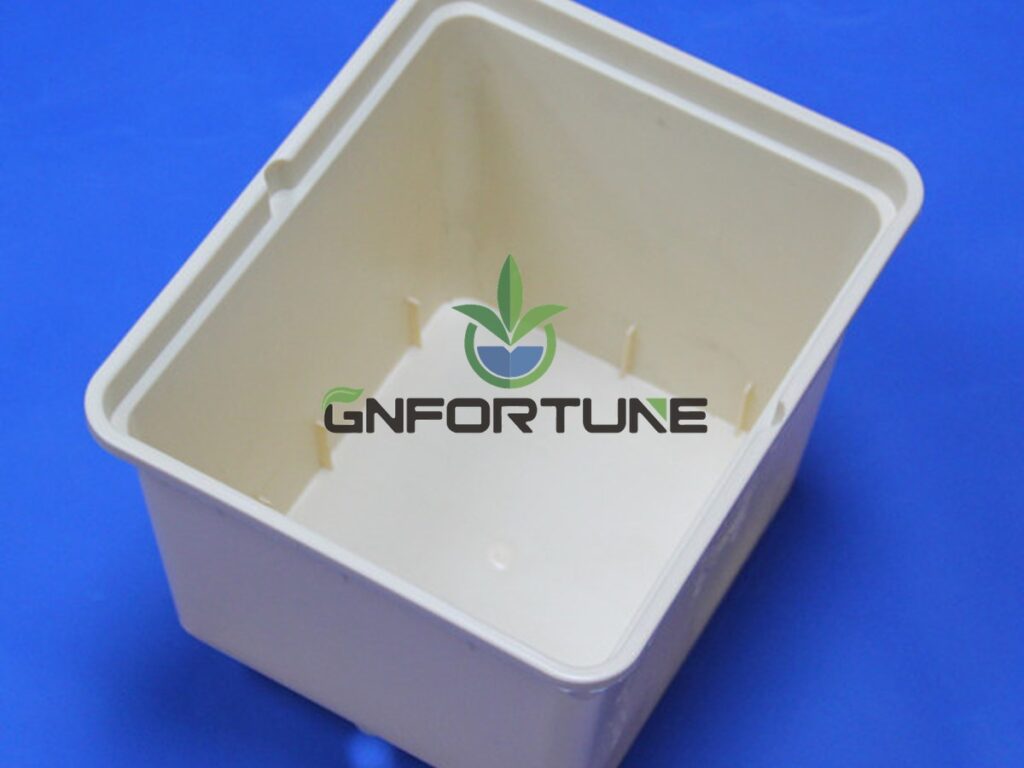
- Food-contact declarations: evidence that surfaces touching edible produce — NFT channels, net pots, tanks, gutters — are made of compliant materials.
- Import licences and permits: the pre-arrival approvals some countries require for machinery or specific components.
- Labelling and marking rules: language requirements for panels, packaging and manuals.
Each category has a different owner, a different lead time and different evidence. The mistake that costs projects is treating them as one vague duty of the supplier, because several of them can only be done by the importer of record — the buyer.
Electrical Certification by Destination
For the EU, electrical equipment placed on the market must carry CE marking backed by a declaration of conformity and, for relevant directives, test evidence. The UK runs the parallel UKCA regime; other destinations apply their own schemes, and some accept international IEC-based test reports rather than requiring a local mark. Buyers should confirm with their import agent which regime applies before the panels are wired, because retrofitting certification onto built equipment is slow and expensive.
Three evidence items are worth demanding in the contract regardless of market:
- The declaration of conformity for each powered component, naming the directives or standards applied.
- The test reports behind it, or at minimum the standard numbers and the notified body’s involvement if one was required.
- Nameplate data matching the destination’s voltage and frequency — an electrical mismatch is a compliance failure even when the paperwork is perfect.
Food-Contact Declarations for Growing Surfaces
Hydroponic channels and pots are unusual equipment: they are in continuous contact with a crop that people eat raw. Several destinations therefore treat the growing surface as food-contact material, and a supermarket audit at the farm will ask for the declaration whether or not customs did. For EU-bound goods this means materials declared compliant with the applicable food-contact framework; for other markets the exact instrument differs, but the ask is the same — a written declaration naming the material, any relevant standard, and the responsible manufacturer.
The material science behind those declarations — which plastics qualify, what ROHS and food-safe grades mean, and how to verify — is covered in depth in the article on food-safe materials and certification. From the compliance side, one rule matters most: the declaration must be issued for the actual production material and batch, not a generic product-family letter, because auditors increasingly ask for traceability behind the claim.
Import Licenses, Permits and Registration
Some destinations require machinery imports to be covered by an import licence, a registered contract, an exemption letter under an investment incentive, or a pre-shipment conformity assessment. These approvals belong to the importer of record, use local-language forms, and their lead times run from days to months depending on the country and scheme. The buyer’s import agent is the right source for which apply; the article on the importing equipment checklist walks the arrival-side process.
Two planning habits prevent the classic failure — equipment arriving before its licence:
- Start the licence the week the contract is signed, not the week production finishes. The paperwork clock and the factory clock run in parallel.
- Match shipping mode to approval status: if an approval is pending, sea freight buys time that air freight does not. Booking the vessel before the licence is granted is a planning decision, not a logistics detail.
Who Prepares What: Allocating Compliance in the Contract
Destination compliance fails most often because both sides assumed the other owned it. The fix is a table in the contract, agreed at quotation, that assigns each requirement an owner and a deadline. The general principle used in project scoping — supplier prepares what only the manufacturer can, buyer prepares what only the importer can — is set out in the article on the scope split between buyer, supplier and installer.
| Requirement | Where it typically applies | Who prepares it | Evidence to file |
|---|---|---|---|
| Electrical certification (CE/UKCA or equivalent) | EU, UK and mark-based markets | Supplier, per component and panel | DoC, test reports, nameplate photos |
| Food-contact material declaration | EU and audit-driven markets | Supplier, per material and batch | Named declaration + traceability |
| Import licence / machinery permit | Country-specific | Buyer, via import agent | Licence number and validity dates |
| Conformity pre-shipment assessment | Scheme-based destinations | Buyer books, supplier hosts | Certificate of conformity |
| Labelling and manual language | Most regulated markets | Supplier, per contract spec | Photos of marked panels and manuals |
| HS classification and duty entry | Everywhere | Buyer with customs broker | Classification ruling or entry plan |
Filing the evidence matters as much as obtaining it. The document set that arrives with equipment — manuals, certificates, declarations — should be archived with the as-built file, because certification audits and warranty claims both reach back to these papers years later.
Sequencing Compliance Into the Project Timeline
A workable order of operations: confirm the destination’s regime list at quotation; freeze the electrical specification and material grades in the contract; supplier produces declarations and certificates against the actual build; buyer files licences and permits in parallel; certificates travel with the shipment or ahead of it; evidence archived at acceptance. When each step has a date and a name, compliance becomes part of the delivery schedule instead of a gamble at the border.
Destination compliance is not one certificate but a small portfolio, each item with its own owner and lead time. Settle the electrical regime, get food-contact declarations issued for the real material, start import licences at signature, and write the allocation into the contract — then the equipment and its paperwork arrive together.
FAQs About Destination Compliance
Does CE marking cover a hydroponic system sold into the EU?
It covers the powered components and machinery — pumps, dosing units, control panels — against the applicable directives. Growing surfaces are not a CE matter; their compliance story is the food-contact material declaration. Both belong in the file.
Who applies for the import licence, the buyer or the supplier?
Almost always the buyer, as importer of record, using a local agent or broker. Suppliers can supply the technical annexes the application needs, but the licence itself is a destination-side instrument.
Is a generic food-contact declaration from the material producer enough?
It is a starting point, not the finish. Auditors and some regulators want the declaration traceable to the material actually used in the delivered batch, so ask the equipment supplier for a declaration naming the specific material and production run.
How early should import permits be started?
At contract signature, in parallel with production. Lead times range from days to months depending on country and scheme, and equipment booked to sail before an approval is granted has created more customs delays than any other single cause.
What happens if equipment arrives without a required certificate?
Expect detention or re-export, with storage charges accruing daily. Some documents can be couriered after the fact; licences and conformity assessments usually cannot. That asymmetry is why the compliance checklist runs before shipping, not after arrival.
Related Reading
- Food-Safe Materials in Hydroponics: uPVC, ROHS and Certification — The material science behind the declarations
- Importing Hydroponic Equipment from China: Buyers Checklist — The arrival-side process step by step
- Hydroponic Equipment Documentation and Manuals — Archiving the evidence for audits later
- Turnkey Hydroponic Projects: Scope Split Between Buyer, Supplier and Installer — How responsibility allocation is structured
- What Our Patents and Certifications Mean to a Buyer — Reading a supplier’s certification claims
Next Step: What to Send for a Quotation
Compliance requirements shape what gets built — panel standards, material grades, labelling languages — so they belong in the RFQ, not the shipping instruction. Orders quoted with the destination named come back with the right certificates from the first production run.
Sourcing equipment for a regulated destination? For RFQ or project consultation, send: destination country and port; the destination’s certification requirements if known; whether food-contact declarations are needed for the crop and buyer; import licence status and timeline; electrical specification at the site; order size and delivery schedule; and the budget band. G AND N FORTUNE LIMITED quotes systems with destination documentation prepared against those parameters.