
Freight Insurance and Damage Claims on Equipment Orders
Cargo insurance equipment shipment cover is bought in one line on a quotation and tested months later, in a port, with a container that arrived wet. The cover itself is rarely the problem; the claim file is. Underwriters pay on documents: what was declared, what was photographed at stuffing, and what the bill of lading said at discharge. This article sets out what marine cargo cover includes and excludes, how Institute Cargo Clauses A, B and C differ, how to set declared value and deductible, the evidence to capture on stuffing day, and how to assemble a claim file that settles.
What Cargo Insurance Equipment Shipment Cover Includes and Excludes
Marine cargo cover pays for physical loss or damage during the insured transit, normally warehouse to warehouse, plus general average and salvage charges. Fire, explosion, vessel grounding or collision, overturning of the land conveyance, water entry and theft of a whole package fall inside the standard wordings, depending on the clause chosen.
Exclusions decide most disputes. Cover excludes ordinary wear and loss in weight, delay even when caused by an insured peril, inherent vice and carrier insolvency. The exclusion that matters most to equipment buyers is unsuitability of packing: crushed gutter bundles are often defended on the basis that the packing, not the sea, did the damage.
Two points of scope matter at placement. Cover usually ends a fixed number of days after discharge, commonly 15, or 60 under a marine extension clause, so longer port storage needs an extension. This cover attaches to the cargo, not the farm; the insurance a grower buys for crop and structure is a separate product, described in the notes on crop insurance for hydroponic farms.
Institute Cargo Clauses A, B and C in Plain Words
Clause choice is where two quotations with the same headline premium differ. Read the clause wording in the policy rather than a broker’s summary, and treat “All Risks” as a marketing phrase until the clauses are named.
| Clause | Basis | Perils typically covered | Fits |
|---|---|---|---|
| ICC (A) | All risks, minus listed exclusions | Theft, pilferage, water ingress, handling damage, plus all B perils | Machinery, mixed loads, high value |
| ICC (B) | Named perils | Fire, vessel casualty, overturn, earthquake, water entry, package dropped in loading | Dense goods, moderate value |
| ICC (C) | Fewer named perils | Fire, explosion, vessel casualty, overturn, jettison, general average | Minimum cover, rarely suitable |
For containerised equipment the difference between B and A is usually worth the premium, since handling damage and pilferage are the losses seen most often and neither is covered under C. Rust, oxidation and container condensation are excluded unless they follow an insured peril, which makes moisture control a packing issue. Where the seller places the cover, as under CIF, the clause is usually the minimum; the comparison of incoterms for equipment orders shows why that matters.
Declared Value and Deductibles
Declare invoice value plus freight and insurance plus an uplift, conventionally 10%, to cover reordering cost and the margin lost while a replacement is made; some buyers declare 110 to 130% for machinery that is hard to replace. Declaring less is a false economy, since underinsurance is applied proportionally.
Deductibles sit either at a percentage of insured value, often 0.3 to 1%, or as a fixed amount per container. A higher deductible lowers the premium, but the claims that happen are the small ones, so lower the deductible before lowering the clause. Premiums for broad cover commonly fall near 0.3 to 0.6% of insured value.
The declared value must tie to the invoice and packing list, since bills of lading, invoices and packing lists are read together at claim stage; the documents checklist for packing list and invoice covers the fields to reconcile.
Evidence at Stuffing: Photos, Seal Numbers, Packing List
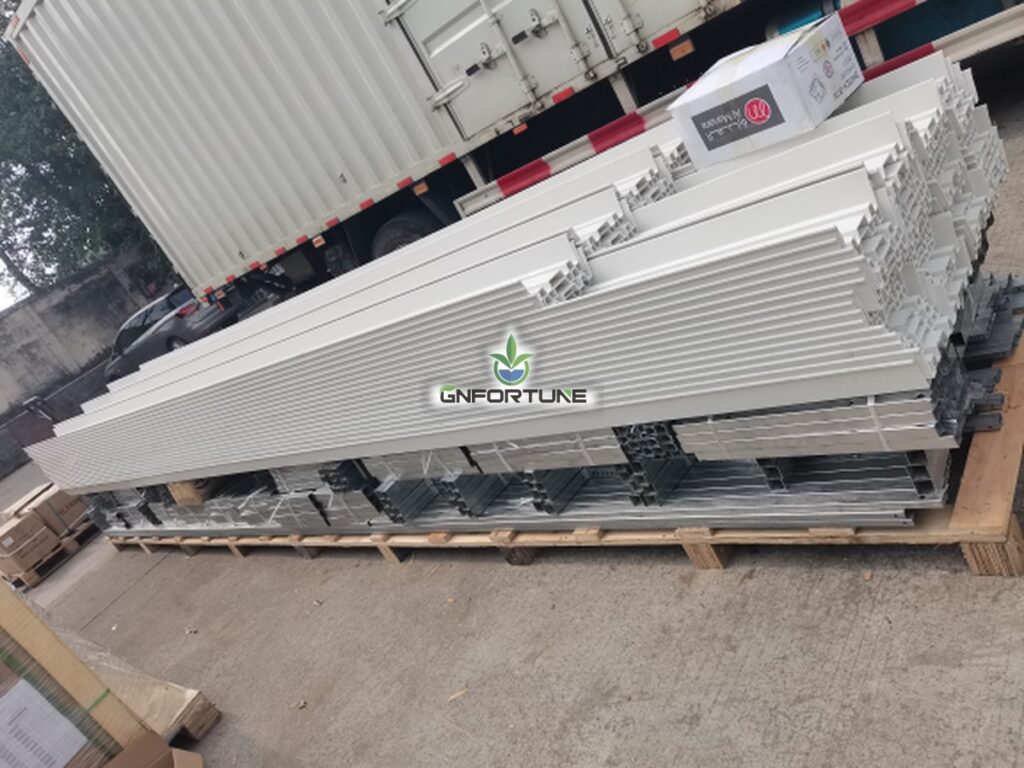
Claims are won on photographs taken before the container moved: the empty container, each loading stage, then the closed doors with the seal number legible. The seal number must match the bill of lading and packing list exactly.
- Empty container: floor, walls, roof and doors, any dents or repairs, container number in frame.
- Loading stages: first, mid and final layer, so stow and dunnage are visible.
- Packing detail: strapping, corner protection, stretch wrap and desiccant bags in place.
- Closing: doors shut, seal applied, seal number and container number legible.
- Count: cartons and pallets against the packing list, piece count and gross weight recorded.
A timestamped video walk-around beats stills, and a load plan showing which item sat where turns a damage argument into a fact. Wooden pallets carry a documentation obligation too; the rules are set out in the notes on export documentation and phytosanitary requirements.
Noting Exceptions on the Bill of Lading
A clean bill of lading records that the carrier received the goods in apparent good order, which is what an adjuster reads first. If the container shows impact damage, or a broken or replaced seal, note it on the delivery docket before signing and ask the terminal to endorse it. Photograph the container at gate-out, then again with the seal in place at your site.
Give written notice to the carrier and broker promptly: under the common carriage conventions, apparent damage is notified before or at removal, and damage not apparent within a short period afterwards, commonly three days, with claims against the carrier generally time-barred after one year. Check the contract of carriage for the exact period, and keep the seal in a labelled bag.
Assume the file, not the argument, decides the claim.
Every reduced settlement has the same shape: no photograph of the empty container, a seal number that does not match the bill of lading, or damaged goods scrapped before a surveyor saw them. The premium buys the right to claim; the file is what converts it into money.
Building a Claim File: Timeline and Documents
Sequence matters less than completeness, but the early steps have hard deadlines attached.
| Step | Timing | Documents |
|---|---|---|
| Note exceptions, photograph | At discharge, before gate-out | Delivery docket with exceptions, seal number, gate-out photos |
| Written notice to carrier and broker | Same day to 3 days | Notice letter, bill of lading copy |
| Survey appointment | 3 to 7 days | Surveyor report, joint inspection note |
| Formal claim to insurer | 7 to 30 days | Claim form, policy, invoice, packing list, B/L, photographs |
| Mitigation and salvage | Ongoing | Repair quotation, scrap note, separated stock list |
Settlement typically follows 30 to 90 days after a complete file. Keep damaged goods available and separated until the surveyor has seen them, since disposal before survey is the fastest way to lose the claim. Photograph the damage in the same sequence as the stuffing photographs: container, position, item, close-up.
Packing Specifications That Reduce Claims
The cheapest claim is the one that never happens, and most prevention sits in the purchase order: carton board grade, pallet type and heat treatment, strap gauge, corner protection, stretch wrap layers and maximum stack height. For long profiles, specify dunnage and blocking, since an unblocked bundle shifts in the first heavy swell.
Moisture is the other half: size the desiccant to container volume and transit length, check the floor for damp, and do not stuff in the rain. Spread weight evenly and keep heavy items low, since a point load damages the floor and crushes what is underneath. Load patterns for equipment are covered in the notes on container loading for hydroponic orders, and the checks to run when the container lands are set out in the inbound QC guide for imported equipment.
Cargo insurance equipment shipment disputes come back to these two documents more than any others: the packing specification in the order, and the stuffing-day photographs. Both are produced before anyone knows whether a claim will be needed, which is exactly why they decide it.
Frequently Asked Questions
Does cargo insurance cover rust and container condensation?
A: Usually not. Corrosion and condensation are excluded unless they follow an insured peril, so moisture control belongs in the packing specification.
What value should be declared for an equipment shipment?
A: Invoice value plus freight and insurance plus an uplift, conventionally 10%, and up to 130% where replacement would take months.
How long does a damage claim take to settle?
A: Commonly 30 to 90 days after a complete file, and materially longer where the survey is late or damaged goods were disposed of early.
Is the insurance a supplier arranges under CIF enough?
A: It is usually minimum cover on limited clauses at 110% of invoice value, ending at the destination port, so the inland leg is often uninsured.
What if the seal is intact but the goods inside are damaged?
A: The claim turns on packing and pre-shipment condition rather than transit, which is why the empty-container and loading-stage photographs decide it.
Request the Stuffing-Day Photo Checklist
Send the commodity, container plan and transit route, and the team will return a stuffing-day checklist covering container inspection, load-stage photographs, seal recording and the documents to hold against a transit damage claim.
To Ask for our stuffing-day photo checklist so a claim, if needed, is watertight, include the container size, pallet count and whether the cargo is strapped, crated or loose-loaded.


