Peristaltic dosing tube wear is the quietest failure on a fertigation system, because nothing breaks — the pump keeps turning, the display keeps showing a dose, and the crop receives a little less every week. The tube is a consumable: it works by being crushed between rollers thousands of times a day, and it wears on a schedule set by speed, chemistry and duty, not by the calendar. Treating tube replacement as maintenance rather than repair keeps the dosing accuracy a recipe depends on — and a worn tube is never discovered through a month of drifting pH.
A Dosing Tube Is a Consumable, Not a Part
A peristaltic pump meters by volume: the rotor traps a fixed pocket of liquid in the tube and pushes it forward. Everything about the dose depends on that pocket keeping its shape and elasticity every revolution. Fatigue changes both: each roller pass compresses the tube flat, the elastomer recovers a little less each time, the pocket shrinks, and output falls at exactly the speed the controller believes is correct.
Three factors set how fast that happens on a given installation:
- Speed and duty cycle: wear scales with revolutions, so the same tube lasts very different times on two farms with identical tanks.
- Chemistry: acids and oxidants attack the elastomer from inside while the rollers work it from outside, and the combination is what kills tubes early.
- Compression setting: an over-tightened bed wears the tube fast; an under-tightened one slips and loses prime — both shorten life in opposite directions.
No single interval fits all three variables, so the operating rule is to calibrate on a fixed schedule and replace on evidence.
Tube Materials Compared for Fertigation Duty
Three material families cover the fertigation market, and the choice is driven by what the line doses — stock solution, acid, or sanitiser — as much as by price.
| Tube material | A/B stock solutions | Acid and sanitiser lines | Mechanical life at the same duty | Watch-outs |
|---|---|---|---|---|
| Silicone | Good | Weak — swells and tears with strong acid and oxidants | Baseline (reference duty) | Cheapest per metre, most frequent to change; fine on fertiliser-only heads |
| Norprene-type thermoplastic elastomer | Good | Moderate — fine for nitric and phosphoric duty; confirm against hypochlorite | Commonly planned at 1.5–3× baseline under the same duty | The default on fertigation farms; verify the specific compound, not the family name |
| Fluoroelastomer (Viton-type) | Good | Best — the usual pick for acid and oxidising sanitiser lines | Varies; often shorter at low temperature or high speed | Stiffer, needs correct clamping and a pump rated for it; highest cost |
The life figures are planning comparisons, not promises — wear on your pump at your speed and compression is the only number that counts, which is what the calibration log below produces. Confirm tube material per channel: a multi-channel pump dosing acid on one head and fertiliser on another does not want one material across the board.
Three Signs the Peristaltic Dosing Tube Is Wearing Out
Tube wear announces itself in a predictable order, and the first two signs are measurable before anything looks wrong:
- Flow falls at the same speed setting. If the monthly cylinder test shows the pump delivering less per minute than last month, the tube pocket has shrunk. No other explanation competes.
- The output pulses and slurps. A fatigued tube delivers a stuttering, gurgling stream, and the controller’s short correction shots start missing their mark.
- The tube shows it: flattened set, whitening, cracks. Surface crazing near the pump head or a permanent flattened set means the tube is past reliable service — change it that week, whatever the calendar says.
By the time a tube fails openly — splitting in the head and pumping air — it has delivered the wrong dose for weeks and the fluid has worked into the pump mechanism. The first two signs exist precisely so that never happens.
Calibration: The Graduated-Cylinder Method
Calibration is deliberately low-tech. Run the pump at its normal operating speed for one minute with the suction line in solution and the delivery line into a graduated cylinder. Repeat three times, average the readings, and log the mL/min figure against the date and the tube’s running hours. Compare against the previous entry, not the datasheet — the trend is the diagnostic.
The frequency that holds up in practice: a quick weekly check per channel, a full logged calibration monthly, and a mandatory calibration after every tube change, chemistry change or speed-setting change. Probes follow the same discipline of fixed schedule plus re-check after intervention — the routine is covered in the guide to hydroponic sensor calibration and probe maintenance.
How Calibration Drift Becomes a Systematic EC and pH Error
Drift from a wearing tube is not noise; it is directional, and the closed-loop controller turns it into a bias. On an EC channel, a shrinking dose makes tank EC read low, so the controller lengthens its shots to compensate. The logs look correct — EC on target — while the actual recipe strength sags and the fertiliser bill per cubic metre climbs. On the pH channel it is sharper: a worn acid tube delivers less than commanded, the controller calls more corrections, and pH oscillates with progressively larger swings.
The acid channel deserves special mention, because acid is where chemistry and fatigue compound: nitric and phosphoric duty is chemically demanding as well as mechanically relentless, so acid heads drift first and a fluoroelastomer tube earns its price there. The choice between them is covered in the guide to nitric, phosphoric or sulphuric acid for pH control. A farm that calibrates monthly catches this within weeks; one that calibrates yearly funds it in yield.
Multi-Channel Pumps: Cross-Leakage and Line Flushing
Multi-head pumps concentrate several chemistries a few centimetres apart, and a failed tube can put two of them where they do not belong. Acid reaching a stock line, or fertiliser backing into an idle head, causes precipitation and blockage downstream — much harder to find than a worn tube. Every head needs a working check valve or anti-siphon on its delivery side, and the routing must never let a head siphon from the tank when the pump stops.
Flushing belongs to the same routine: lines sitting with concentrated stock between dosing events crystallise, especially at tube ends and check valves. A periodic clean-water flush, and a flush whenever the system idles, keeps tubing and fittings clear. The stock solutions themselves — what goes in the tanks and what crystallises out — are set out in the guide to mixing hydroponic A and B nutrient solutions.
Replacement Labour and the Spares Ratio to Hold
Tube replacement is a short job when planned: isolate the head, release the tube bed, swap and seat the tube, restore compression, prime, calibrate with the cylinder. On a typical multi-channel unit a planned change runs in the order of 10–20 minutes per head with parts on the shelf; the same job on a failed, crystallised head dripping solution takes several times longer and usually happens at the worst hour.
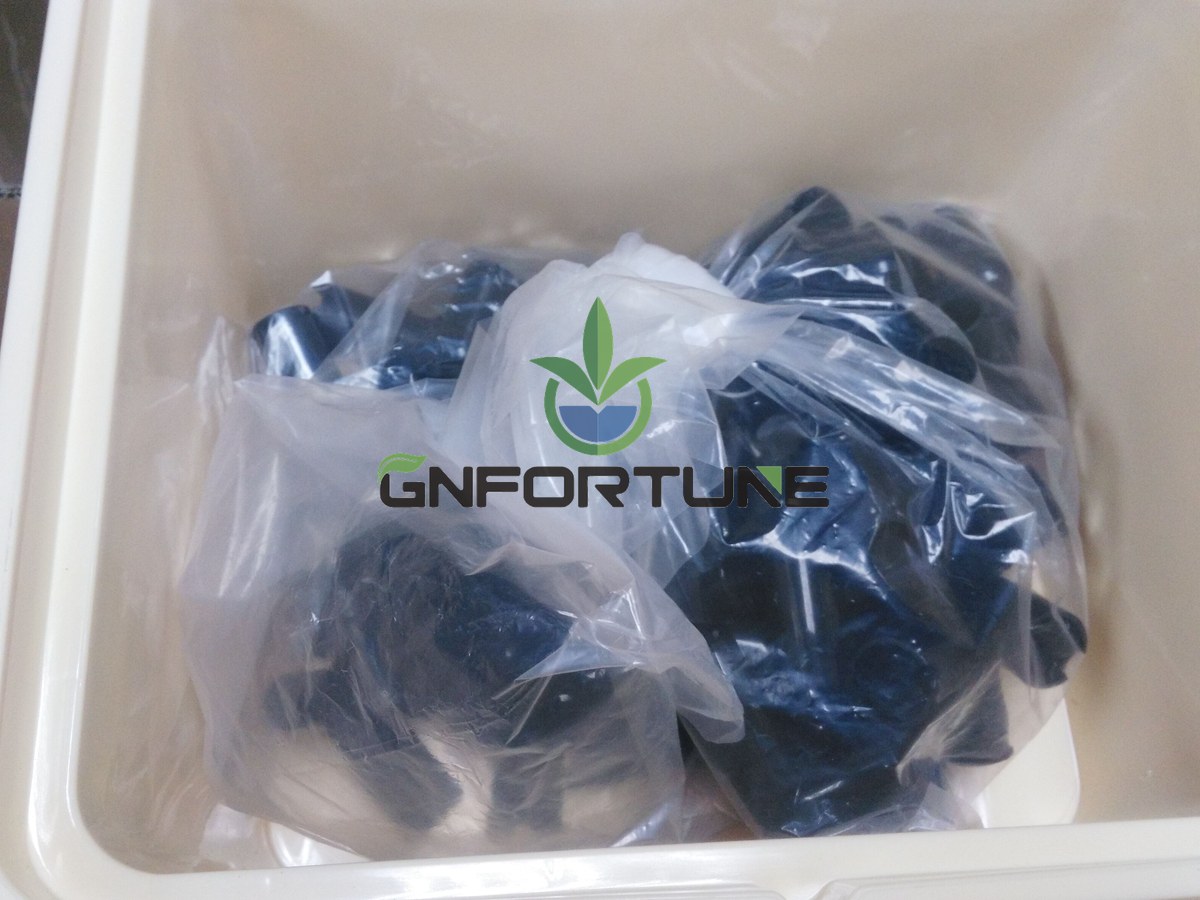
That difference is what the spares ratio buys. Hold at least one complete peristaltic dosing tube set per pump on site, plus a spare set for every chemistry that runs hot — acid and any sanitiser head — and record every tube’s replacement date and running hours. Tube sets are small, light and cheap; the downtime they prevent is neither, and the downtime-based stocking method for the whole farm is set out in the site’s critical spare parts guide. Run that way, peristaltic pump tube wear becomes a logged item with a known interval, and calibration drift never reaches the crop.
FAQs About Peristaltic Pump Tube Wear
How often should peristaltic dosing tubes be replaced?
There is no universal interval — wear scales with speed, compression and chemistry. Calibrate monthly and replace on the trend: falling flow at the same speed, or visible flattening and cracking, means the tube goes at the next planned change.
Which tube material handles acid dosing best?
Fluoroelastomer tubes are the usual choice for acid and oxidising sanitiser lines, with Norprene-type compounds generally adequate for nitric and phosphoric duty at moderate speeds. Confirm the specific compound and pump compatibility with the supplier, and match material per channel.
How do I know the dosing pump is still delivering the right amount?
Run the cylinder test: one minute at operating speed into a graduated cylinder, three repeats, logged. If the reading at the same speed has fallen against last month, the tube is worn — whatever the controller display claims the dose is.
Can a worn tube damage the pump itself?
Yes, slowly. A failed tube lets solution onto the rollers and bearings, and a slipping, under-compressed tube runs the motor without load, masking other faults. The damage is usually secondary; the dosing error reaches the crop long before the pump gives up.
Do I need to recalibrate after every tube change?
Always. A new tube has a different pocket volume and elasticity, and the commissioning number is not transferable. Prime, run the cylinder test, and log the new figure before the channel goes back on control.
Related Reading
- Auto Dosing Systems for Hydroponics: When and What to Buy — The system the tubes belong to
- Hydroponic Nutrient Controllers: Dosing, pH and EC Monitoring — How a controller turns wear into a bias
- Fertilizer Injectors for Hydroponic Farms: A Guide — The venturi alternative and its maintenance
- Hydroponic Sanitisers Compared: PAA, Peroxide and Chlorine Dioxide — Chemistries that are hardest on elastomer tubes
- Critical Spare Parts for Hydroponic Farms: A Downtime-Based Stock List — Where dosing tube sets sit in the stock list
Next Step: What to Send for a Quotation
Dosing hardware is quoted against channels, chemistries and delivery rates — tube material follows from the chemistry list, not the other way round. Send that list with the RFQ and the tube specification comes back right first time.
Specifying or upgrading a dosing system? Send: the number of dosing channels and what each one doses (A, B, acid, sanitiser); stock solution concentrations and tank volumes; required dose range per channel in mL/min and the controller make; water analysis and target EC and pH at the emitter; whether spare tube sets should be included and at what ratio; delivery schedule; and the budget band. G AND N FORTUNE LIMITED supplies fertigation and dosing equipment, tanks and matched irrigation packages quoted to those parameters, with consumable sets specified per channel chemistry.