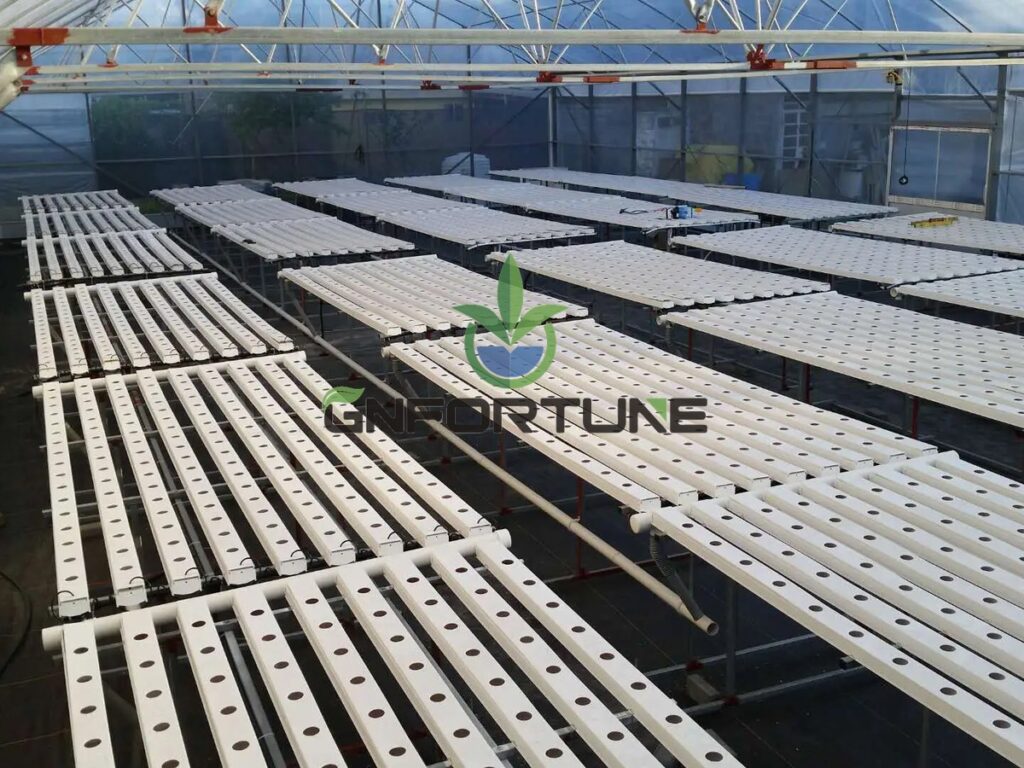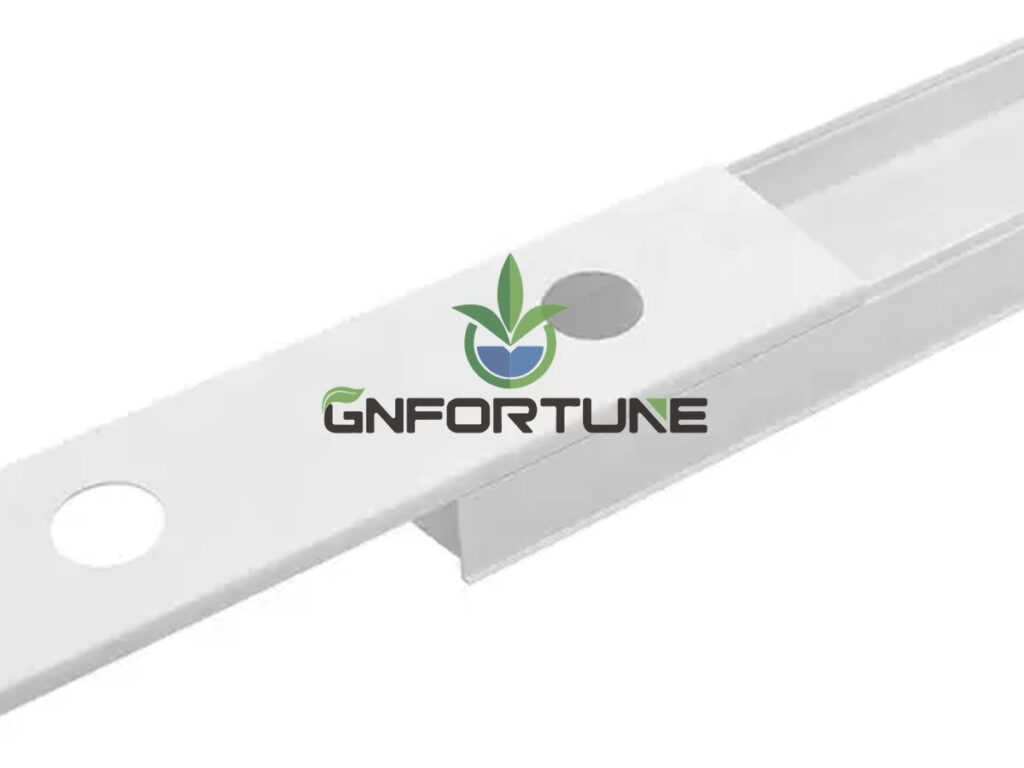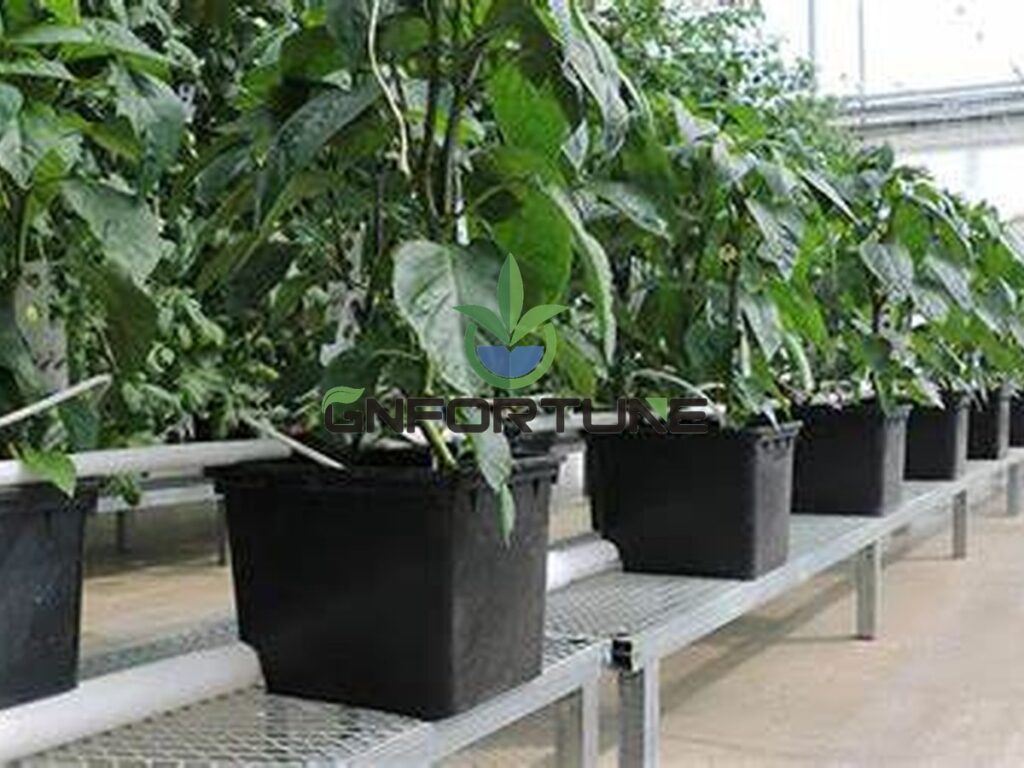
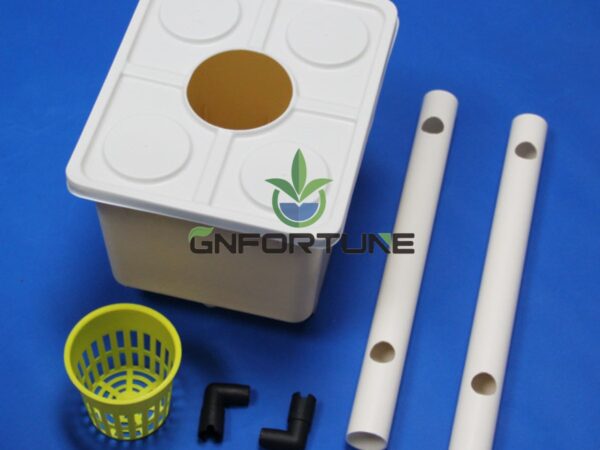
A container of channels is the wrong place to discover that a lid does not seat, that a bracket does not match the hanger spacing, or that the media behaves differently from the sample drum. A hydroponic sample order is cheap insurance against exactly those discoveries, and buyers who skip it tend to pay twice — once in express freight for a correction shipment and once in a commissioning delay no supplier invoice mentions.
This is written for procurement teams and project engineers preparing a first order with a new supplier, or a repeat order with a changed profile. A structured kit converts unknowns into measurements, and measurements are the only thing that carries weight when a container arrives and something is wrong.
Why a Sample Kit Comes Before the Container
Because the defects that matter on a bulk order are dimensional and assembly-related, and none of them are visible in a product photograph or a specification sheet. A photograph shows a channel in isolation; what fails on site is the interface.
Interfaces can only be tested with physical parts in your own hands, assembled the way your crew will assemble them, at your site temperature, with the fittings you actually stock. Everything else is a claim.
There is a commercial reason too. A supplier that answers the dimensional questions and packs a sample properly is showing the behaviour you will depend on later. One that treats a sample request as an irritant usually treats a deviation claim the same way.
What Belongs in a Hydroponic Sample Order
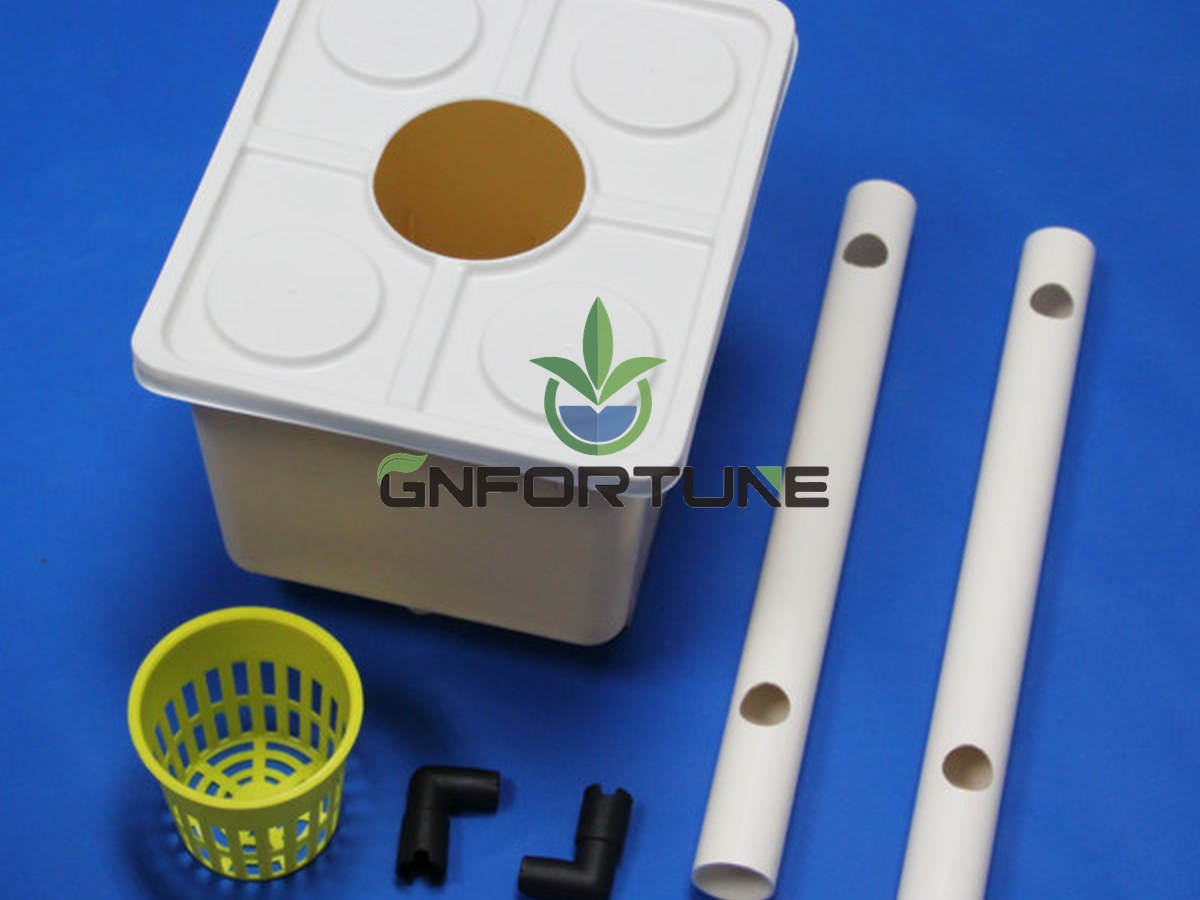
A useful kit is assembled around the interfaces you need to test, not around whatever the supplier has on the shelf. Requesting “a sample” produces one short offcut and settles nothing.
| Item | Why it is in the kit | Quantity |
|---|---|---|
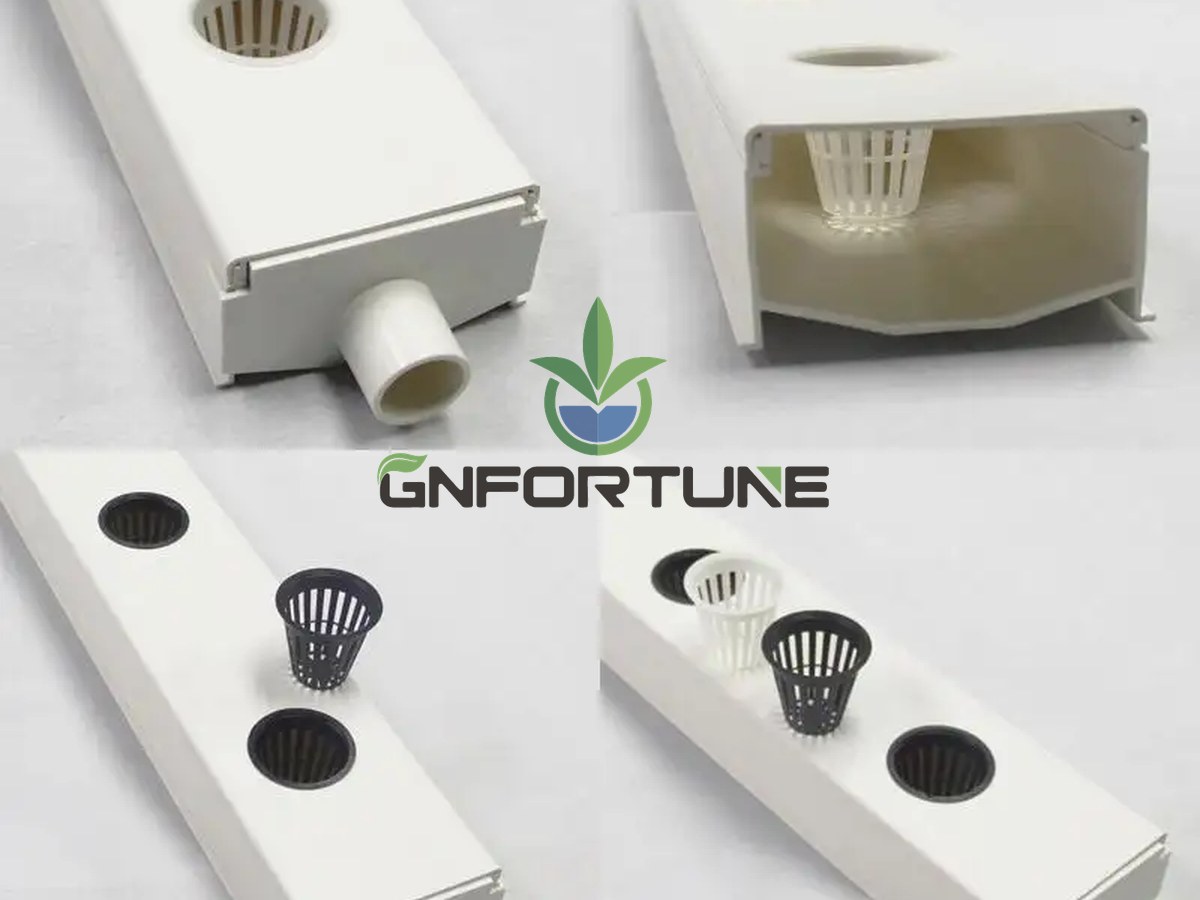
| Channel section, 300–600mm | Dimensions, wall thickness, cut-edge quality | 2–3 lengths |
| Lids for the same profile | Retention, removal, re-seating after cycles | 3–5 pieces |
| End caps and outlet fittings | Termination and plumbing compatibility | One set |
| Support bracket or hanger | Load path, contact area, adjustment range | 2–3 pieces |
| Container or media sample | Fit to the opening, drainage behaviour | One pack per option |
| Clips, gaskets, small consumables | Re-termination speed at turnaround | Small quantity |
Two additions are worth making explicitly. Ask for the sample to be cut from production stock rather than prepared for photography — the difference shows in the cut edge and the packing. And ask for it packed the way the bulk order will be packed, because a length that arrives with crushed corners in a sample carton arrives worse in a container.
What to Check on a Channel Sample
Five checks cover most of what goes wrong, and none of them need laboratory equipment. A calliper, a straightedge, a water supply and a camera with a scale in frame are enough.
- Measure at the points that matter. External width and height, wall thickness at the base and corners, and straightness on a flat surface.
- Fit and remove the lid repeatedly. Note the force needed, whether grip changes after cycles, and whether it stays seated under load.
- Load test at your real hanger spacing. Observe mid-span deflection over 24 hours; permanent set after unloading is the signal that matters.
- Read the surface and the cut ends. Chalking, colour inconsistency and a brittle cut edge are early indicators, not cosmetic quirks.
- Inspect the packing. Undersized cartons and unsupported ends predict the arrival condition of the container.
Photograph everything with a scale in frame. The measurements answer the questions you thought to ask; the photographs answer the ones you did not.
Sizing the Pilot Run: Length, Duration and Cost
A pilot run should be long enough to be installed by the crew that will install the container, and short enough that walking away from it is affordable. Usually that means filling one bay or one rack section rather than a token offcut.
For a single-site evaluation of a 100×50mm or 73×62mm channel, a planning band of 20–50 metres covers one full run plus cutting waste, and is enough to rehearse the hanging sequence, the fall setting and the plumbing connections once.
Duration matters more than length. A pilot that runs one crop cycle says nothing about cleaning losses or lid retention after repeated cycles, so plan for it to survive at least one full clean-out before the bulk order is released.
Cost belongs on the project budget rather than being requested as a favour — the samples, the express freight, and the crew hours spent installing and removing the trial.
Sample Fees, Freight and the Link to the Bulk Order
Expect to pay for samples and express freight, and agree in writing how that cost is treated if a bulk order follows. Clarity here prevents an awkward conversation at the point where the commercial relationship matters most.
- Sample charges vary by item. Small parts are often free; full channel lengths and assembled kits normally carry a charge.
- Ask about credit terms — whether the charge is credited against the first order, and what order value triggers it.
- Freight can exceed the sample. Ask whether a consolidated or sea-freight option exists if timing allows.
- Separate the lead times. A fast sample shipped from stock says little about how the factory schedules production.
Confirm too that the sample represents the production run rather than a prototype. That question is the informal version of what the article on first article approval and golden samples formalises at production scale.
Most of these checks overlap with a standard supplier factory audit checklist. The audit tells you whether a supplier can hold a tolerance; the sample tells you whether it is the tolerance you need.
Turning Trial Findings Into an Acceptance Standard
The value of a pilot is only realised when the findings become written acceptance criteria attached to the bulk order. Notes in an engineer’s notebook carry no standing when a container is being unpacked and something is disputed.
- Record every measurement with the tool used and the tolerance accepted, not just the value.
- Photograph each interface — lid seated, outlet fitted, bracket engaged — with a scale in frame.
- Retain one labelled reference sample with the date, the supplier and the order reference on it.
- Write the criteria into the purchase order: dimensions, tolerance band, packing specification, and what happens on a fail.
- Agree the sampling plan for the bulk arrival, so inspection effort matches shipment size rather than enthusiasm.
The retained sample is the step most often skipped, and it is the step that settles arguments. A production part held beside the approved reference resolves most disputes in minutes, and the rest are picked up by the procedures under inbound QC on arrival.
It is worth naming what a pilot cannot tell you. It will not predict how a profile behaves after five years of UV exposure, and it will not reveal tolerance drift that only appears across production runs.
FAQs About Hydroponic Sample Orders
How much does a hydroponic sample order usually cost?
The sample charge for a channel kit is often modest, while express freight on a long length can exceed it, so the freight route usually decides the total. Treat it as a project line and agree in advance what is credited against the first bulk order.
Should we test one supplier or several?
Several, if the volumes justify it. Comparing physical parts from two or three suppliers is the only way to compare lid feel, cut quality and packing. Keep the requested kit identical across suppliers so the comparison is fair.
How long should a pilot run be?
Long enough to fill one bay or rack section — a planning band of 20–50 metres for a single-site channel evaluation — and ideally long enough to survive one full clean-out cycle. A two-metre offcut tests nothing a photograph did not show.
Can a sample prove UV performance?
No. Accelerated testing needs equipment most buyers do not have, and a few weeks on a roof proves little. Rely on the material specification, the warranty terms and reference installations in a comparable climate.
What if the bulk order does not match the sample?
That is what the retained reference sample and the written acceptance criteria are for. Compare a production part against the reference, document the deviation with photographs, and agree the remedy before the container is unpacked further.
Related Reading
- First Article Approval: Golden Sample and Checks — The formal version of sample approval, applied at production scale rather than by courier
- Inbound QC: Checking Equipment on Arrival — What to inspect when the container lands, and how to size the sampling plan
- Factory QC for Hydroponic Equipment: What Gets Checked Before an Order Ships — The supplier-side checks a buyer is entitled to ask about before release
- Hydroponic Supplier Factory Audit: The Checklist Buyers Use Before Placing an Order — Whether a supplier can hold the tolerance you are about to specify
- How to Write an RFQ That Gets Comparable Quotes — Turning pilot findings into specification text that suppliers can price consistently
Next Step: What to Send for a Quotation
A hydroponic sample order is the cheapest place to find out whether a specification works, and the findings should feed straight back into the request for quotation rather than sitting in a folder.
Planning a sample kit or a pilot run? For RFQ or project consultation, send: greenhouse dimensions and available bay area; crop and target plant specification; channel profile, quantity in metres and hanger spacing; the interfaces you need to validate; target weekly or annual output; local climate range and raw water analysis; automation level requested; delivery schedule; and the budget band. G AND N FORTUNE LIMITED runs in-house extrusion and injection capacity across a 5,000㎡ factory.