

Hydroponic Equipment Lead Time: Inside a 55-Line Factory
Lead time is the promise buyers remember and the number suppliers fudge. “Two to three weeks” means nothing without knowing how many lines run the profile, what else the factory has booked, and whether your order lands in peak season. This guide explains hydroponic equipment lead time from the factory side — how capacity actually works, what moves a delivery date, and how to plan a project around it.
What Does Factory Capacity Actually Consist Of?
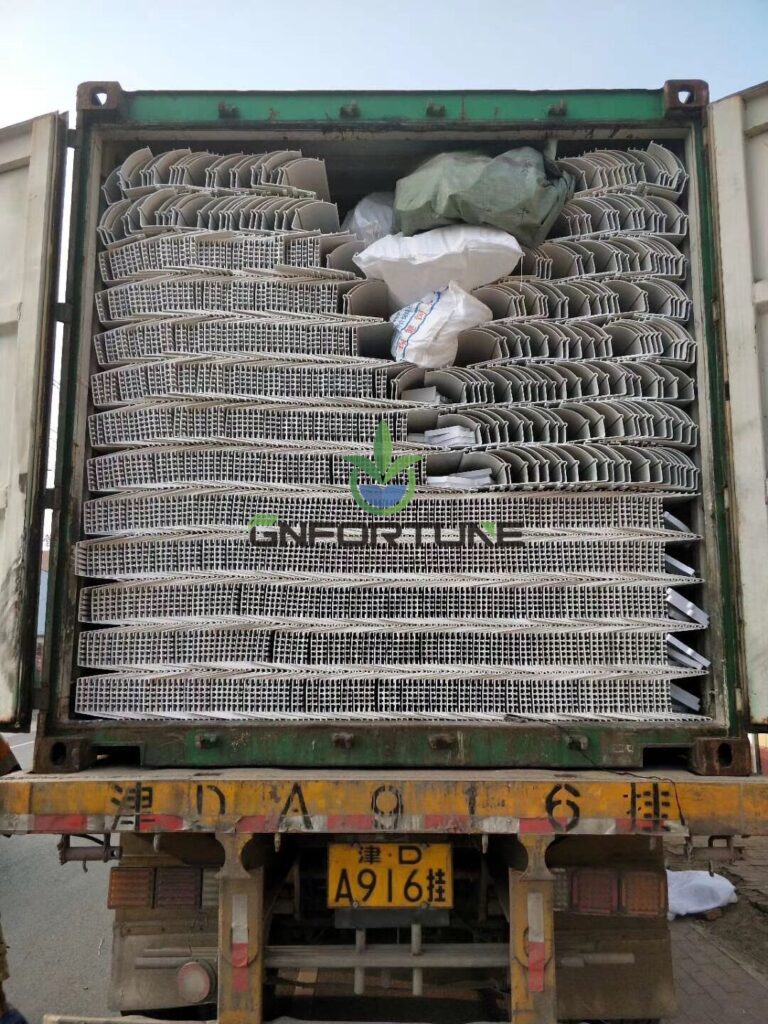
Capacity in this industry is a set of specific machines, not a square-metre figure. Our factory runs 55 automated assembly lines across extrusion and injection, on a 5,000 m² site with a workforce over a thousand, producing for customers in more than 70 countries. Each line is profile-specific: an extrusion line tooled for a 100×50mm channel makes only that profile until it is changed over, and changeover time is part of every quotation whether it is shown or not.
That is why two suppliers can both be “large” and quote the same product at different lead times. The relevant question is not how big the factory is but how many lines run your profile, and what their current bookings look like.
What Determines the Lead Time on Your Order?
| Factor | Effect on lead time | What you can do |
|---|---|---|
| Line availability for your profile | Standard stocked profiles queue fastest; niche profiles wait for changeover | Stay on standard profiles where possible |
| Season | Spring planting season stacks orders; lead times stretch at both ends | Book ahead; consider phasing delivery |
| Order size | Large orders consume line-days; may be split across lines | Agree the delivery split at order time |
| Customisation | Colour and logo are quick; geometry changes wait for tooling | Decide customisation before the first order |
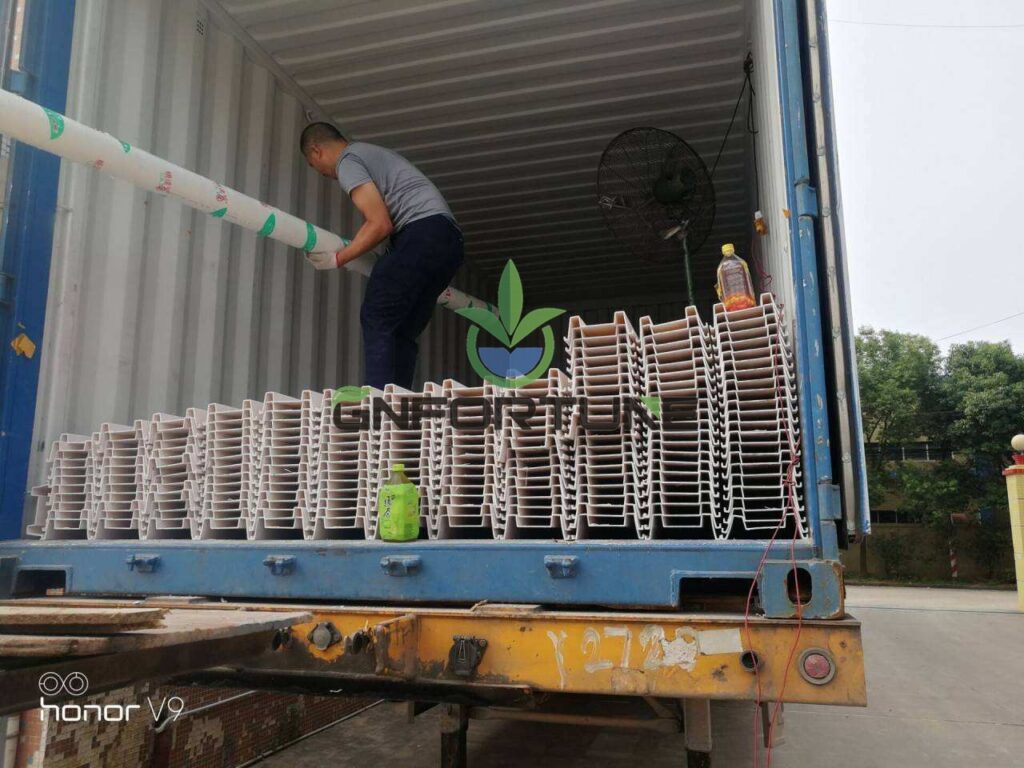
| Shipping schedule | Container booking adds days; port congestion adds more | Fix the shipping plan when the order is placed |
The seasonal effect deserves respect. Planting-season orders — spring above all — arrive faster than lines can absorb them, and both production and shipping lengthen. Buyers who quote a project in the quiet months and book capacity then pay the same price for a calmer delivery.
How Is a Production Slot Planned and Held?
- Specification frozen: profile, wall thickness, colour, branding and packaging confirmed in writing — changes after this point restart the clock.
- Slot booked against a line: the order enters the schedule for the line that runs your profile, with raw material reserved.
- Production with in-process checks: dimensional sampling runs while your metres are made, not after.
- Pre-shipment inspection and packing: counts, packing standard and documents verified before the container closes.
- Shipping booked to match: the container reservation is made against the production finish, so neither waits for the other.
The first step is where most lead-time disputes are born. A quotation that moves because the specification moved is not a delay — it is a new order. Freezing the specification early is the single most effective thing a buyer does for their own delivery date.
Why Do OEM Orders Affect the Schedule Differently?
OEM work — customer colours, buyer labels, private profiles — consumes capacity differently from stock production. Colour and logo changes run inside an existing line with modest changeover; custom geometry waits for tooling and runs only after samples are approved. None of this makes OEM slow; it makes OEM sensitive to late decisions.
The practical pattern that works: standard profile, custom colour and label, packaging to your market — the level of customisation that differentiates you at retail without touching the tooling calendar. Deeper customisation is available and real, but it belongs at the project’s start, not three weeks before you wanted to plant.
What Can a Factory Tour Tell You About Capacity?
More than any brochure. Lines running, changeovers happening, finished goods staged for loading, workforce at the machines — a factory floor shows you within an hour whether the capacity numbers are real. Buyers are welcome at our facility: production lines, the finished goods warehouse and the trial greenhouse sit on one site, and a visit covers all three in a morning.
If travel is not practical, a live video walk-through on the line that will run your order is a reasonable substitute, and established factories offer it without being asked twice.
FAQs About Hydroponic Equipment Lead Times
How long does a hydroponic system order take to deliver?
It depends on the profile, order size and season, so the honest answer is a date given against your specific order — not a general figure. Standard profiles in normal season move fastest; large orders and peak-season bookings take longer. Ask for the production slot in writing when you order, and treat that date, not a brochure number, as the plan.
Why do lead times stretch in spring?
Because planting seasons concentrate orders: many buyers plan installations to start with the growing season, so order volume spikes faster than lines can absorb, and freight capacity tightens at the same time. Booking capacity during the quiet months — or ordering ahead of the season for phased delivery — avoids most of the squeeze.
Can I reserve production capacity before my project is final?
Yes, in a defined way: a confirmed order with frozen specification books the slot. What cannot be reserved is a slot against an undecided design. The workable pattern is to freeze the standard elements early and hold customisation to what the timeline allows — or to phase delivery so the first phase books now and later phases follow the plan.
Does customisation always mean a long lead time?
No — it depends which kind. Colour and buyer-label changes run inside existing tooling with a modest changeover, and are common in OEM orders. Geometry changes need new tooling and sample approval, which adds weeks to months. Deciding which level of customisation you need before the first quotation keeps the delivery date predictable.
How is the delivery date protected once the order is placed?
By the sequence: frozen specification, reserved material, a booked line, in-process QC that catches problems while they are still cheap, and shipping booked against the production finish. Delays that survive that discipline are rare — and the ones that happen, weather and ports above all, are visible early enough to replan around.
What to Send When You Request a Quotation
Send the profile and total metres, your destination port, and the date you need goods on site. We will return a quotation with a production slot and shipping plan against that date — the real schedule, not an estimate: contact our team.
Related reading: plan the container in container loading and MOQ math, structure branding with OEM and private-label manufacturing, and check commercial terms in the MOQ, wholesale and shipping FAQ.