
Spent Growing Media: Disposal, Recycling and Rules
Spent growing media is the waste stream most hydroponic businesses cost last and pay for longest. A planting plan tells you how much substrate arrives; very few plans say where it goes when the cycle ends, and that omission shows up as a skipped bin collection, a stack of bags behind the packing shed, or a disposal invoice nobody budgeted. The three questions to answer before the first crop goes in are what “spent” means for each media, what your local rules allow, and what the tonnage costs to move.
What “Spent” Means for Each Media
Spent is not one condition. A substrate can fail structurally, chemically, biologically, or simply become uneconomic to handle, and each failure has a different end-of-life route.
| Media | Typical service life | How it fails | End-of-life route |
|---|---|---|---|
| Coco coir and coir blends | 2 to 4 crop cycles | Structure breaks down, dust fraction rises, salts accumulate | Composting, soil conditioner, green waste |
| Rockwool slabs and cubes | 1 to 2 cycles | Compression, root mat saturation, salt build-up | Landfill in most regions; limited recycling streams |
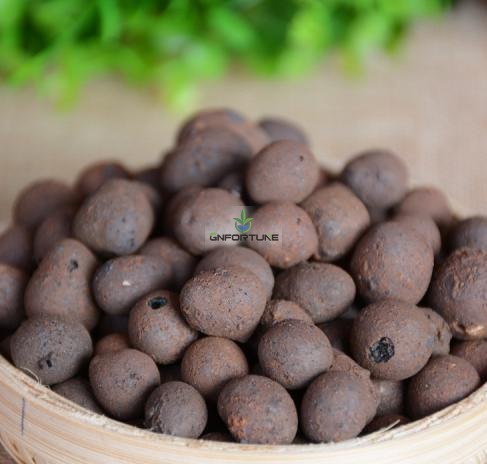
| Expanded clay pebbles | 5 to 10 years | Breakage, rounding, clogged pores | Wash and reuse repeatedly, then inert fill |
| Perlite and vermiculite | 2 to 5 years | Crushing to dust, float, loss of air space | Soil amendment where allowed, otherwise landfill |
| Plastic wrapping and slab sleeves | One cycle | UV and handling damage | Separate from media and recycle as film |
Two of those rows carry the real risk. Rockwool is the volume problem, because it does not compost and it does not compress. Clay pebbles are the opposite: a durable product that pays for itself over years provided it is genuinely washed between crops. The growing media guide covers the specification side of the same table.
Reuse Windows and Sterilising Limits
Reuse is worth doing on clay pebbles and, with discipline, on coco. It is rarely worth doing on rockwool in a commercial setting, and the reason is labour rather than biology.
- Steam or hot water: the usual route for pebbles and hard surfaces, held long enough to heat the whole mass rather than the outside. Temperature and hold time depend on the target organism; confirm them with your sanitiser supplier.
- Chemical sterilisation: peracetic acid, hydrogen peroxide or chlorine dioxide at label rates, followed by thorough rinsing. Effective on surfaces, less reliable inside a root mat that has not been removed.
- Root mat removal: the step that decides whether sterilising works. Old roots held inside a slab or a bag protect pathogens from contact.
- Salt management: flushing to a target EC matters more than disinfection for coco. Sodium and chloride accumulate and no amount of steaming removes them.
- Structure check: squeeze and drain test a sample before reuse. Media that has collapsed into fines will hold water and starve the root zone of oxygen.
Where a crop has gone down with a root pathogen, the conservative decision is replacement, not sterilisation. The cost of one failed cycle dwarfs the cost of new media, and a reused slab is the first thing an auditor will ask about after a recurrence. The reuse, flushing and replacement guide sets the decision points out in more detail.
Composting Coco: What It Needs
Coco composts, but not on its own and not quickly. It is a lignin-rich, high-carbon material with a carbon-to-nitrogen ratio commonly quoted in the 80:1 to 100:1 range, so an unamended heap of spent coir sits there.
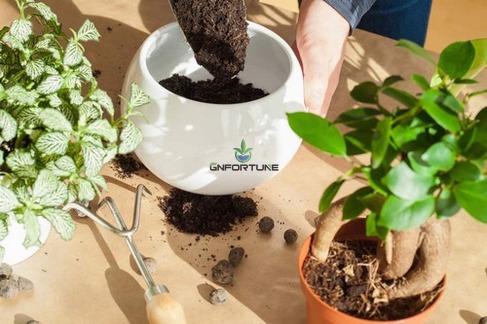
What it needs is nitrogen, moisture, particle size and turning. Blend with a nitrogen source such as manure, grass clippings or a nitrogen-rich crop residue; shred or break up slabs and bags so the material is not sitting in dense blocks; hold moisture in the range a wrung-out sponge suggests; and turn on a schedule so the heap does not go anaerobic. Windrow composting usually takes months rather than weeks to reach a stable product. The plastic sleeve has to come off first, and it is the single most common contaminant in a coir heap.
The product is a soil conditioner, not a fertiliser, and it has to meet whatever standard your local authority or off-taker applies before it can be described as compost rather than waste.
Rockwool: Why Landfill Fights Back
Rockwool is a durable mineral fibre, which is exactly what makes it useful in the root zone and awkward in a skip.
- Volume: it does not compact and it does not decompose, so a season of slabs takes the same space in year ten as it did on the day it was stripped out.
- Classification: many jurisdictions treat mineral wool as a non-inert or special waste stream, which narrows the sites that will accept it and lifts the gate fee.
- Recycling streams: a limited number of processors take clean, separated mineral wool for re-melting or as a feedstock in cement and brick manufacture. Availability is regional.
- Handling: cutting and bagging generates fibre dust, so PPE and containment are part of the cost.
- Practical option: where a recycler exists, agree the collection and the contamination standard before the crop ends, not after.
Farms that expect to grow on rockwool for years should ask the supplier what end-of-life options exist in the destination country before signing a multi-year supply agreement.
Local Rules: Green Waste vs Landfill vs Agricultural Use
Waste classification is local, and it decides both the cost and the paperwork.
| Route | What qualifies | What to confirm locally |
|---|---|---|
| Green waste or composting | Plant-based media, free of plastic | Whether salt and nutrient content disqualifies it |
| Agricultural land application | Composted or raw organic media | Spreading limits, setbacks, nutrient management rules |
| Landfill or inert fill | Mineral wool, spent perlite, mixed waste | Waste code, gate fee per tonne, accepted sites |
| Recycling | Sorted film, separated mineral wool | Contamination standard, who pays freight |
Spent media still holds nitrate and phosphate, so it is not neutral material from a water authority’s point of view. Storing it uncovered where rain can leach it is the fastest way to turn a disposal issue into a discharge issue. The nutrient discharge and runoff rules guide covers the compliance side, and the cleaning and sanitizing routine covers the strip-out stage that generates most of the volume.
Disposal Cost Per Cycle
Disposal belongs in the crop budget as a line per cycle, next to seed and substrate, because it is predictable once measured.
Build it from four numbers: wet weight per cubic metre of spent media, the number of cubic metres a cycle generates, the gate fee per tonne at the site that will actually accept it, and the haulage. Wet media weighs far more than the delivered dry product, which is the single most common estimating error. Where a farm already pays for waste collection, add the marginal tonnes rather than assuming the existing contract absorbs them. Gate fees move with fuel and landfill tax, so treat the number as an annual review item rather than a fixed constant.
Price the disposal before you choose the media, not after. A substrate that costs less per cubic metre delivered and more per tonne to remove is not the cheaper option, and the difference only appears at the end of the first cycle. Ask the supplier for wet weight at end of life and ask the waste contractor for the gate fee in writing; if either answer is vague, the real cost has not been found yet.
Frequently Asked Questions
Can rockwool be recycled?
A: In a limited number of regions, yes, mostly into cement or brick feedstock or by re-melting. Where no stream exists, landfill is the default and the gate fee should be in the budget.
How many times can coco be reused?
A: Commonly two to four cycles, depending on structure and salt accumulation. Flush to a target EC and check drainage before each replant.
Is spent growing media classed as green waste?
A: Plant-based media usually can be, once plastic is removed and salt content is acceptable. Mineral wool generally cannot. Confirm the code with your local authority.
Can clay pebbles be sterilised and reused?
A: Yes, and it is the reason they are economical. Wash out roots and fines, then steam or chemically sterilise and rinse before reuse.
Does spent media count as a nutrient discharge risk?
A: It can. Stored or stockpiled media still holds nitrate and phosphate, so keep it under cover and away from drains and watercourses.
Request a Media Plan
Spent growing media disposal is a planning problem that becomes a cost problem when it is deferred. Set the service life, the reuse window and the disposal route for each media before the crop plan is signed, and both the substrate bill and the waste bill stop being surprises.
Send crop, system type, media preference and the number of cycles per year, and the team will return a media plan with replacement volumes and the disposal routes those volumes imply. To request a media plan with replacement costs quoted, include whether a composting or green waste stream exists locally.