
Corrosion Protection for Greenhouse Steel Structures
Greenhouse steel corrosion almost never starts on the open face of a member. It starts where water sits: at a column base, inside a gutter lap, under a bolt head, along a weld that was never re-coated. A steel structure coating system is only as good as the surface under it and the detail around it, which is why repainting the wrong area buys one season and repainting the right one buys a decade. This article covers where to look first, what the galvanising classes mean in years, how to prepare a surface properly, and how to budget a repaint program by area.
Where Greenhouse Steel Corrosion Starts
Five locations account for most repairs on a commercial house, and all five hold water or damage the coating during assembly. Walk them in order before any specification is written.
| Location | Why it corrodes | First visible sign | Typical time to first repair |
|---|---|---|---|
| Column base at slab | Splash, standing water, soil contact | Rust staining on concrete, flaking 100 to 300 mm up | 5 to 12 years |
| Gutter lap and end cap | Constant wetting, debris, condensation | Perforation at the lap | 8 to 15 years |
| Bolted truss joint | Crevice, coating damaged at the holes | Rust bleed from under the bolt head | 10 to 20 years |
| Welded seam | Weld left uncoated or badly re-coated | Linear rust along the weld line | 8 to 18 years |
| Cut end or drilled hole | No zinc on exposed steel | Edge rust | 1 to 3 years |
The pattern matters because it sets the repair scope. Rust at a cut edge is a touch-up; rust at a gutter lap means the section, not the coating, is finished. Base failures are the expensive ones, since they are structural and stay hidden until movement shows.
Galvanising Classes and Expected Life Indoors
Two standards cover most greenhouse steel. Batch hot-dip galvanising to EN ISO 1461 puts 70 to 85 µm or more on structural sections, while continuously galvanised sheet to EN 10346 is bought by coating mass, with Z275 meaning 275 g per m² across both faces, roughly 20 µm per side. A purlin made from Z275 sheet carries far less zinc than a hot-dipped bracket.
Translate thickness into years with a loss rate. In a dry internal position, zinc loss runs roughly 0.5 to 2 µm per year, so Z275 sheet gives 15 to 30 years above the gutter and 5 to 12 years where it stays wet. A duplex system, paint over galvanising, extends the combined life by a factor of about 1.2 to 2.0 rather than by adding the two lives.
Surface Preparation Before Any Coating
Preparation decides coating life more than the product on the tin. Two standards define the work: ISO 8501 visual grades for cleaning, and an anchor profile measurement for the roughness the coating needs to grip.
- St 2 and St 3: hand and power tool cleaning to bright metal, adequate for local repair.
- Sa 2 and Sa 2.5: abrasive blast, with Sa 2.5 leaving only trace staining, needed for a full system on bare steel.
- Over galvanising: degrease, then abrade or sweep blast to break the smooth zinc surface; do not blast hard enough to strip the zinc.
- Soluble salts: rinse well, since chloride left on the surface drives blistering under the new film.
- Timing: coat within about 4 to 8 hours, before flash rusting starts in a humid house.
Buy preparation by the hour and the coating by the square meter, because the first number decides whether the second one was worth spending.
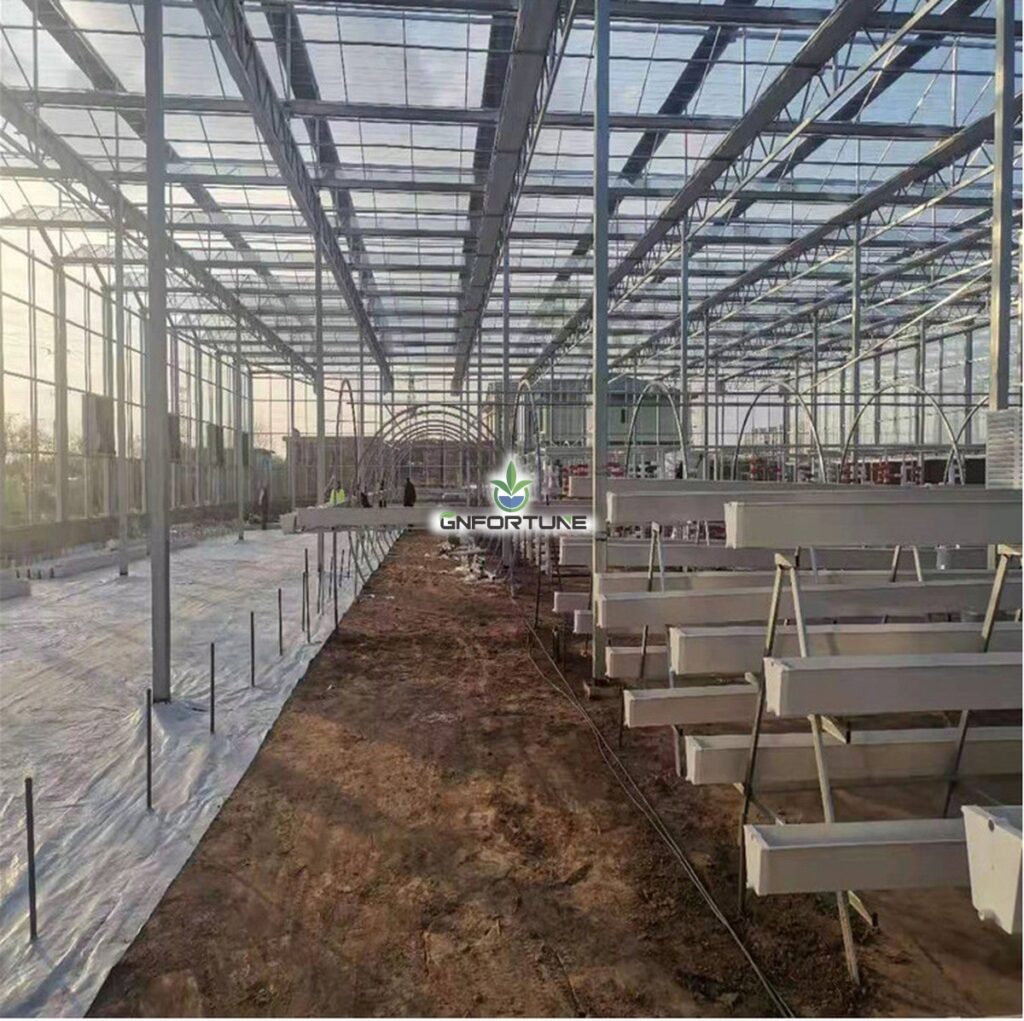
Repairs that fail early almost always failed at the preparation stage. A surface-tolerant epoxy brushed over hand-cleaned steel holds for a few seasons; the same coating over Sa 2.5 blast holds for a decade. The paint is the small part of the bill, so cutting preparation time is the most expensive saving available.
Steel Structure Coating System: Primer, Mid and Top
A repair system has three jobs: the primer protects the steel, the mid coat builds thickness and blocks water, and the top coat takes the UV and the cleaning chemicals. Skipping the mid coat is the usual shortcut, and it shows as early rust bleed at edges.
| System | Layers | Dry film thickness | Use on | Interval before maintenance |
|---|---|---|---|---|
| Zinc-rich epoxy, epoxy mid, polyurethane top | 3 | 240 to 320 µm | Blasted bare steel | 12 to 20 years |
| Epoxy primer, polyurethane top | 2 | 160 to 240 µm | Abraded galvanising | 8 to 15 years |
| Surface-tolerant epoxy, polyurethane top | 2 | 200 to 280 µm | Hand-prepped maintenance | 6 to 12 years |
| Zinc-rich primer, acrylic top | 2 | 120 to 180 µm | Cut edges and local repair | 5 to 10 years |
| Bituminous or wax coating | 1 | 200 to 400 µm | Buried or embedded bases | 5 to 10 years |
One compatibility rule catches most site errors: alkyd and red lead primers saponify on zinc and peel within a season, so anything over galvanising needs an etch primer or an epoxy confirmed for zinc. Fasteners and brackets in the same wet zone follow the galvanised against stainless selection by zone, since a repainted frame with pitted fixings is only half repaired.
Details That Trap Water and What to Change
Coating protects a surface; detailing decides whether that surface stays wet. These are the changes that cost little at design stage and a lot later.
- Hollow sections: seal the ends or drill a drain hole at the low point, since an unsealed tube fills from the inside.
- Gutter slope: hold at least 0.5 percent, about 5 mm per meter, and seal laps with a butyl tape rather than relying on a rivet alone.
- Column bases: set the steel on a plinth at least 100 mm above the slab and seal the joint, so slab wash never reaches the base plate.
- Horizontal faces: avoid bolted connections on upward faces; where unavoidable, seal under the head and cap the nut.
- Contact with ground and concrete: use an isolating gasket or bituminous coat between steel and concrete, and keep soil and gravel off the steel.
- Services: stand cable trays and ducting off the steel with a bracket, so water cannot sit in the contact line.
A Repaint Programme by Area and Year
Plan the program against measured area rather than a round budget. Take the wet-zone area from the drawing: gutters, the lower meter of every column, and horizontal members below the gutter. On a one hectare house that is typically a few hundred square meters of treated surface.
- Year 0 to 1: cold galvanising spray on cut edges and drilled holes at 60 to 80 µm, repeated every 2 to 5 years.
- Year 3: wash down, re-inspect the five locations above and touch up. Photograph the same points as at handover.
- Year 5 to 7: partial repaint of the gutter zone and column bases, hand or power tool prep with a two-coat system.
- Year 10 to 15: full repaint of the lower structure, blast where access allows.
- Budget shape: labor and access make up most of the cost, with access often a third, and coating material a minority. Blast-and-paint in place runs to a few tens of US dollars per m².
Where the structure is open anyway, greenhouse steel corrosion work should be sequenced with other work: the refurbishment sequence for an older greenhouse puts steel repair first, and the structural design loads tell which members cannot be cut back. Floor water is the other half of the base problem, covered in the floor drainage and hygiene zoning guide.
Frequently Asked Questions
Can paint be applied over galvanised steel?
A: Yes, after degreasing and abrading or sweep blasting, using an etch primer or an epoxy confirmed for zinc. Alkyd primers saponify on zinc and peel.
How long does a Z275 galvanised frame last?
A: Commonly 15 to 30 years in dry internal positions and 5 to 12 years where steel stays wet, such as gutters and column bases.
What preparation standard does maintenance painting need?
A: St 2 to St 3 by power tool for local repairs, and Sa 2.5 blast for a full system. Preparation quality drives coating life more than the paint brand.
Should a column base be painted or set in concrete?
A: Set it on a plinth at least 100 mm above the slab and seal the joint. Embedding steel in concrete is where base failures begin.
How often should greenhouse steel be inspected?
A: Twice a year with a checklist, photographing the same 10 to 15 points so change is visible rather than remembered.
Get a Repair Sequence and Coating Specification
Greenhouse steel corrosion is cheapest to stop at the detail stage and most expensive to stop once a base has moved. A steel structure coating system only pays for itself when the area is measured, the preparation standard is written down, and the wet-zone scope is separated from the dry structure. Send photographs of the worst areas, the drawing with the wet-zone extent marked, and the age of the house.
To Send photos of your worst steel areas and we will propose a repair sequence with coating specs., include the galvanising standard from the original frame order if it is still on file, since that sets whether repair or replacement is the right call.