

Every month we review quotes for vertical hydroponic systems where the buyer is comparing a backyard tower price against a commercial rack quote. They are different products, and the difference is not just size — it is duty rating, pump redundancy, and sanitation design. When a commercial vertical hydroponic system is specced with home-grade parts, the first crop usually survives; the second one pays for the mistake.
This page is written for procurement teams and project decision-makers. It covers what the quote should contain, which items you cannot cut, and how to judge whether a vertical system is even the right choice for your site.
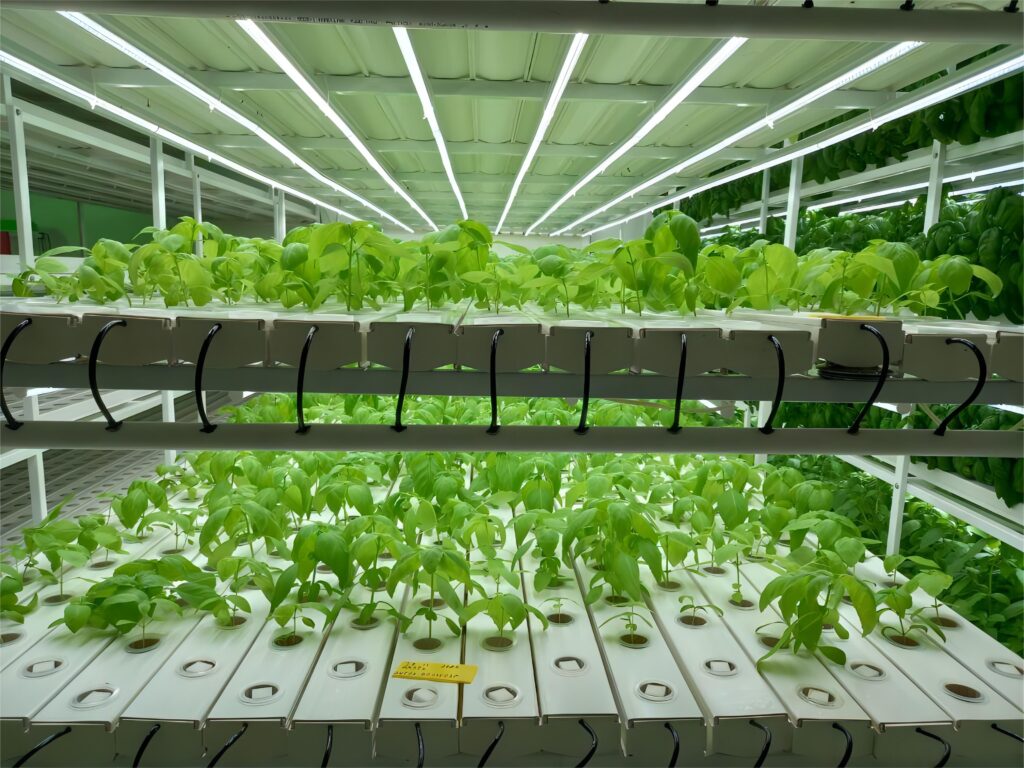
Commercial vs Home Towers: Five Differences That Matter on a Budget
| Item | Home tower | Commercial system |
|---|---|---|
| Frame material | Light PVC / ABS | Galvanized steel or reinforced PVC-U; load-rated for full canopy |
| Pump | Single small pump | Main pump + backup, or dual-zone pumps |
| Water distribution | Drip ring or spray | Balanced manifold with pressure compensation |
| Sanitation | Hand-wash components | Removable pipes, drain-down design, disinfection loops |
| Light design | One-sided exposure | Row spacing planned for even PPFD, or lighting racks |
Rule of thumb: if the quote cannot state the frame material, the pump redundancy plan, and the maximum wet weight per tower, the system has not been engineered for commercial duty.
Two Costs Buyers Underestimate
1. Floor loading and greenhouse structure
A tower with mature plants holds significant weight — a full 2-meter tower can carry 30–60 kg of wet media and plant material. Twenty towers in a row is over a ton. We check the greenhouse floor and support posts on every site assessment. If your greenhouse was built for soil growing, the span may not carry vertical loads at your planned density. Ask the supplier for max wet weight per tower and have your structural engineer confirm the floor before you sign.
2. Cleaning labor
Vertical systems grow fast because they concentrate plants — and they concentrate algae, root debris, and drip-line blockages the same way. Cleaning a tower bank takes 2–3 times the labor of the equivalent NFT footprint. On projects we have costed both, the vertical option usually pays for itself only where land cost is genuinely high or yield per m² is the binding constraint.
Density Math: What You Actually Get per Square Meter
Compare systems on plant sites per greenhouse square meter, not “towers per acre”:
| System | Typical density | Labor intensity | Best crop fit |
|---|---|---|---|
| NFT channels (flat) | 25–30 plants/m² | Low | Lettuce, leafy greens |
| Vertical towers | 40–70 plants/m² | High | Lettuce, basil, strawberries |
| Vertical racks / shelves | 50–80 plants/m² | High | Multi-layer leafy greens, microgreens |
Vertical density is real — typically 1.5–2.5× a flat NFT system. But the extra plants need extra light, extra water management, and extra hands. Run the density number against your labor cost before choosing vertical over flat.
What the Quote Should Itemize
- Tower or rack units with frame material and wet-weight rating
- Pump package: main + backup, or dual-zone; and what happens on power loss
- Distribution manifold with pressure compensation
- Return piping and tank sizing
- Sanitation components: drain-down valves, disinfection loop
- Installation, commissioning and training
- Spare parts: drippers, seals, replacement pipes
If the quote is a single line “vertical system — $X,” ask for the breakdown. The per-item split is where you compare suppliers honestly.
Vertical or NFT? A Decision Table for Buyers
| Your situation | Better choice |
|---|---|
| Land cost is high, greenhouse space limited | Vertical towers |
| Labor is scarce or expensive | NFT channels |
| You need quick per-m² yield for one crop | Vertical, if you can staff cleaning |
| First commercial system, limited experience | NFT channels — simpler to operate |
| Multi-story or indoor facility | Vertical racks with controlled lighting |
We are not against vertical systems — we build them. We are against buying them for the wrong reason. If the business case is “more plants per square meter,” check whether the labor and energy costs still leave a margin.
FAQ
Q: What is the maximum height of a commercial tower?
A: 2–3 meters is the practical range for manual harvesting. Above that you need platforms or conveyor access, which changes the cost structure completely.
Q: Can vertical systems grow strawberries?
A: Yes — strawberries are a common vertical crop. But they need strong light and careful water management; the strawberry gutter system is a dedicated alternative with its own economics. Compare both before deciding.
Q: What happens during a power outage?
A: The water drains to the tank by gravity in a properly designed system, and the backup pump takes over. If the quote has no backup pump and no drain-down design, that is a deal-breaker for commercial use.
Q: What is the minimum order for a commercial vertical system?
A: We quote from one greenhouse row upward. Send your floor plan and crop, and we will return a density plan with the quote.
Get a Vertical System Quote → · WhatsApp
Related reading: NFT Hydroponic Systems · Strawberry Gutter Systems · Turnkey Greenhouse Projects