
Sizing for Phase Two: Spare Capacity in Mains, Tanks and Power From Day One
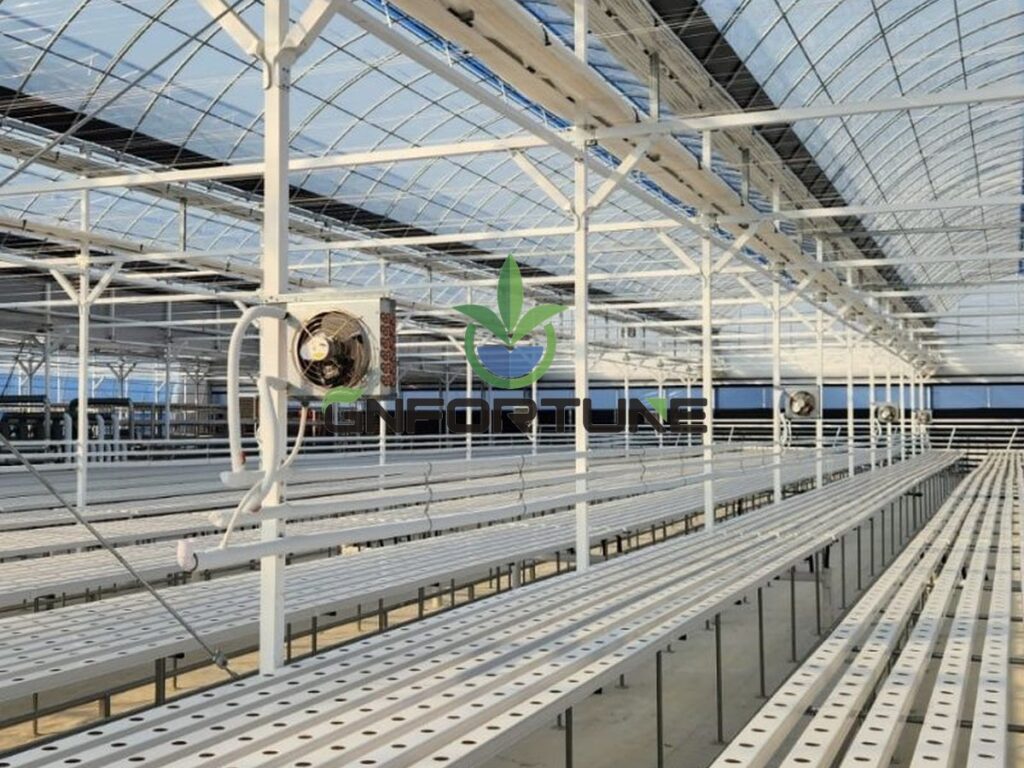
Where spare capacity earns its cost in phase one: oversizing mains and manifolds, tank farm headroom, electrical panel and supply margin, and the item-by-item split between what to reserve now and what to buy later.
Degraded-Mode Operation: Running the Farm Manually When the Controller Dies
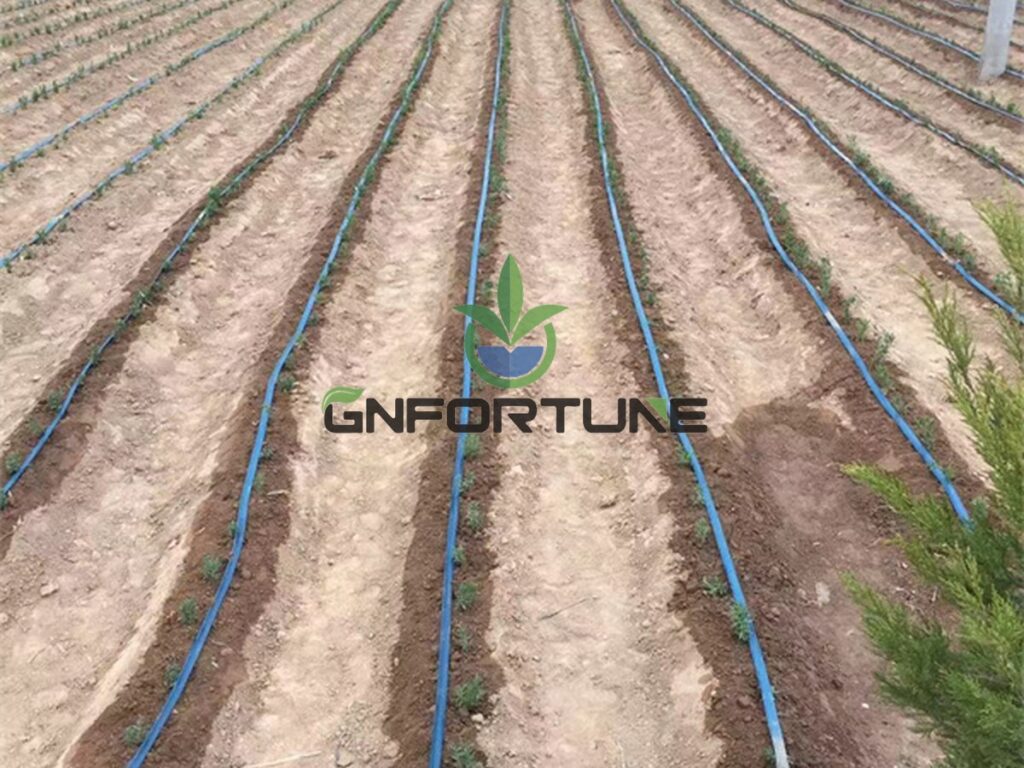
What a farm can and cannot do when the controller dies: the minimum manual hardware that keeps crops alive, the timed routine crews follow, the functions that degrade first, and how long degraded-mode operation can hold before parts arrive.
Pipe Velocity and Friction Losses: Sizing Mains Between Zones

How pipe velocity limits and friction losses decide main diameter between irrigation zones: erosion, noise and water hammer thresholds, head-loss planning ranges by pipe size, a four-step sizing procedure, and the field symptoms of an undersized main.
Stock Solution Saturation: Calcium Nitrate Solubility and Cold-Room Crystallisation
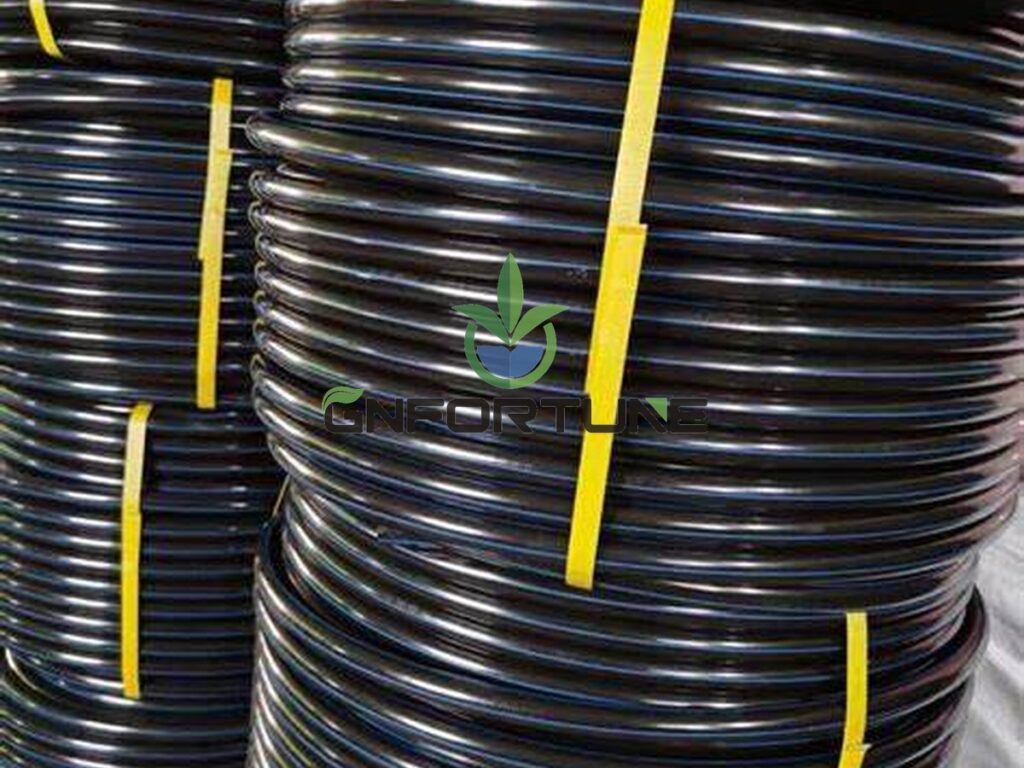
What calcium nitrate solubility does to A-tank stock solutions in cold weather: crystallisation in dosing lines, the recipe drift it causes, injector dilution ratios as the safety margin, and storage practices that keep the tank liquid.
Nutrient Temperature Without a Chiller: Insulation, Tank Colour and Placement

What insulation, tank placement, colour and volume can do for nutrient temperature before a chiller is bought: the four passive levers ranked, planning ranges for afternoon rise, and the climate point where passive control runs out.
Gravity-Fed Hydroponics: When Elevation Replaces a Pump

The engineering limits of gravity-fed hydroponics: converting elevation to pressure, designing a constant-head header tank, matching head to system type, NFT uniformity constraints, and the point where a pump returns.
Dual Water Sources: Switching Between Well and Municipal Supply
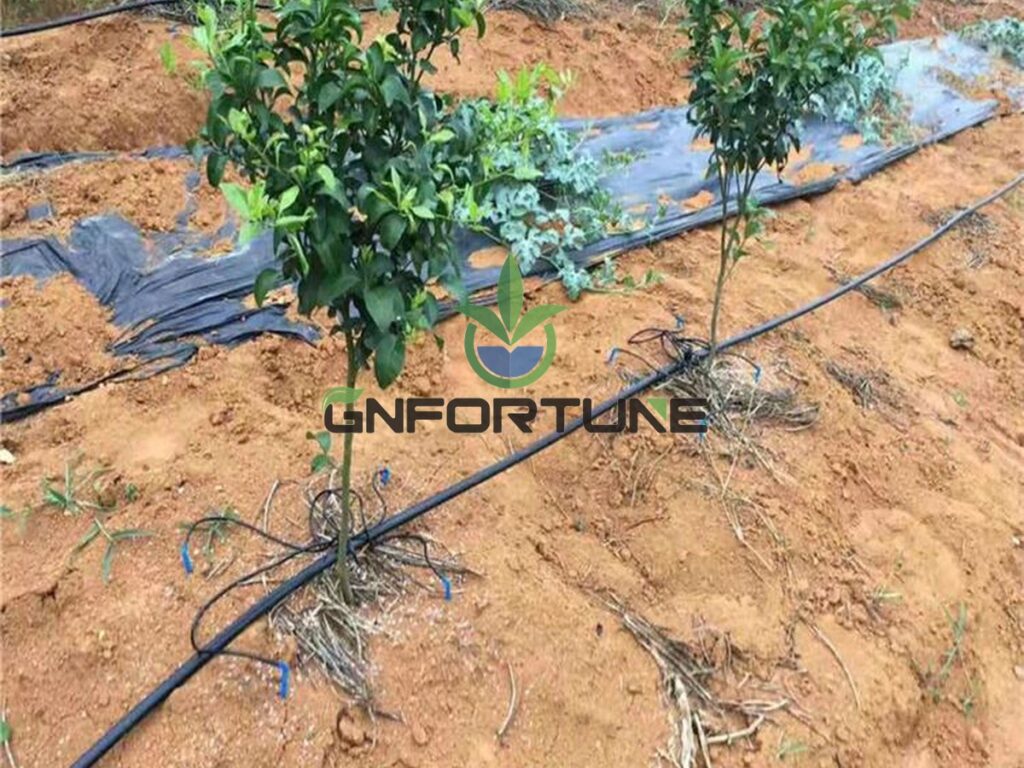
Changeover plumbing and backflow protection for farms running well and municipal supply, the chemical differences that move acid demand and recipe, and the sequence that resets EC and pH baselines after every switch.
Limescale in Lines and Emitters: Calcium Carbonate Deposits from Hard Water

Where calcium carbonate scale forms in hydroponic lines and emitters, the chemistry that pushes it out of solution, prevention routes from acid dosing to RO blending, and the acid-wash procedure that recovers a scaled run.
Sodium Build-Up in Recirculating Systems: Dump, Dilute or Blend
Where sodium enters a recirculating hydroponic system, why a stable EC reading hides it, and the dump, dilute or blend arithmetic — with worked examples, crop tolerance ranges and fertiliser choices that slow the inflow.
Chlorine and Chloramine in Municipal Water: Dechlorination Before the Nutrient Tank
A buyer’s view of chlorine and chloramine in municipal supply water: how the two disinfectants differ, which dechlorination route fits which farm, carbon contact time, and when reverse osmosis is more capacity than the problem needs.